Learning Center · Decorative
Decorative Concrete
Stamped, stained, colored, exposed aggregate, and polished — what each is and when it's right.
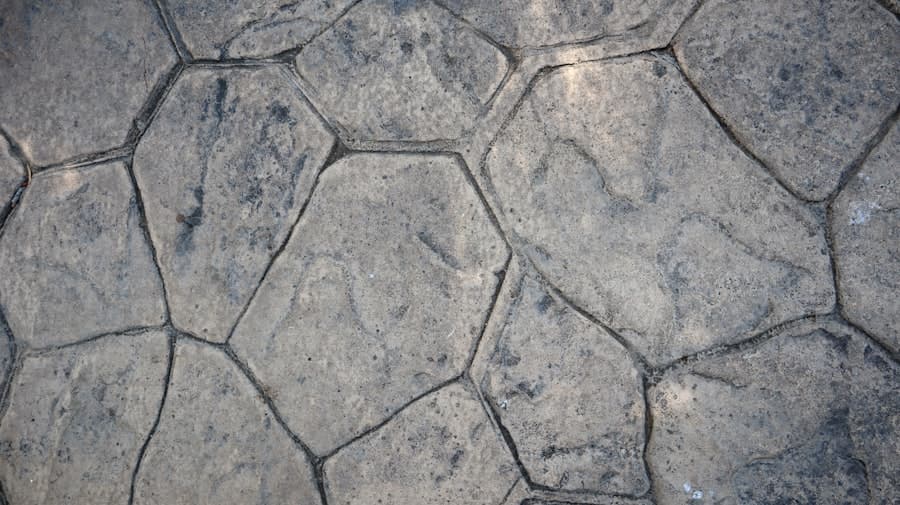
Decorative concrete is where the biggest quality gap in the trade shows up. The materials are widely available, the techniques look simple in a video, and the results are entirely down to timing, layout, and experience. Stamped concrete done well is indistinguishable from stone. Done badly it looks like stamped concrete from across the street.
These guides explain what each decorative process actually is at a technical level — what gets added to the mix, what happens on site, and what maintenance it commits you to — so you can judge whether a contractor knows what they're doing before they start.
Every decorative finish is a long-term relationship. The sealing schedule matters more than the pattern.
Every guide in Decorative
Most readWhat is stamped concrete?
How stone-look concrete is actually made, step by step — and the timing decisions that separate convincing work from obvious work.
Read the guide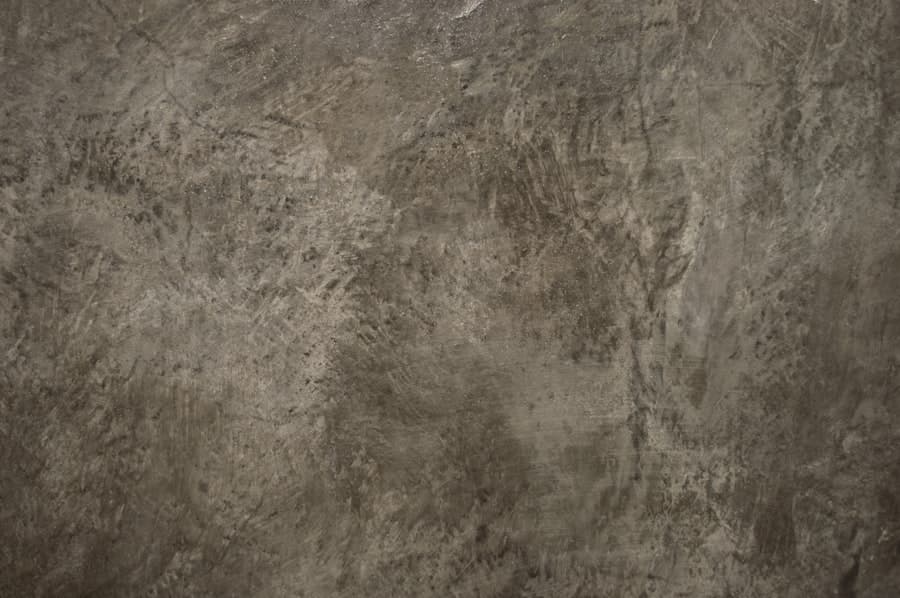
Stamped vs. stained
One changes texture, the other changes color. Where each belongs, what each costs, and when to use both together.
Read the guide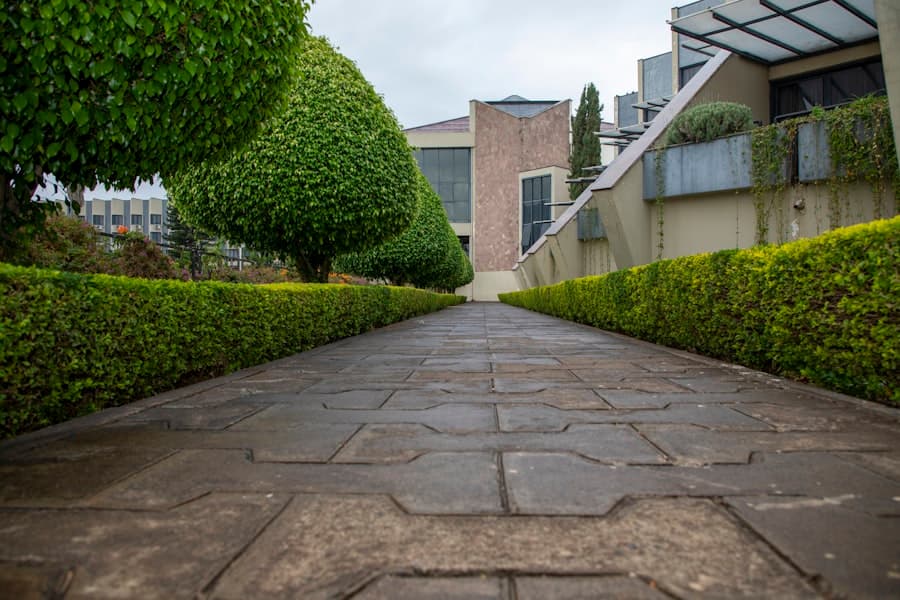
Maintaining stamped concrete
The resealing cycle that keeps color and pattern sharp, how to clean it without damage, and what to do when it looks tired.
Read the guide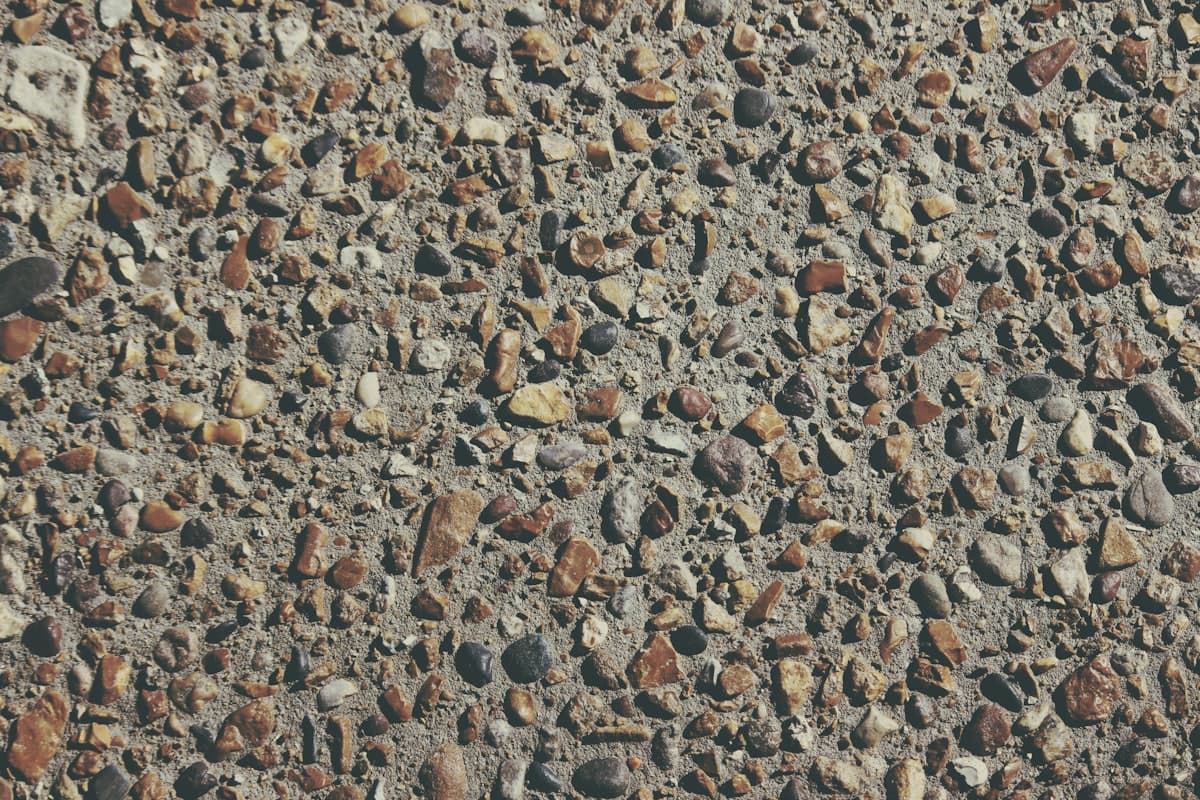
What is exposed aggregate?
How the stone gets to the surface, why it grips so well, and where it beats every other finish.
Read the guide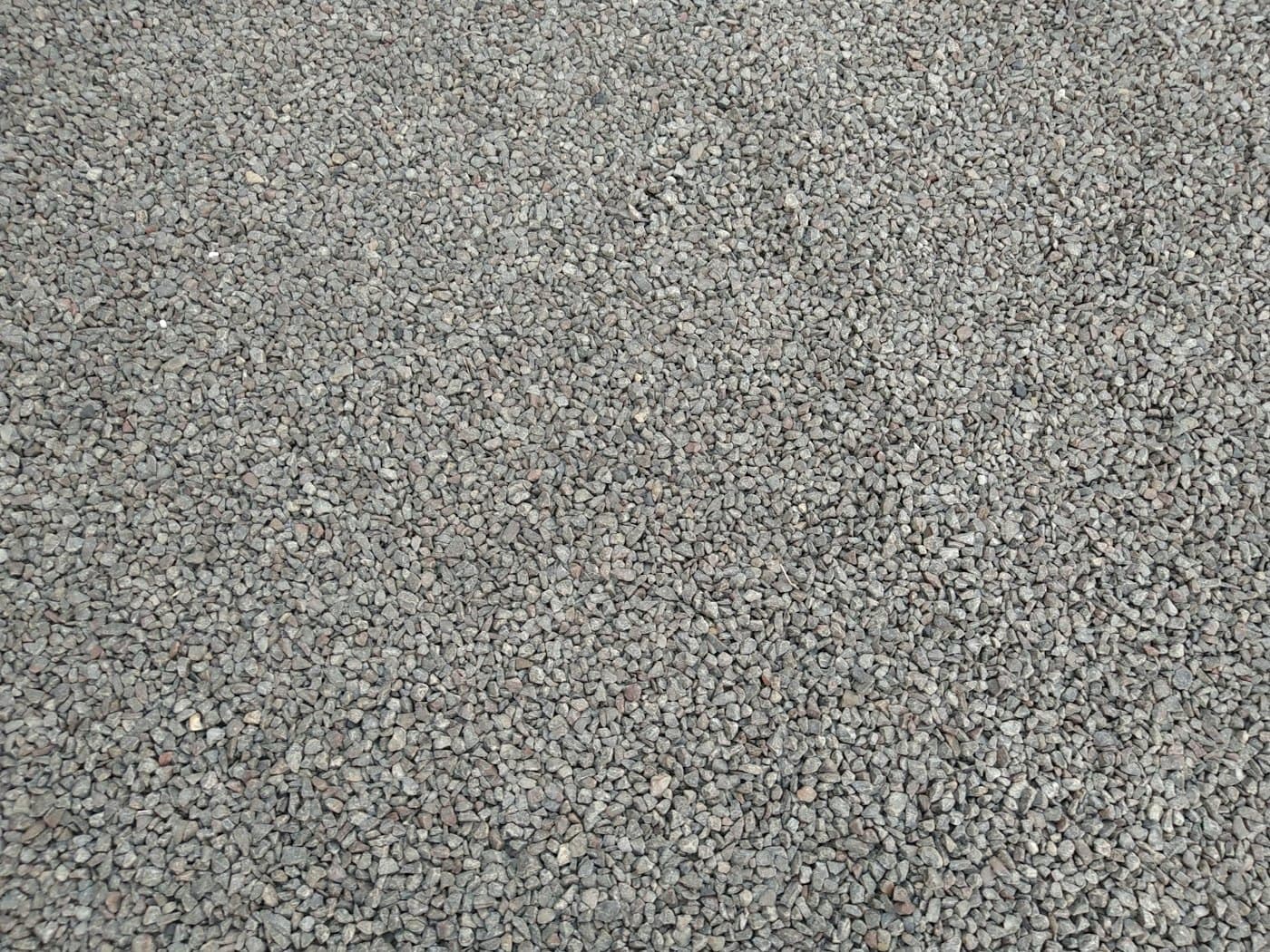
How concrete is colored
Acid stain, water-based stain, dye, color hardener, and integral pigment — what each does, and which belongs on your slab.
Read the guide
Garage floor epoxy vs. polished
The two most searched garage floor finishes are genuinely different products. Which one lasts, what each costs, and when each is the wrong choice.
Read the guideStamped concrete cost
Installed stamped concrete prices by project, what pushes the number up or down, and the long-term cost of keeping it looking new.
Read the guidePolished concrete cost
Polished concrete prices by gloss level and slab condition, how it compares with epoxy and other flooring, and what drives the cost.
Read the guideDye vs stain vs integral color
How dyes, acid stains, water-based stains, and integral color each put color into concrete — and which one belongs on your floor, patio, or driveway.
Read the guide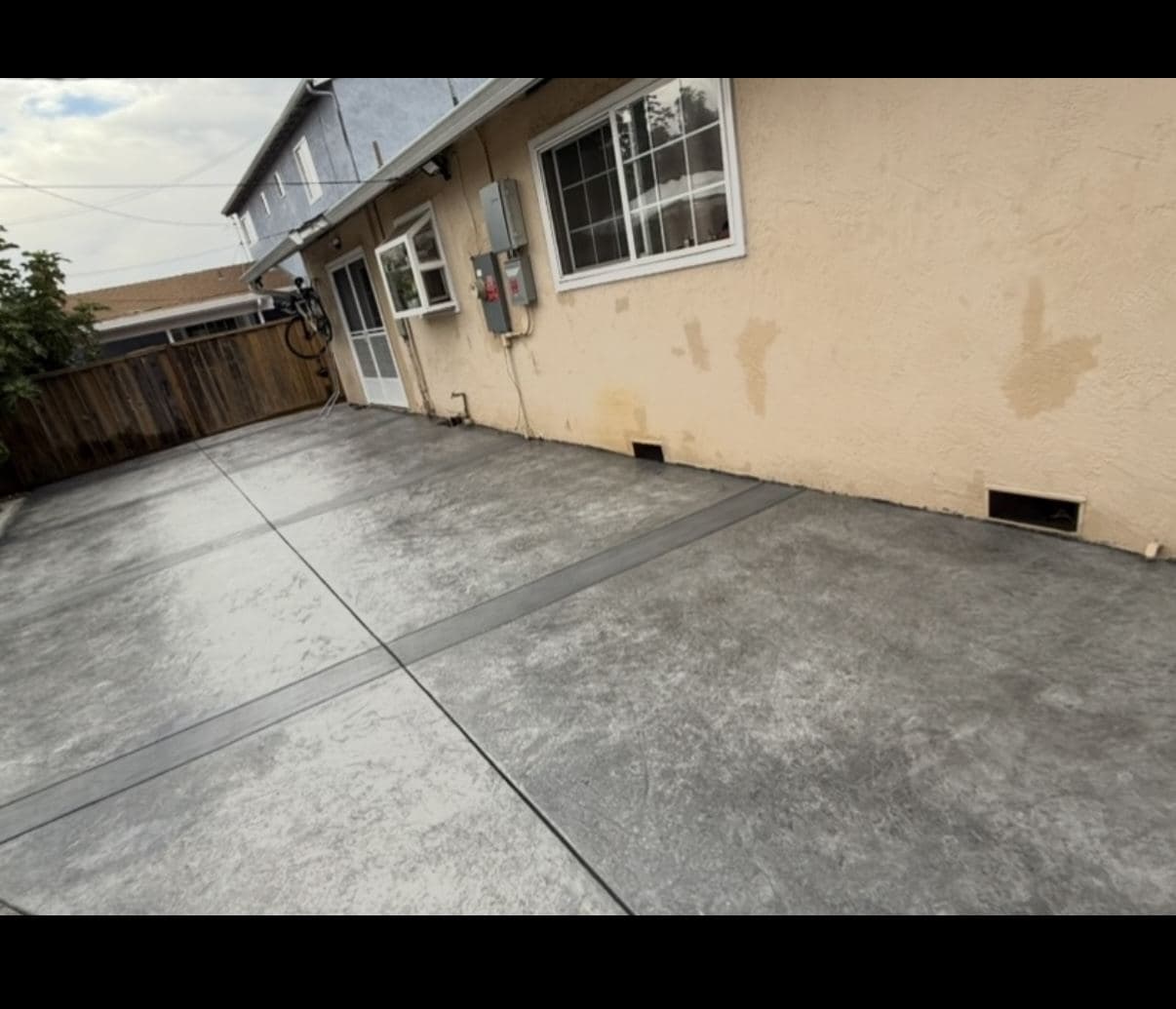
Broom vs trowel finish
What broom and trowel finishes are, why one belongs outdoors and the other indoors, and the other finishes worth considering.
Read the guideDecorative Concrete: Stamped, Stained, Exposed, and Polished
Decorative concrete changes how concrete looks without giving up its strength. Stamping presses stone, brick, or wood patterns into fresh concrete. Staining and dyeing add color to new or existing concrete — acid stain for permanent, mottled earth tones; water-based stain for a wider range; dye for vivid interior color. Integral color is mixed through the whole slab. Exposed aggregate washes away the surface paste to reveal natural stone, and polishing grinds an existing slab to a smooth, reflective floor.
Each has trade-offs. Stamped concrete ($16–$28 per square foot) gives the most dramatic look but must be resealed every two to three years. Exposed aggregate ($13–$22) has the best wet traction and hides stains. Staining existing concrete ($4–$10) is the most affordable transformation. Polished concrete ($5–$12) uses the slab you already have and lasts decades without a coating to peel.
The guides in this section explain how each method works, what it costs, how long it lasts, and how to maintain it — so you can choose the finish that suits the space, the climate, and how much upkeep you want.
Decorative Concrete: Common Questions
More guides beyond Decorative Concrete
All topicsPlanning decorative?
Free written estimates across San Jose & the greater Bay Area — with the specification stated, not just a price.