Learning Center · Driveways
Driveway Guides
Planning, thickness, cost, materials, and maintenance for the largest slab on most properties.
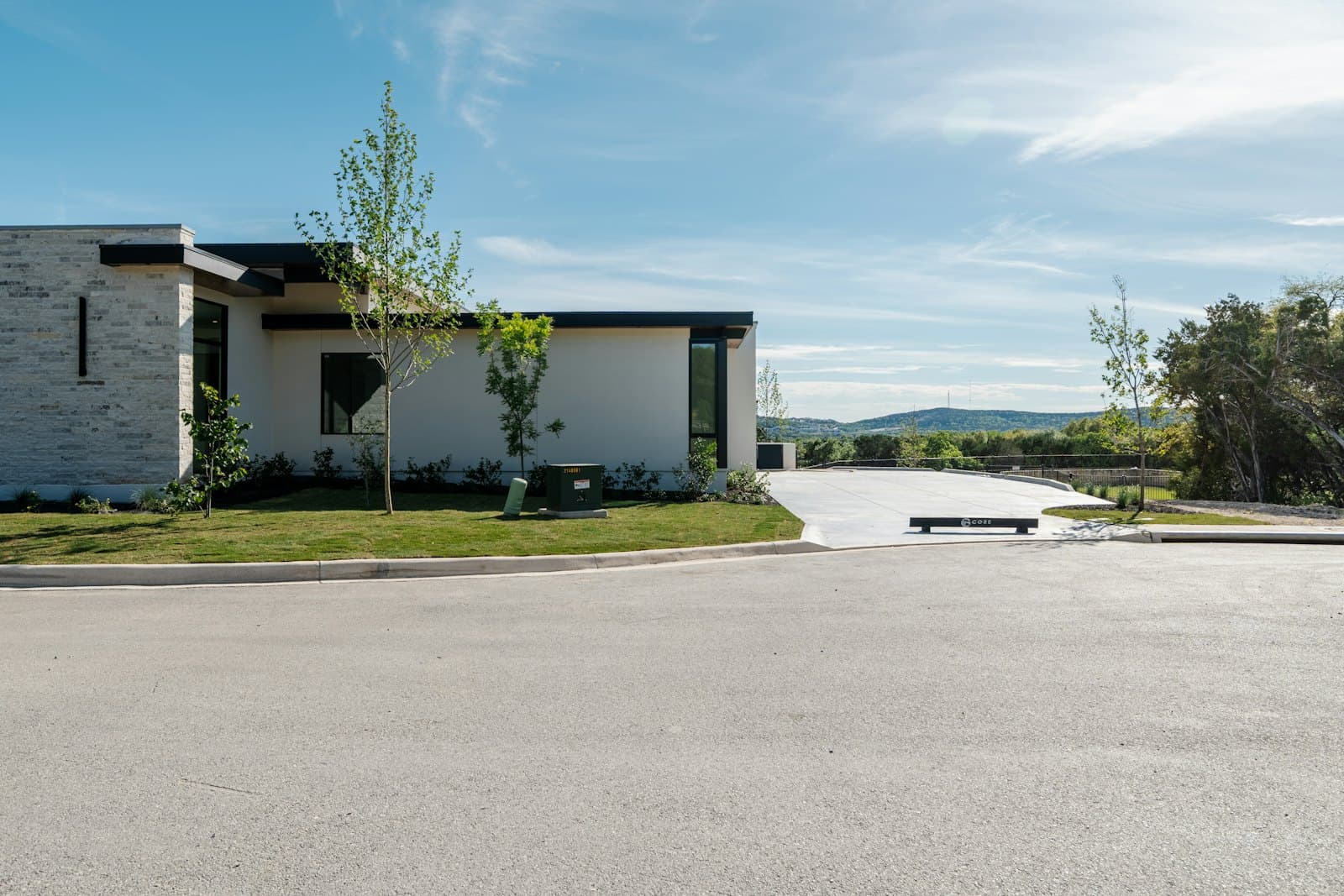
A driveway is usually the biggest single piece of concrete a homeowner ever buys, the most visible, and the one under the most load. It's also the one most often built wrong — because the difference between a driveway that lasts thirty years and one that fails in six is entirely below the surface, where nobody looks.
These guides cover the decisions that actually matter: how thick the slab needs to be for what you park on it, where the water goes, what the realistic cost range is in the Bay Area, and how concrete compares to the alternatives once you count thirty years of maintenance rather than the install price.
If you're getting quotes right now, start with the thickness and cost guides. They'll tell you what to look for in a written scope.
Every guide in Driveways
Most readHow long does a driveway last?
The honest lifespan range, the five variables that decide where you land in it, and how to tell which one your driveway got.
Read the guide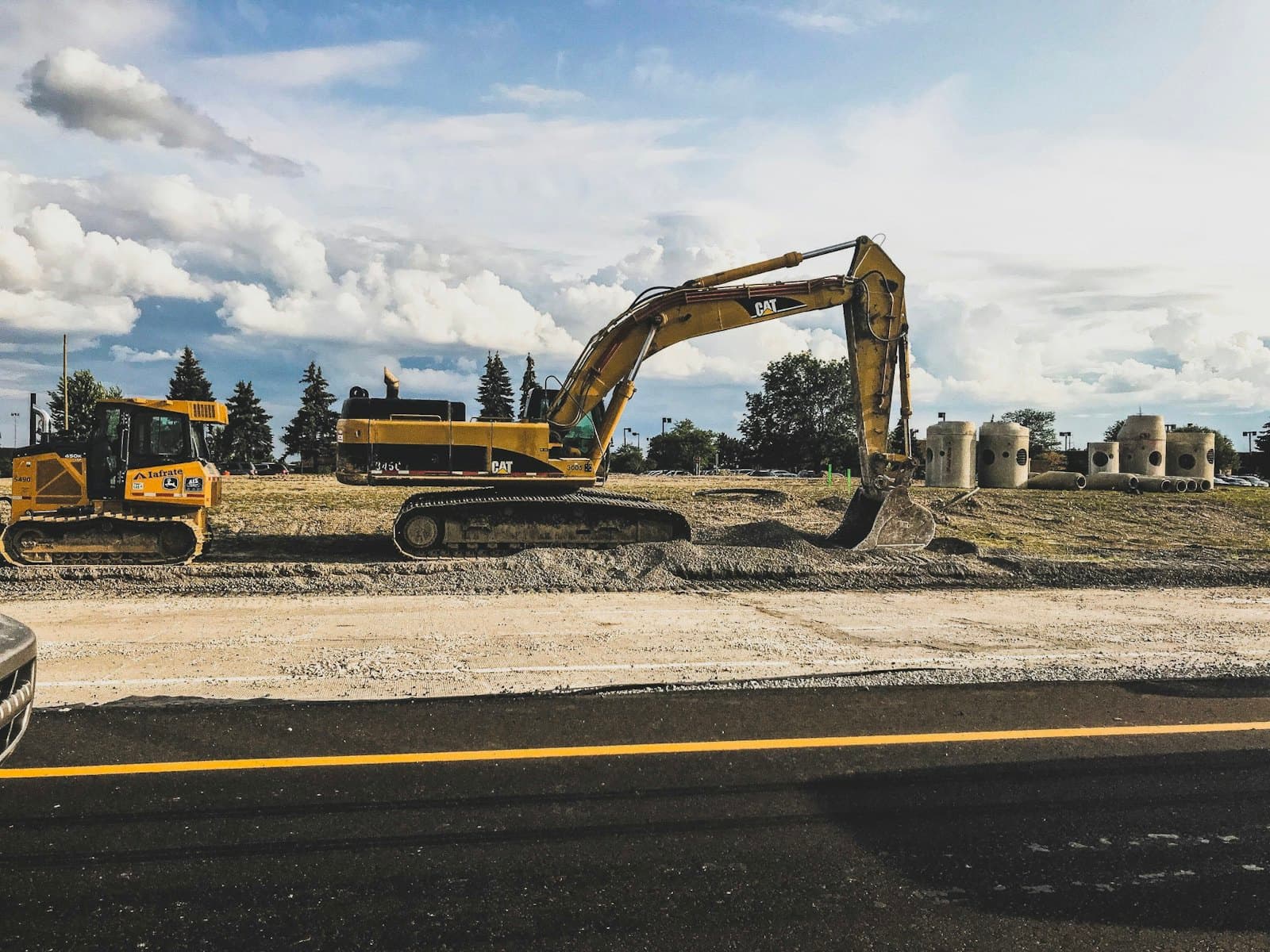 Most read
How thick should a driveway be?
Four inches, five, or six — how to match slab thickness to what you actually park, and why the base depth matters just as much.
Read the guide Most read
How much does a driveway cost?
Realistic Bay Area square-foot ranges, what drives a quote up or down, and how to tell an underpriced bid from a good one.
Read the guide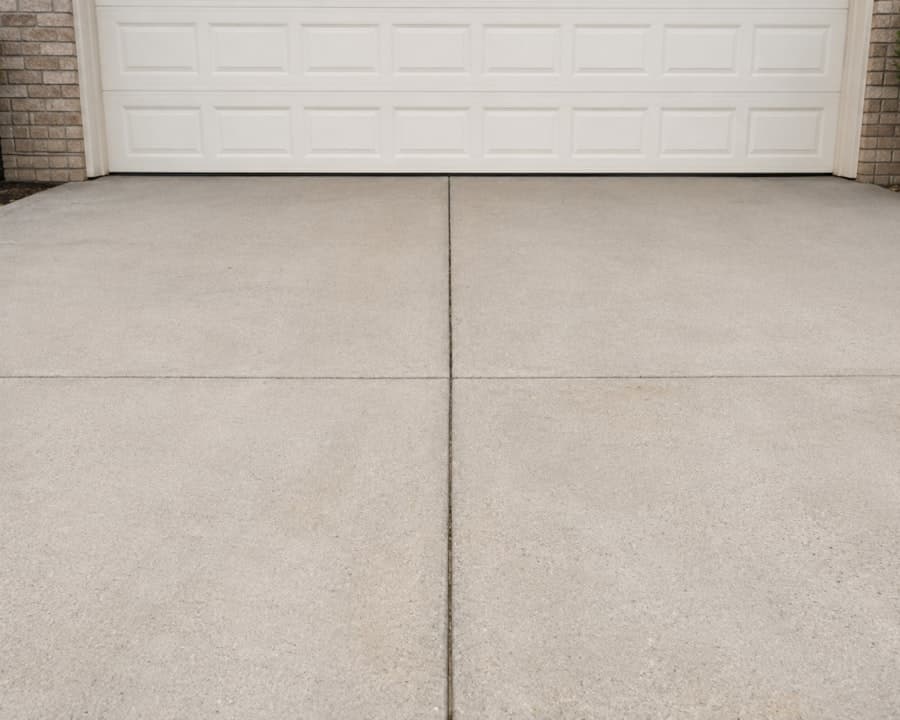
Concrete vs. asphalt
An honest comparison on cost, lifespan, maintenance, appearance, and climate — including the cases where asphalt genuinely wins.
Read the guide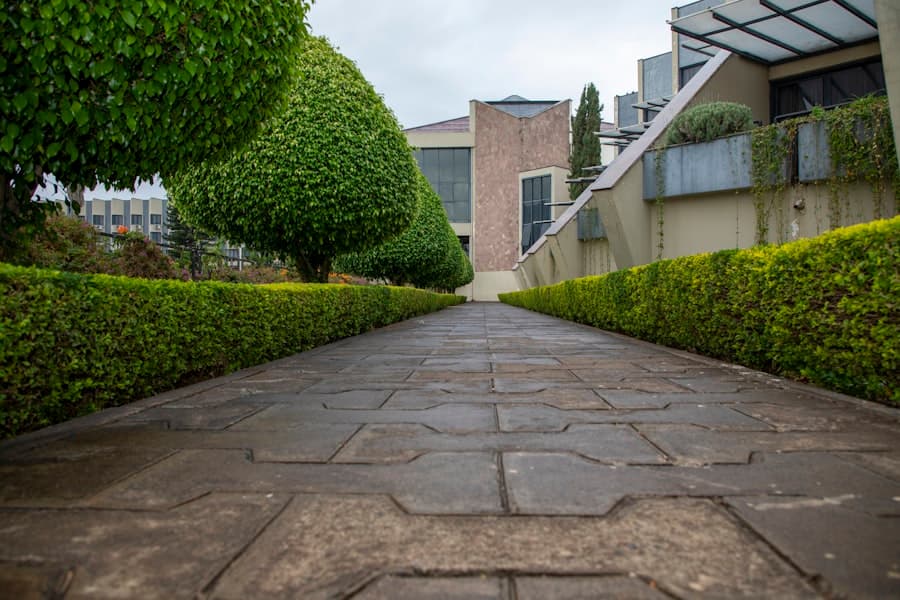
Best finish for driveways
Broom, exposed aggregate, stamped, or smooth — how traction, slope, sun, and maintenance appetite decide the right one.
Read the guide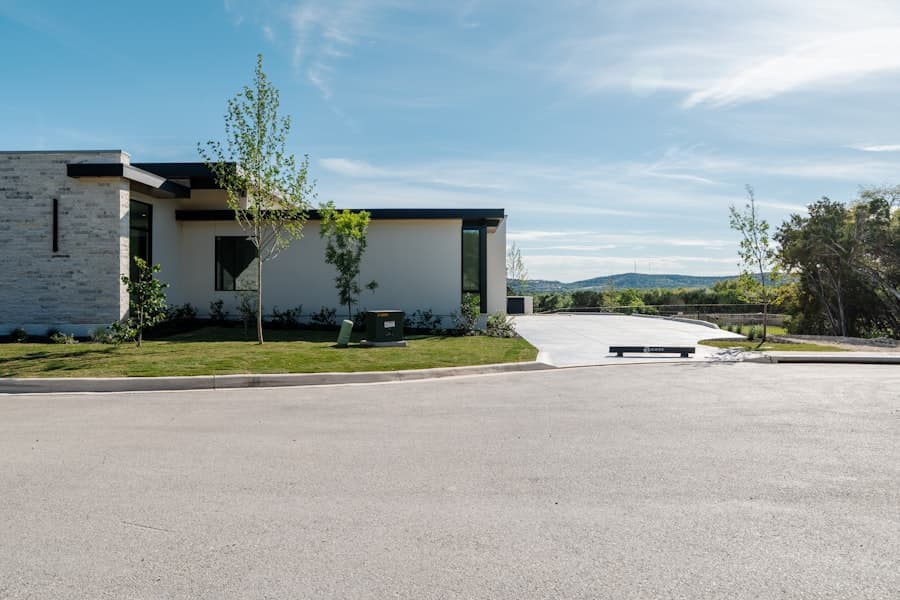
Driveway maintenance
The seasonal routine that actually matters, what to avoid, and the maintenance myths that cost people money.
Read the guideMost readHow to cover old concrete
Five real options for transforming a tired, cracked, or stained driveway — without necessarily tearing it out. What each costs, when each works, and which ones contractors don't recommend but keep quiet about.
Read the guideRemoving oil stains
Step-by-step methods for fresh and old oil stains, what to avoid, and how to stop stains soaking in next time.
Read the guide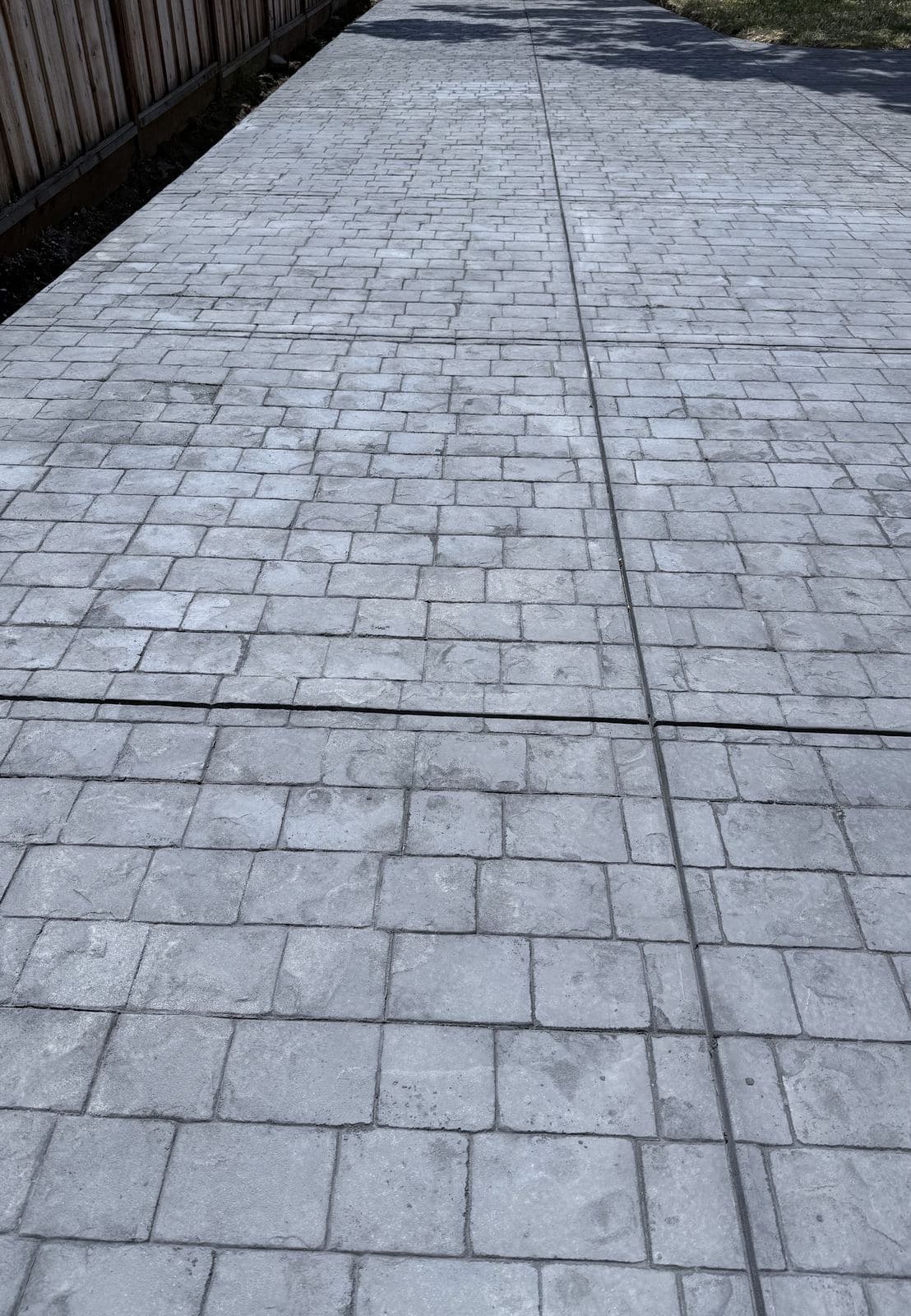
Pavers vs concrete
A straight comparison of interlocking pavers and poured concrete for driveways — what each costs, how long it lasts, and when each one is the better call.
Read the guide
Driving on new concrete
When you can walk, park, and drive heavy vehicles on new concrete — and how weather, thickness, and the mix change the timeline.
Read the guideDriveway base depth
The layers under a concrete driveway, how deep each one should be, and why base preparation decides how long the driveway lasts.
Read the guideConcrete Driveways: Cost, Lifespan, and Getting It Built Right
A concrete driveway is the hardest-working surface on most properties. It carries vehicles daily, takes turning and braking loads at the apron, sheds water away from the garage, and sits in the sun and rain for decades. Built properly — a compacted aggregate base, a five-inch reinforced slab (six inches for RVs and trucks), correct drainage, and well-placed joints — it lasts 30–50 years. Built poorly, it can fail in 8–15.
In the Bay Area, a broom-finished concrete driveway typically costs $12–$18 per square foot installed, exposed aggregate $15–$22, and stamped and colored concrete $18–$28. A typical two-car driveway of about 600 square feet runs roughly $7,000–$11,000 plain or $11,000–$17,000 stamped. Asphalt costs about half as much to install but lasts 15–20 years; pavers cost more but can be relaid in sections.
These guides cover every decision a driveway owner faces: how thick it should be, how deep the base needs to be, what it costs, how it compares with asphalt and pavers, which finish to choose, how long before you can drive on it, how to maintain it, how to remove oil stains, and how to cover an old driveway without replacing it.
Driveway Guides: Common Questions
More guides beyond Driveway Guides
All topicsPlanning driveways?
Free written estimates across San Jose & the greater Bay Area — with the specification stated, not just a price.