
Decorative Finish
Exposed Aggregate Concrete for Driveways, Patios & Walkways
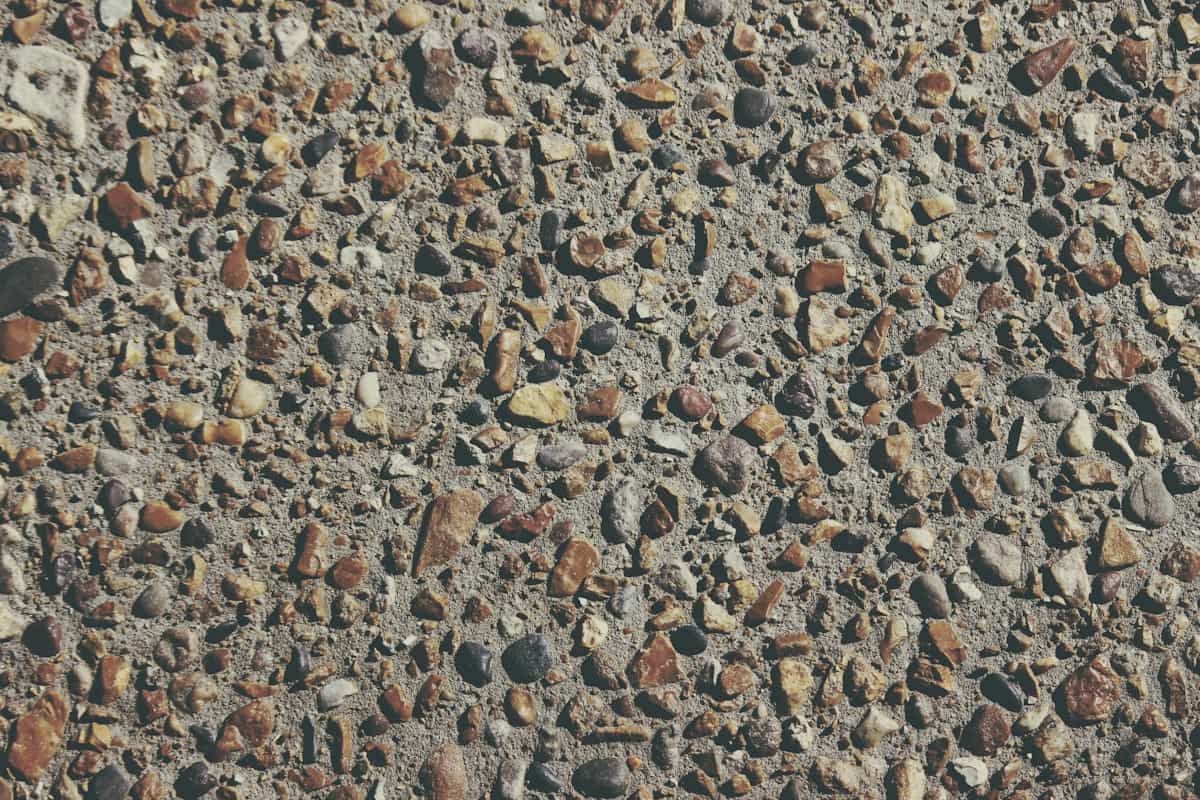
Exposed aggregate shows the natural stone in the mix — textured, slip-resistant, and more durable than a painted or stamped surface.
- Methods
- Wash-expose · seeded surface
- Common applications
- Driveways, patios, pool decks
- Maintenance
- Reseal every 3–5 years
- Estimates
- Free & written
Exposed Aggregate Concrete — At a Glance
Exposed aggregate shows the natural stone in the mix — textured, slip-resistant, and more durable than a painted or stamped surface. Dueling Trowels Concrete Solutions provides exposed aggregate concrete services across 55 cities in Santa Clara, Alameda, San Mateo, and Santa Cruz counties, including San Jose, Oakland, Fremont, and Sunnyvale. Licensed, insured, and backed by a written workmanship warranty. Free written estimates.
Natural Texture, Built In
The Aggregate Was Always There — We Just Let You See It
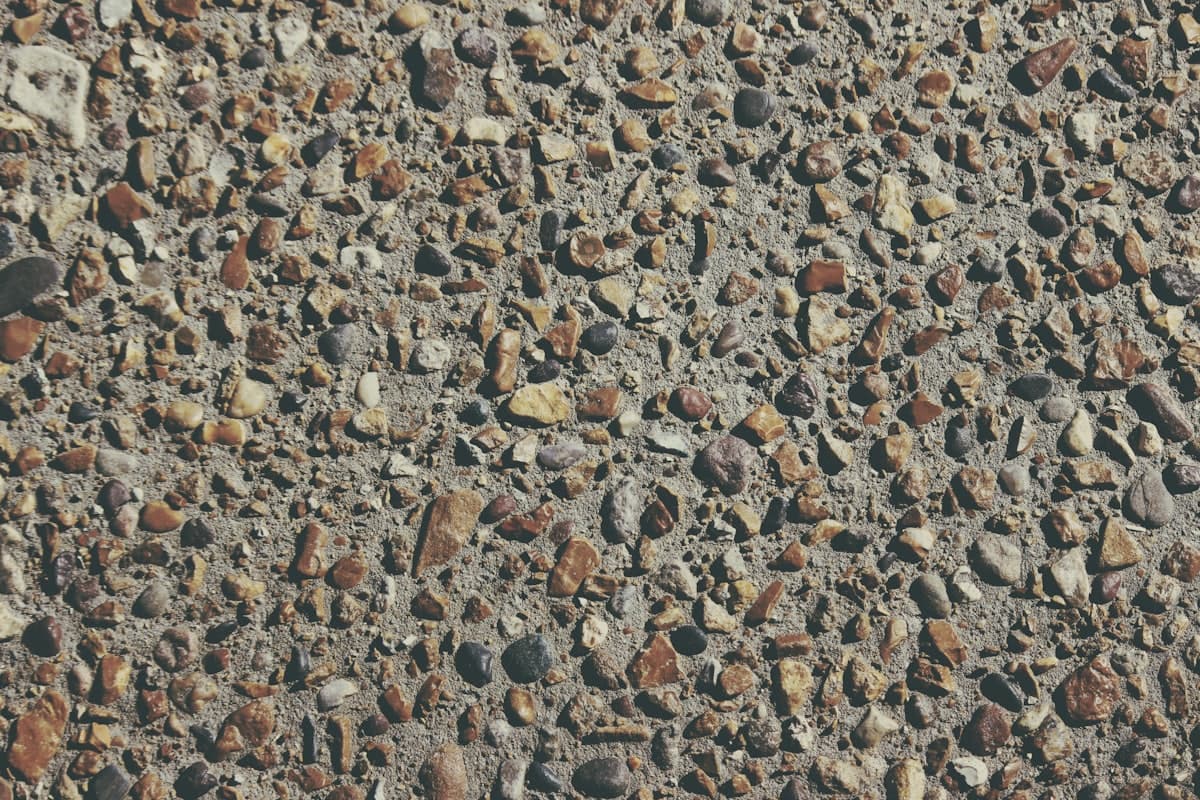
Standard concrete finishes hide the stone. The cement paste is troweled or broomed smooth over the top, leaving a uniform gray surface. Exposed aggregate does the opposite: the surface paste is removed before it fully sets, revealing the rounded river stone, pea gravel, or decorative rock that was in the mix from the start.
The result is a textured, naturally slip-resistant surface that looks genuinely different from plain concrete. The color comes from the aggregate itself — it can be a natural river-stone mix for an organic look, or a seeded surface aggregate for a more controlled color and size palette. Either way, the texture is structural rather than applied, which means it doesn't fade, chip, or wear away the way a stamped pattern or paint does.
In the Bay Area the most common applications are driveways, patio surrounds, pool decks, and walkways — places where some texture underfoot is an advantage and where the natural stone look fits better than a broom finish or a stamped pattern.
- Texture is part of the concrete, not applied to the top
- Naturally slip-resistant — useful on pool decks and rain-wet driveways
- Color comes from the aggregate — doesn't fade under UV
- No pattern to crack, chip, or wear off over time
Wash-Expose vs. Seeded Surface
Two methods produce an exposed aggregate finish. Which one fits depends on how much control you want over the final look.
Wash-Expose (Standard)
- Uses the aggregate that's already in the ready-mix concrete
- Retarder is applied to the surface immediately after screeding; the slab is washed and brushed the next morning to remove the paste and expose the stone
- Color and size of aggregate varies by mix — less predictable, more natural-looking
- The most common and most cost-effective approach for driveways and patios
- Works well when the natural aggregate is attractive and the client accepts variation
Seeded Surface (Decorative)
- A base slab is poured first, then a selected aggregate is broadcast and pressed into the surface by roller or hand
- Allows complete control over aggregate type, color, and size — river stone, quartz, recycled glass, or specialty rock
- More labor-intensive and more expensive than wash-expose
- The right choice when a specific color palette or a very clean, uniform look is the goal
- Common for feature areas within a larger pour, or for pool decks where a specific pebble type is specified
Aggregate Options
The aggregate is the finish. These are the most common choices across our Bay Area work.
River Pebble & Pea Gravel
Rounded, smooth stones in a natural gray-brown palette. The most common choice for driveways and patios — familiar, durable, and works with most house styles. Size ranges from 3/8 inch pea gravel to 3/4 inch river pebble.
Quartz & Granite Chips
Angular crushed stone in a wider range of colors — buff, tan, white, charcoal, and blended palettes. Catches light differently than rounded stone and gives a more polished appearance. Common on pool decks and feature areas.
Specialty & Recycled Glass
Tumbled recycled glass, polished stone, or mixed custom blends for a more distinctive look. Typically seeded rather than mixed in — used when a specific color story is more important than cost.
Where Exposed Aggregate Works Best
Ideal applications
- Driveways — the texture grips tires and doesn't show oil as readily as a smooth surface
- Pool decks — naturally slip-resistant when wet, stays cooler underfoot than dark aggregate
- Patios and walkways where some grip underfoot is an advantage
- Side yards and utility paths where a lower-cost decorative finish is preferred over stamped
- Entry walks where a natural stone look complements brick or stone cladding
Less ideal applications
- Interior floors — the textured surface collects dirt and is harder to keep clean indoors
- Areas where bare feet are common and comfort matters more than grip
- Surfaces that need a specific color match to tile, pavers, or other adjacent material
- Slabs where the ready-mix aggregate is unattractive and seeding isn't in the budget
How the Finish Gets Made
Sub-base and form preparation
Same base requirements as any flatwork — compacted aggregate to depth, forms set for slope and drainage, reinforcing steel chaired and tied. Exposed aggregate doesn't change what's under the slab.
Concrete placement and screeding
Ready-mix is placed and screeded level. For wash-expose, the standard mix is used. For seeded work, a base mix without coarse aggregate is placed first, then the surface stone is broadcast immediately and pressed in by roller.
Retarder application
A chemical retarder is sprayed or rolled onto the surface immediately after bull-floating. It slows the hydration of the top paste layer, keeping it soft enough to wash off the next morning while the body of the slab sets hard underneath.
Covering and cure overnight
The slab is covered with plastic sheeting to protect the retarder from evaporation and rain. The body of the slab cures through the night.
Wash and expose
The next morning, the plastic is removed and the surface paste is washed and brushed away with water and a stiff brush. The depth of exposure is controlled by timing and water pressure — typically 1/4 to 3/8 inch of aggregate is revealed.
Cure and seal
The finished surface is allowed to cure to full strength, then sealed with a penetrating or film-forming sealer depending on use and preference. Sealing brings out the color and protects the surface — on driveways and pool decks, a sealer with a slip-resistant additive is standard.
Sealing Is Part of the Job, Not an Upsell
Exposed aggregate concrete is porous. Without a sealer, water and oil penetrate, staining and freezing inside the pores. In the Bay Area's mild climate concrete doesn't face freeze-thaw damage, but oil from a driveway and pool chemicals from a deck both need a barrier. A quality penetrating sealer applied at completion and reapplied every few years is the maintenance this finish requires.
Exposed Aggregate vs. Stamped Concrete
The two most common decorative concrete choices for driveways and patios — both legitimate, genuinely different.
Exposed Aggregate
- Color comes from natural stone — no surface colorant to fade over time
- Texture is structural — won't crack or chip away like a stamped pattern
- Naturally slip-resistant without additives
- Lower cost than stamped in most cases
- Best when the natural stone look fits the style of the property
Stamped Concrete
- Mimics stone, brick, or tile patterns with color hardeners and release agents
- Much wider range of looks — can match specific materials or colors
- Pattern depth and surface color can fade and require periodic resealing
- Higher cost — the stamp work, color hardener, and release agent add labor and material
- Best when the look needs to match a specific material or a more uniform finish is wanted
Exposed Aggregate Questions
More Concrete Flatwork Services
Related work we handle, often on the same project as this one.
Often Quoted Alongside This
Work from our other category that regularly shows up on the same site visit.
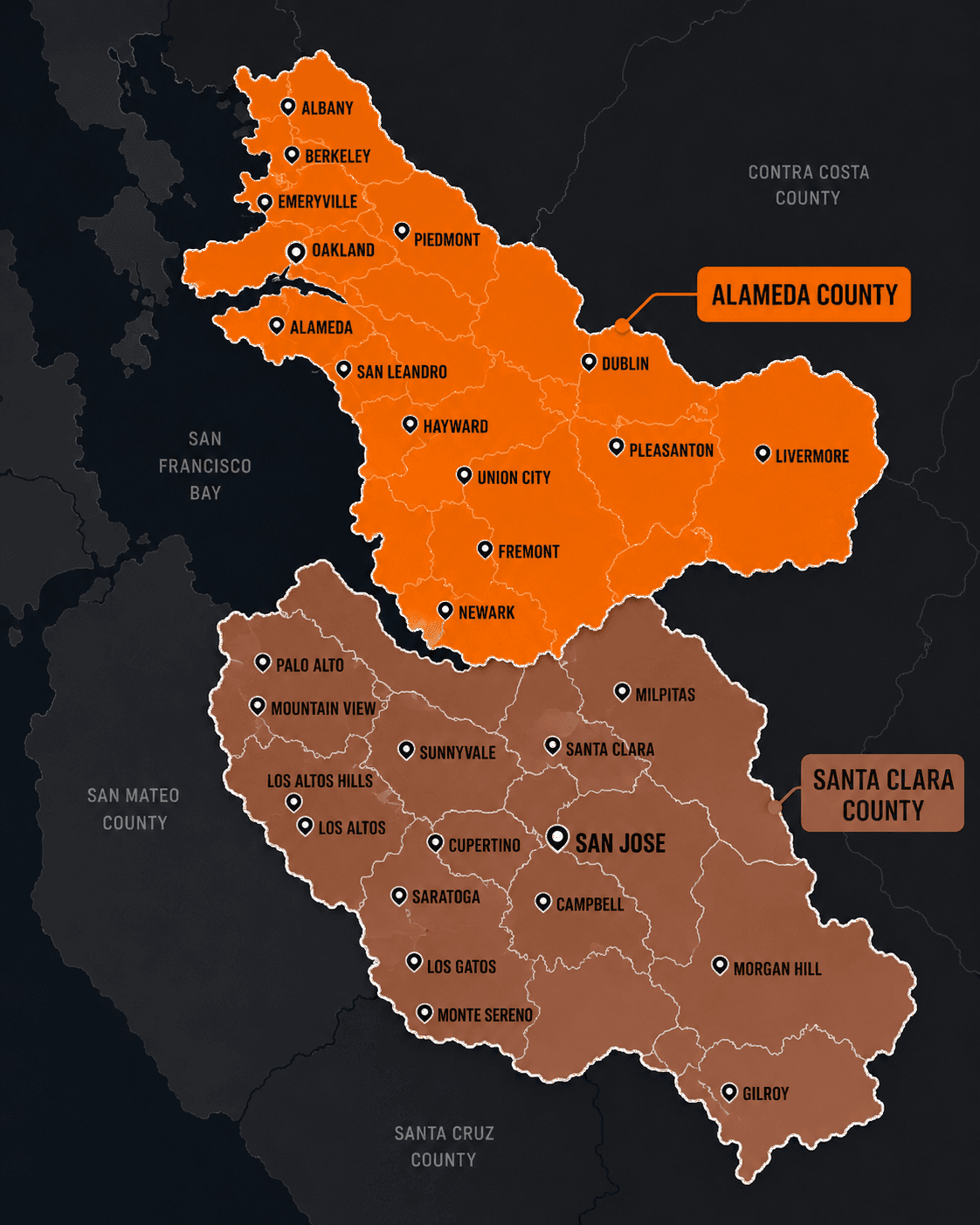
55 Cities Served
Santa Clara, Alameda, San Mateo & Santa Cruz counties
Service Area
Where We Provide Exposed Aggregate Concrete
We provide exposed aggregate concrete across 55 cities in Santa Clara, Alameda, San Mateo, and Santa Cruz counties. Ground conditions, permitting, and the failure modes we see vary city by city, so each has its own page.
Counties
Read Before You Decide
Guides from our Learning Center that bear directly on this kind of work.
Want Exposed Aggregate on a Driveway or Patio?
We'll tell you which aggregate style fits your property and give you a written estimate before anything starts.