Learning Center · Commercial
Commercial Concrete
Parking lots, industrial floors, ADA compliance, and maintenance planning for property managers.
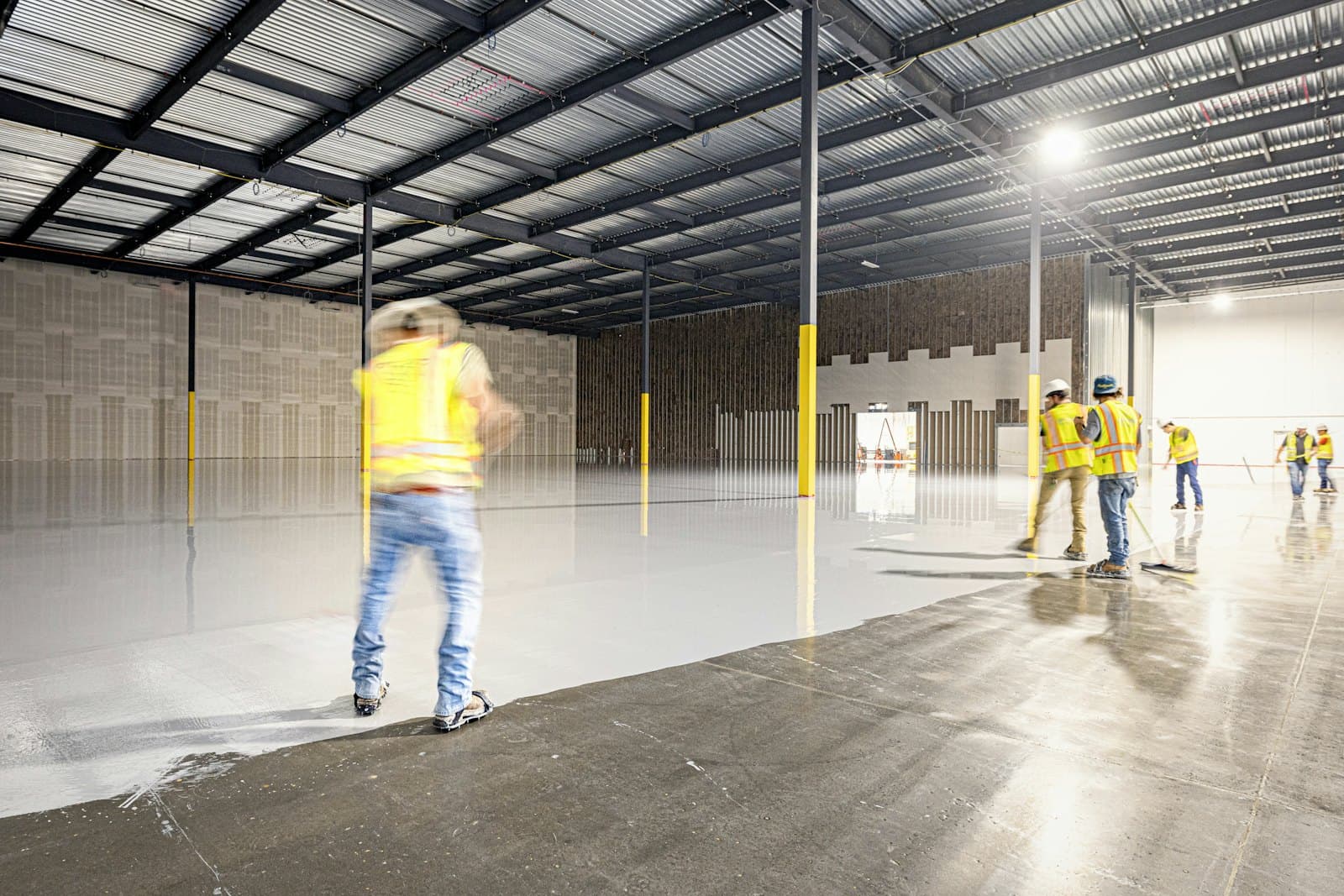
Commercial concrete fails for different reasons than residential concrete, and it fails more expensively. It's rarely the mix. It's a slab designed around cars that ended up carrying delivery trucks, a dock apron with no thickened edge, or a lot that was never given anywhere for water to go.
These guides are written for the people who actually make these decisions: facility managers, property owners, HOA boards, and general contractors. They cover specification, phasing around live operations, ADA obligations that carry real liability, and how to build a multi-year concrete maintenance budget instead of reacting to failures.
Where compliance is involved, the guides say what the requirement is and where the liability sits.
Every guide in Commercial
 Most read
Commercial parking lots
Thickness by traffic type, why dock and dumpster areas fail first, and how to phase work around a live site.
Read the guide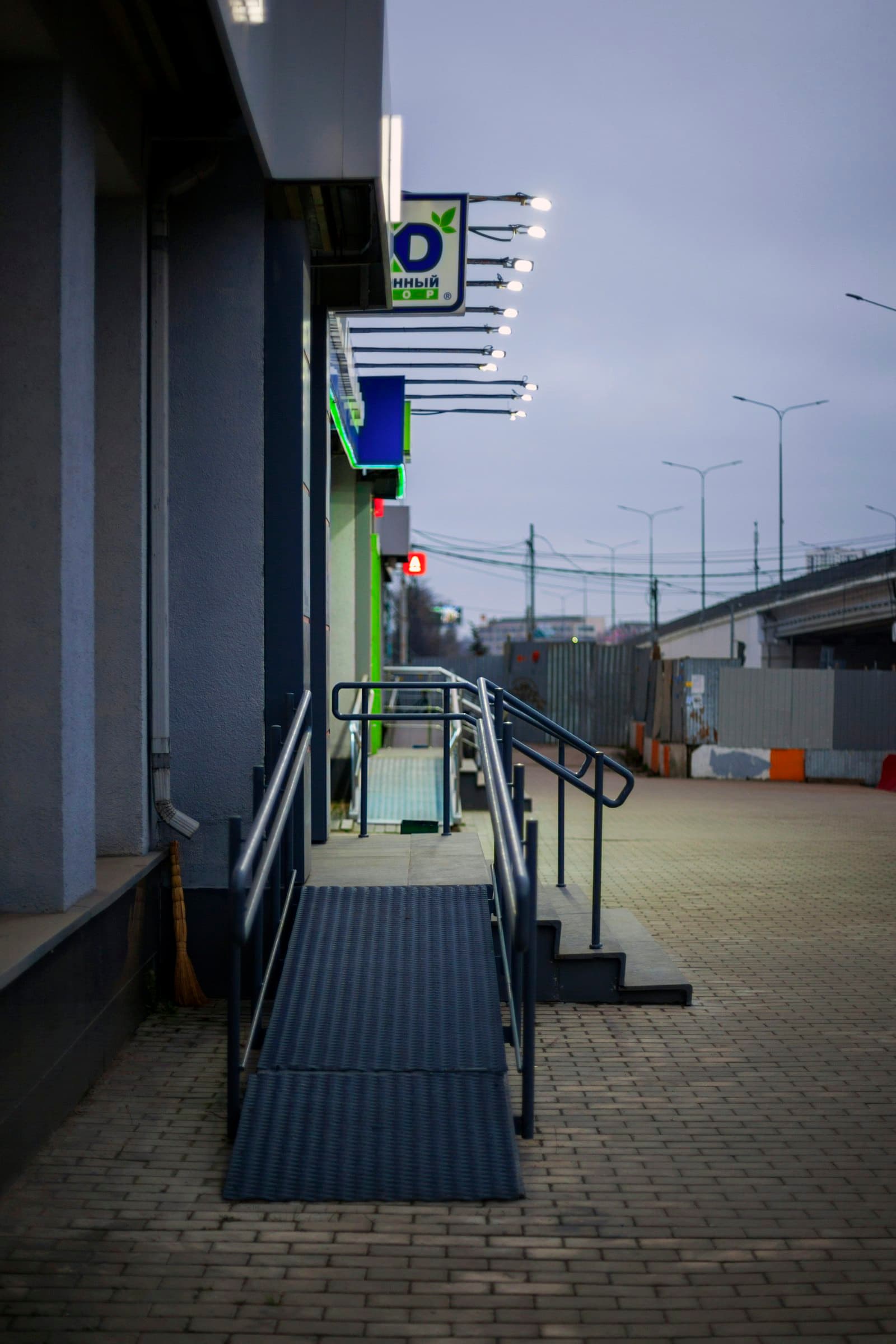 Most read
ADA requirements
The dimensions and tolerances that carry real liability — slope, cross-slope, width, changes in level, and detectable warnings.
Read the guide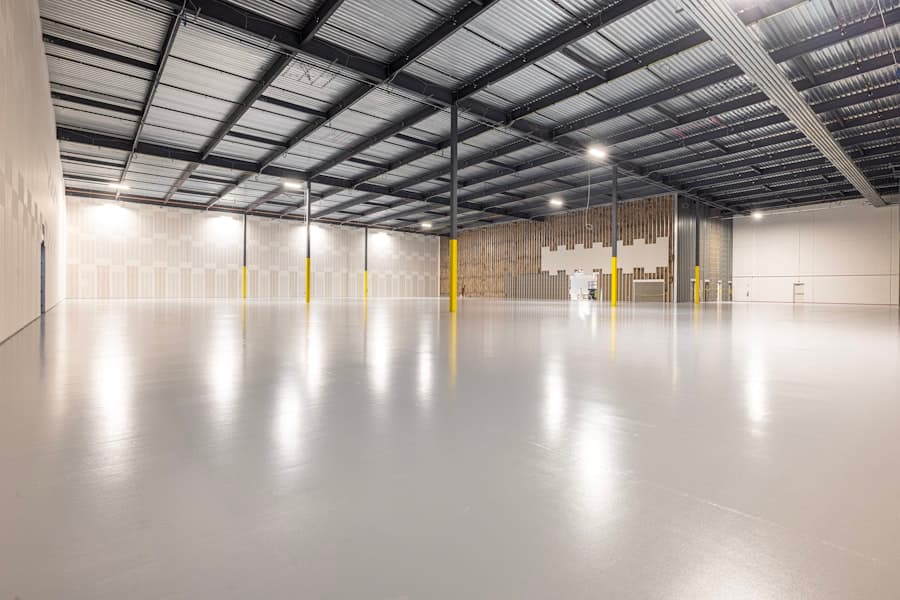
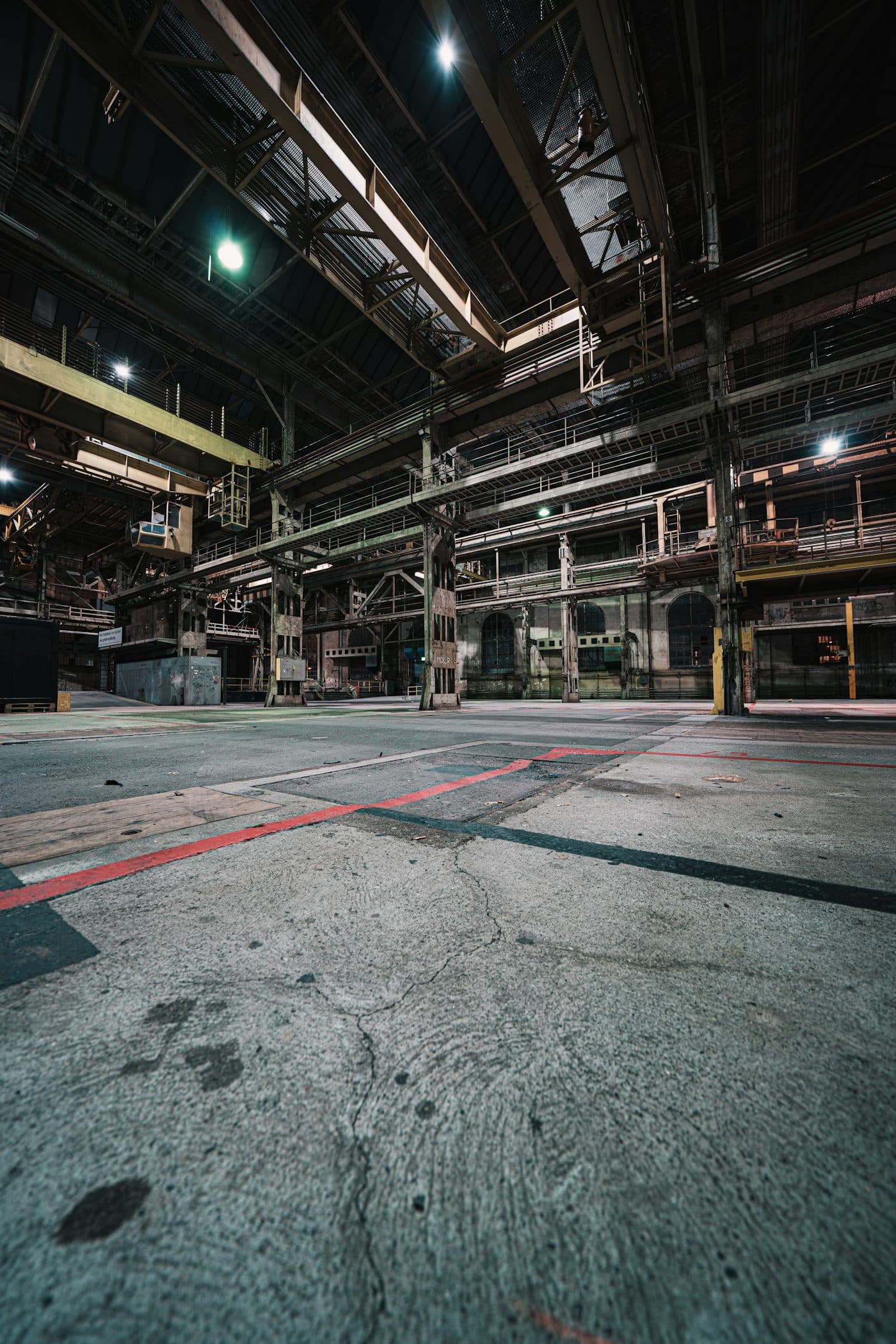
Why industrial floors fail
Joints, flatness, and surface hardness — the three things that decide whether a warehouse floor works, and why it's almost never the concrete.
Read the guideMaintenance planning
Moving from reactive repairs to a multi-year plan — condition assessment, intervention timing, and what to budget.
Read the guideOther topics in the Learning Center
All topicsPlanning commercial?
Free written estimates across San Jose & the greater Bay Area — with the specification stated, not just a price.