Learning Center · Foundations
Foundations & Slabs
Foundation types, slab construction, warning signs, and what settlement actually looks like.
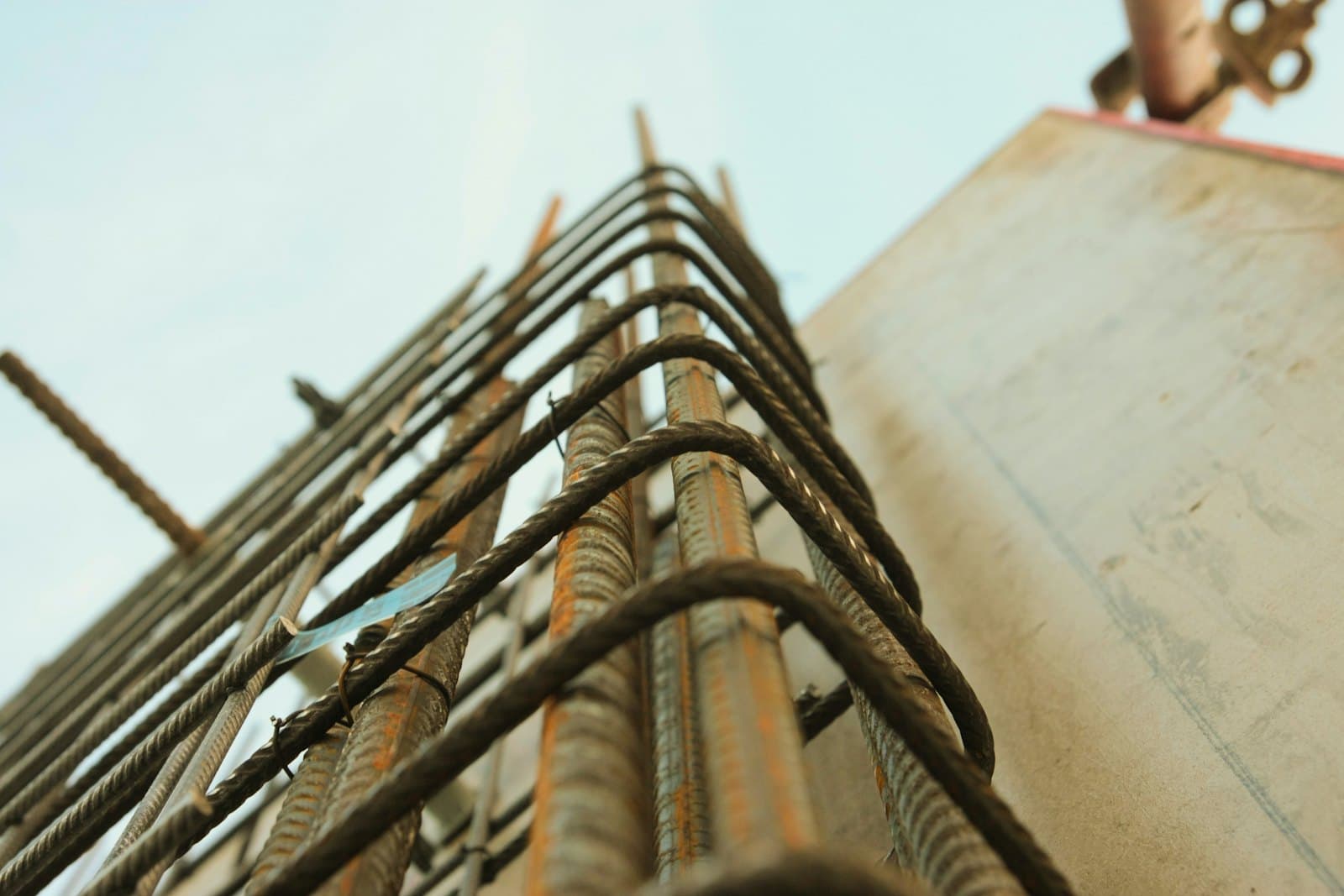
Foundation work carries a different weight than flatwork. A patio that fails is an inconvenience and a cost. A foundation that fails is a structural problem, an insurance conversation, and often an engineer's report before anyone can pour anything.
These guides cover how a slab-on-grade foundation is actually built, what the expansive clay soils across parts of Santa Clara and Alameda counties do to it seasonally, which warning signs warrant a professional assessment, and which ones are cosmetic.
Where a guide says to involve a structural engineer, take it seriously. We'd rather lose the job than pour over a problem we can't see.
Every guide in Foundations
Most readTypes of foundations
Slab-on-grade, raised floor, and basement — how each is built, what each costs, and which suits Bay Area conditions.
Read the guide
Slab-on-grade explained
How a slab foundation is built layer by layer, what each layer does, and where quality problems hide.
Read the guide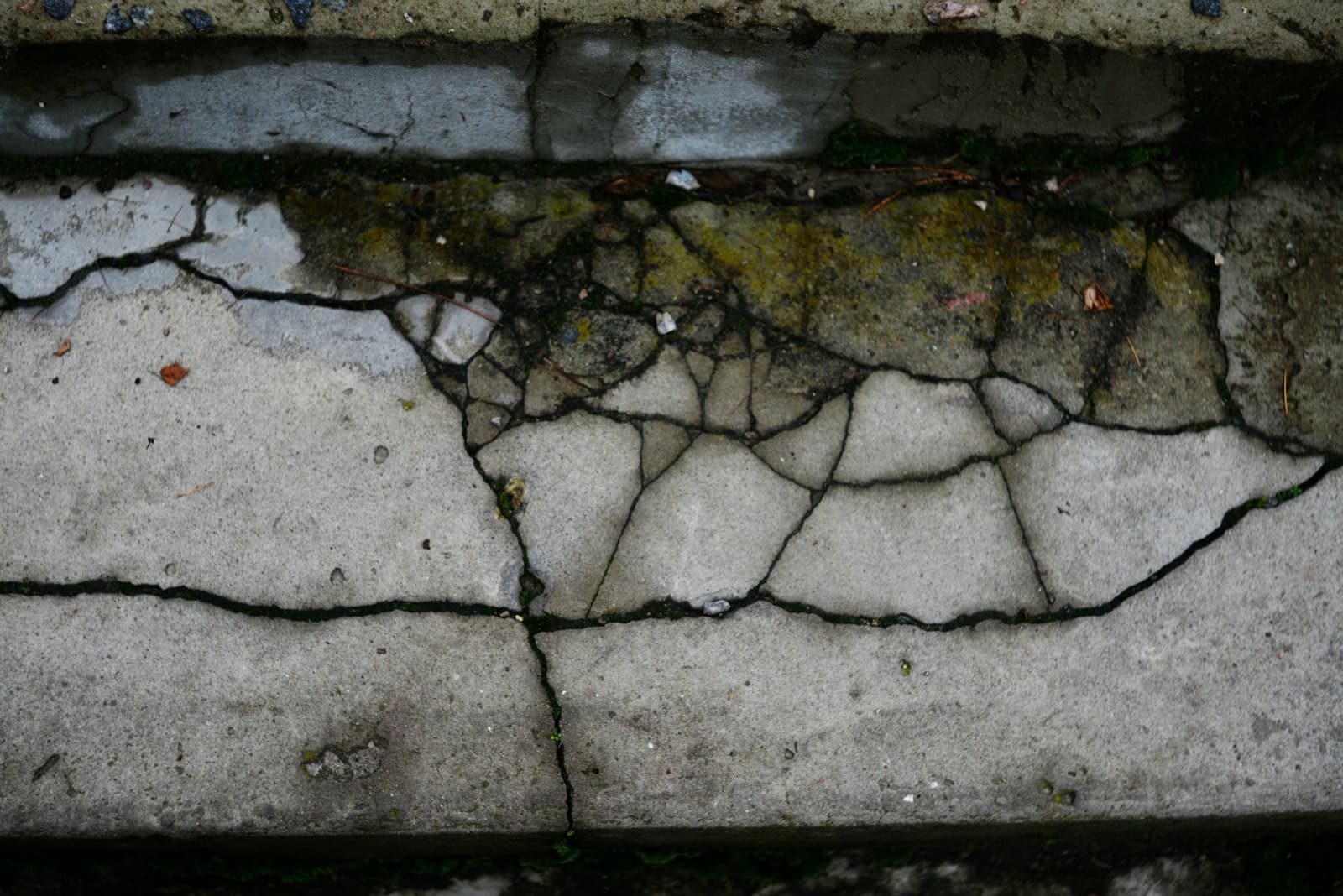 Most read
Foundation warning signs
Which cracks, sticking doors, and sloping floors actually matter — and which are just an old house being an old house.
Read the guide
Foundation settlement
Expansive clay, poor compaction, water, and trees — the four mechanisms behind almost all foundation movement in the Bay Area.
Read the guideRetaining wall cost
Why retaining wall prices jump at the engineering threshold, the cost of drainage and footings, and how to compare poured walls with block.
Read the guideWhat is a raised foundation?
How raised (crawl space) foundations are built, why they're common in older Bay Area homes, and their pros, cons, and seismic considerations.
Read the guideFoundations and Slabs: Types, Warning Signs, and Settlement
Bay Area homes sit on three main foundation types. Slab-on-grade foundations are a single reinforced slab poured on prepared ground, common in newer homes and ADUs. Raised foundations support a wood floor over a crawl space on a perimeter wall and piers, and dominate in older homes. Basements are rare locally because of cost, groundwater, and seismic considerations.
Expansive clay soil and water are the two biggest causes of foundation movement here. Clay swells in wet months and shrinks in dry ones; poor drainage, leaks, and irrigation soften soil beneath footings. Warning signs worth taking seriously include doors and windows that stick more over time, diagonal cracks from the corners of openings, sloping floors, and horizontal cracks in foundation walls. Fine vertical hairline cracks are usually normal.
The guides in this section explain how each foundation type is built, what causes settlement, which warning signs matter, and how retaining walls hold back soil — so you know when to fix drainage, when to call an engineer, and what questions to ask.
Foundations & Slabs: Common Questions
More guides beyond Foundations & Slabs
All topicsPlanning foundations?
Free written estimates across San Jose & the greater Bay Area — with the specification stated, not just a price.