Restoration
Concrete Repair and Resurfacing
Restoring cracked, spalled, or worn concrete — and an honest assessment of when repair beats replacement.
- Best for
- Level slabs that are structurally sound
- Not suitable
- Where one side of a crack has dropped
- On-site time
- 1–3 days
- Use again after
- 24–72 hours
Repair & Resurfacing — At a Glance
Restoring cracked, spalled, or worn concrete — and an honest assessment of when repair beats replacement. Dueling Trowels Concrete Solutions provides concrete repair and resurfacing contractor services across 55 cities in Santa Clara, Alameda, San Mateo, and Santa Cruz counties, including San Jose, Oakland, Fremont, and Sunnyvale. Licensed, insured, and backed by a written workmanship warranty. Free written estimates.
First, Read the Crack
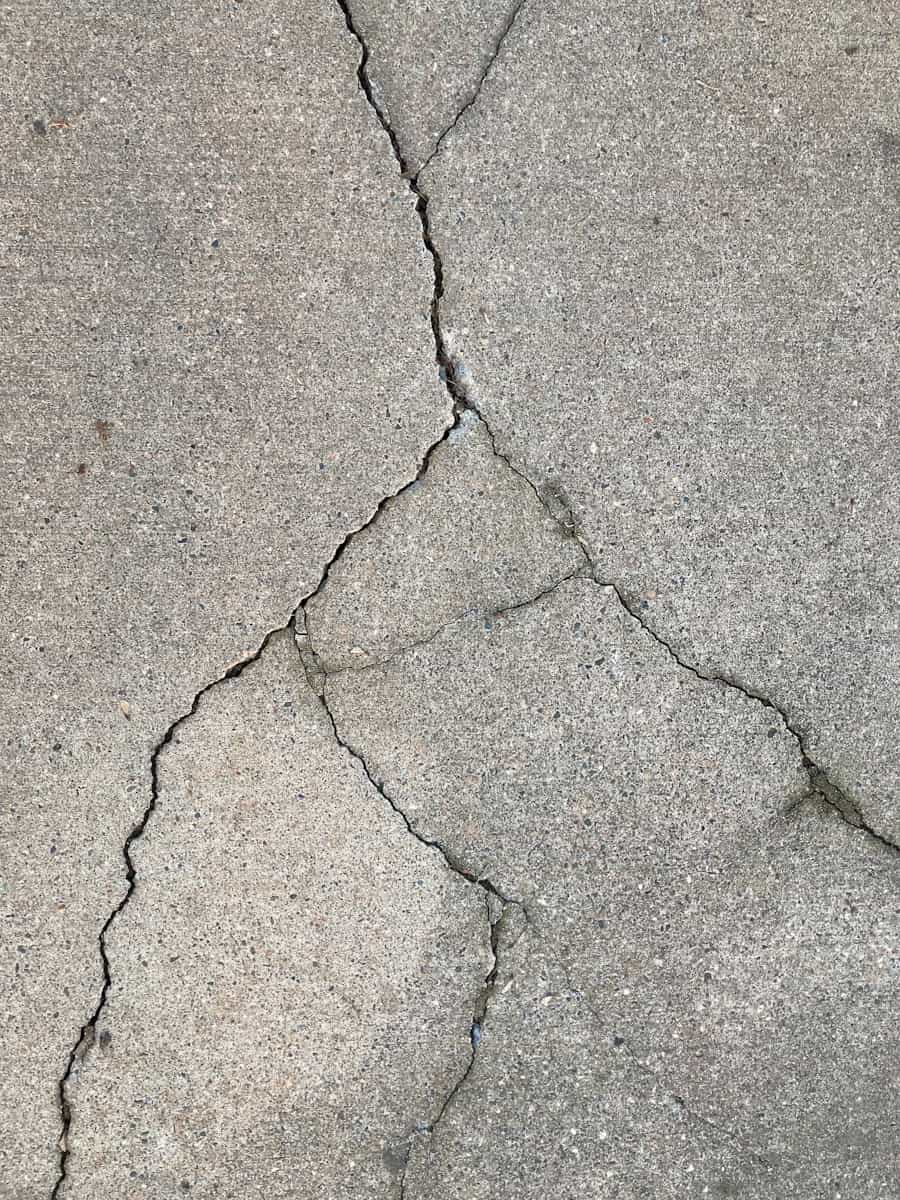
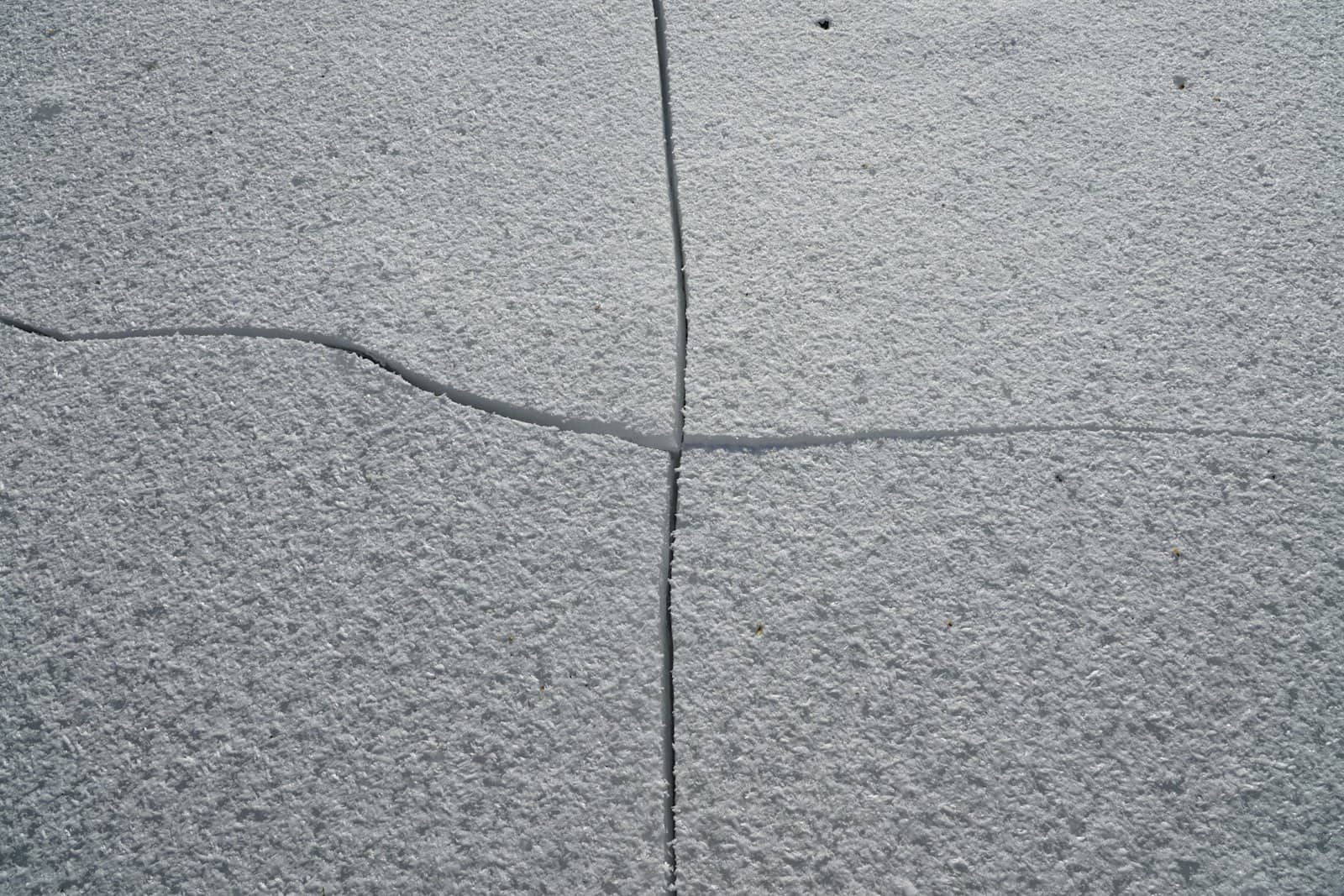
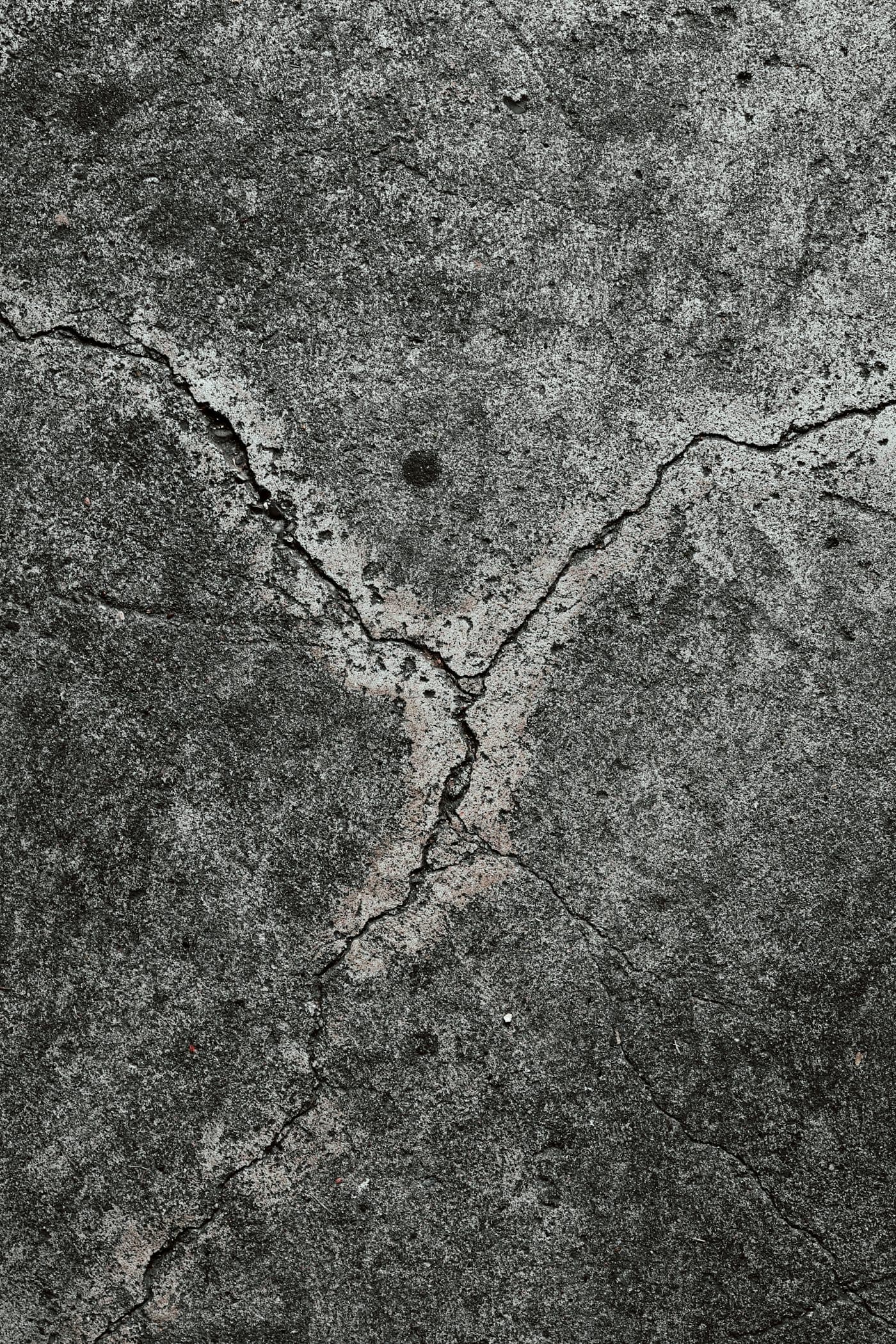
Not all cracks mean the same thing. The pattern tells you whether you're looking at cosmetic aging or a structural problem.
Hairline Shrinkage
Thin, often branching, no height difference across the crack. Formed as the slab cured. Essentially cosmetic and the most common thing we're called about.
Settlement Cracking
One side sits lower than the other. The ground beneath has moved or the base was never properly compacted. Needs the cause addressed, not just the crack filled.
Structural Cracking
Wide, continuous, running through the full slab depth, often widening over time. Points to inadequate thickness, missing reinforcement, or loads beyond what the slab was built for.
Surface Spalling
Flaking and pitting where the top layer breaks away. Usually from a poor original finish, de-icing chemicals, or water penetration into a weak surface layer.
In Practice
Repair, Resurface, or Replace?
The honest answer depends on one test: is the slab still level across the crack?
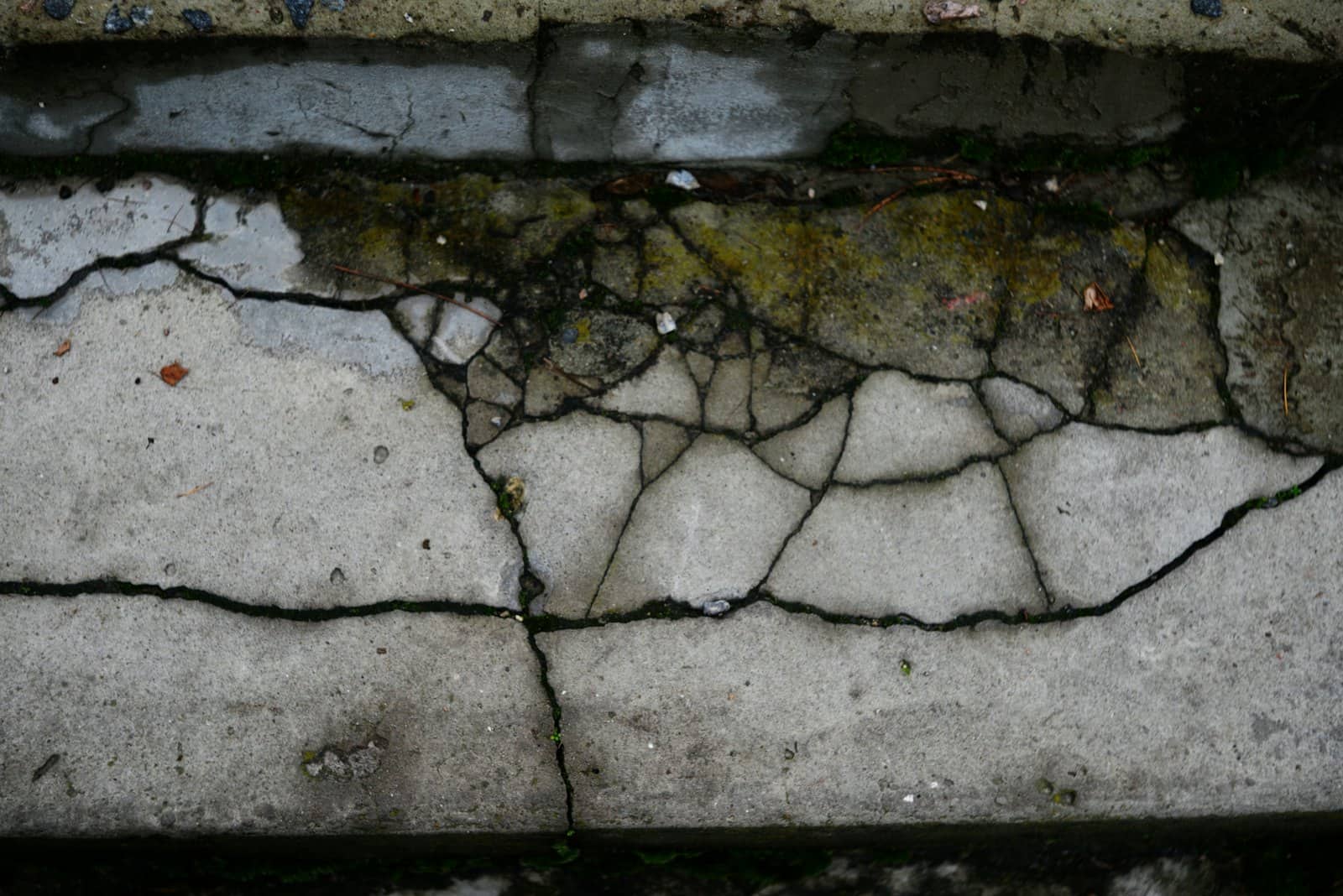 Cheapest fix
Repair the crack
Level across the break and structurally sound. Route it out, fill with a flexible sealant, and it holds for years.
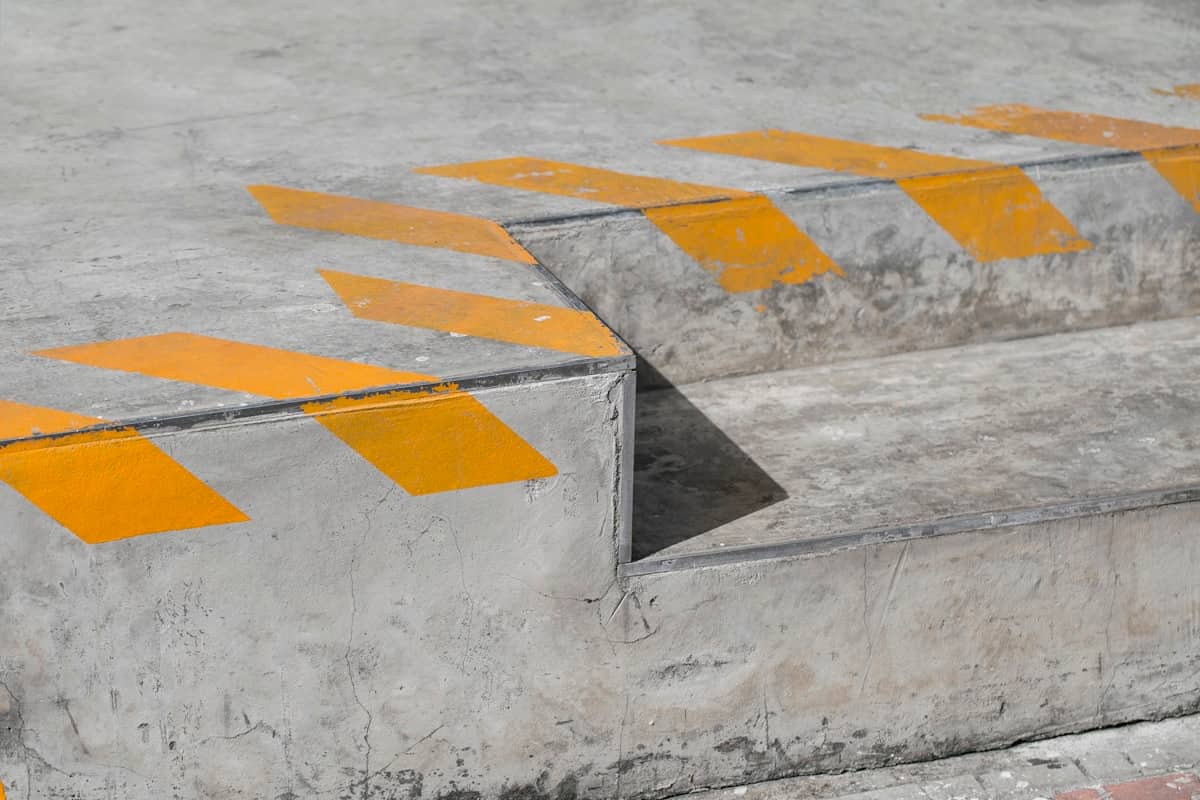 Middle option
Resurface the slab
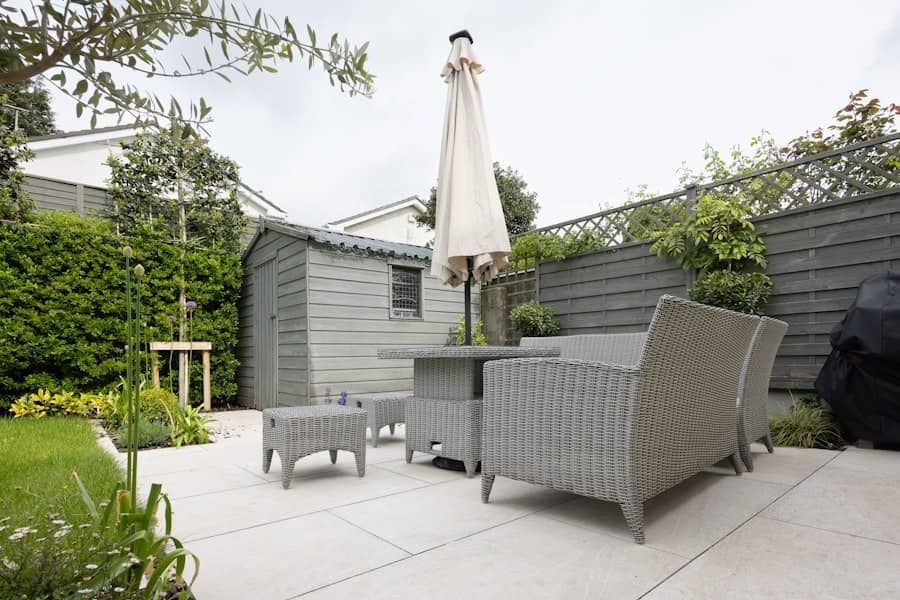
Sound underneath but ugly on top — spalling, staining, or a worn finish. An overlay gives a new surface at a fraction of replacement cost.
 The right call
Replace the section
One side sitting higher than the other means the ground moved. Nothing applied to the surface fixes that — the base has to be rebuilt.
Repair or Replace?
The honest framework we use on site. Most slabs fall clearly into one column or the other.
Repair Usually Makes Sense
- Cracks are hairline to moderate with no vertical displacement
- The slab sits level with no rocking or visible settlement
- Damage is localized rather than spread across the whole surface
- Surface wear, pitting, or discoloration with sound concrete underneath
- Edge and corner chips on an otherwise solid slab
- The base beneath is stable and the drainage is working
Replacement Is the Better Investment
- Sections have sunk or heaved relative to their neighbors
- Cracks are wide, full-depth, and continuing to open
- Interconnected cracking across a large share of the surface
- The slab rocks or moves underfoot when loaded
- Repeated repairs in the same area have already failed
- Drainage problems are actively causing recurring damage
02
What a Resurfacing Overlay Actually Is
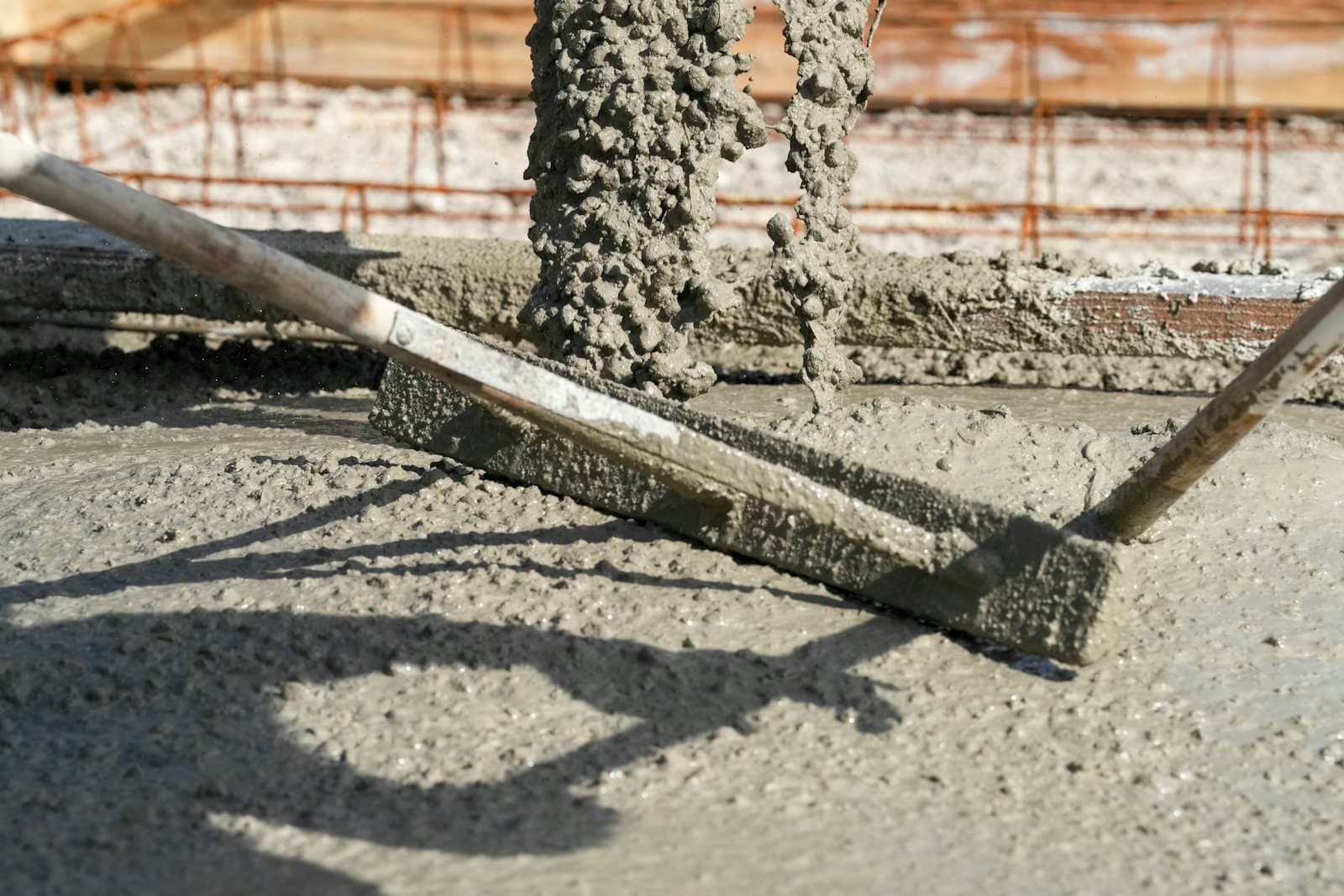
Resurfacing bonds a thin layer of polymer-modified concrete over an existing slab. It restores a smooth, uniform surface and can carry a new color or texture — including a stamped pattern — without the cost and disruption of demolition and a full replacement.
The critical requirement is that the slab underneath is structurally sound. An overlay is a surface treatment, not a structural repair. It adds essentially no strength, so if the existing slab is cracking because it's too thin or sitting on a failed base, the overlay will crack in the same places within a couple of years.
Where overlays genuinely excel is on slabs that are structurally fine but cosmetically finished — worn, stained, dated, or badly patched. In that situation resurfacing delivers most of the visual benefit of a new slab at a meaningful fraction of the cost and time.
What Resurfacing Won't Fix
Setting expectations honestly, because these are the misunderstandings that lead to disappointment.
- Active cracks — they will eventually reflect through the new surface
- Settled or sunken sections; an overlay follows the existing contour
- Inadequate slab thickness or missing structural reinforcement
- Drainage problems, which need grading fixed rather than covered
- Base failure or soft spots in the sub-grade
- Slabs that rock or move under load
- Severe spalling where much of the surface has already broken away
- Anywhere the added height would foul a door threshold or drainage point
How We Approach a Repair
Diagnose the cause
We look at what created the damage, not just the damage itself. Filling a crack caused by an ongoing base problem buys a season at most.
Prepare the surface
Cleaning, profiling, and removing any loose or delaminated material so the repair bonds to sound concrete instead of to debris.
Treat cracks and joints
Cracks are routed and filled with an appropriate flexible or rigid material depending on whether the crack is still moving.
Apply the overlay or patch
The resurfacing layer or targeted patch goes down and is finished to match the surrounding texture as closely as possible.
Cure and seal
The repair cures, then sealer is applied to protect the new surface and help blend it visually with the existing slab.
Keeping the Repair From Being Necessary Again
Most concrete that fails early fails for a reason that's still there after the repair. Water is usually involved — pooling against the slab, running off a downspout onto one spot, or soaking the base through a failed joint. Fixing where the water goes does more for slab longevity than any product applied to the surface.
Beyond drainage, the basics genuinely work: keep control joints caulked so water doesn't reach the base through them, reseal every couple of years, deal with hairline cracks while they're still hairline, and keep loads within what the slab was built to carry. None of it is complicated, and all of it is cheaper than the alternative.
One local note: because the Bay Area doesn't get meaningful freeze-thaw cycling, de-icing salts are rarely a factor here. The failure modes that dominate locally are drainage and soil movement, which is why we spend more time looking at grading than at the surface itself.
Repair and Resurfacing Questions
Transformations
Repair & Resurfacing: Before & After
Representative comparisons of the condition we're typically called to, and what the finished work achieves. Drag the handle across each frame.
Side-yard utility slab
Structural slab repair
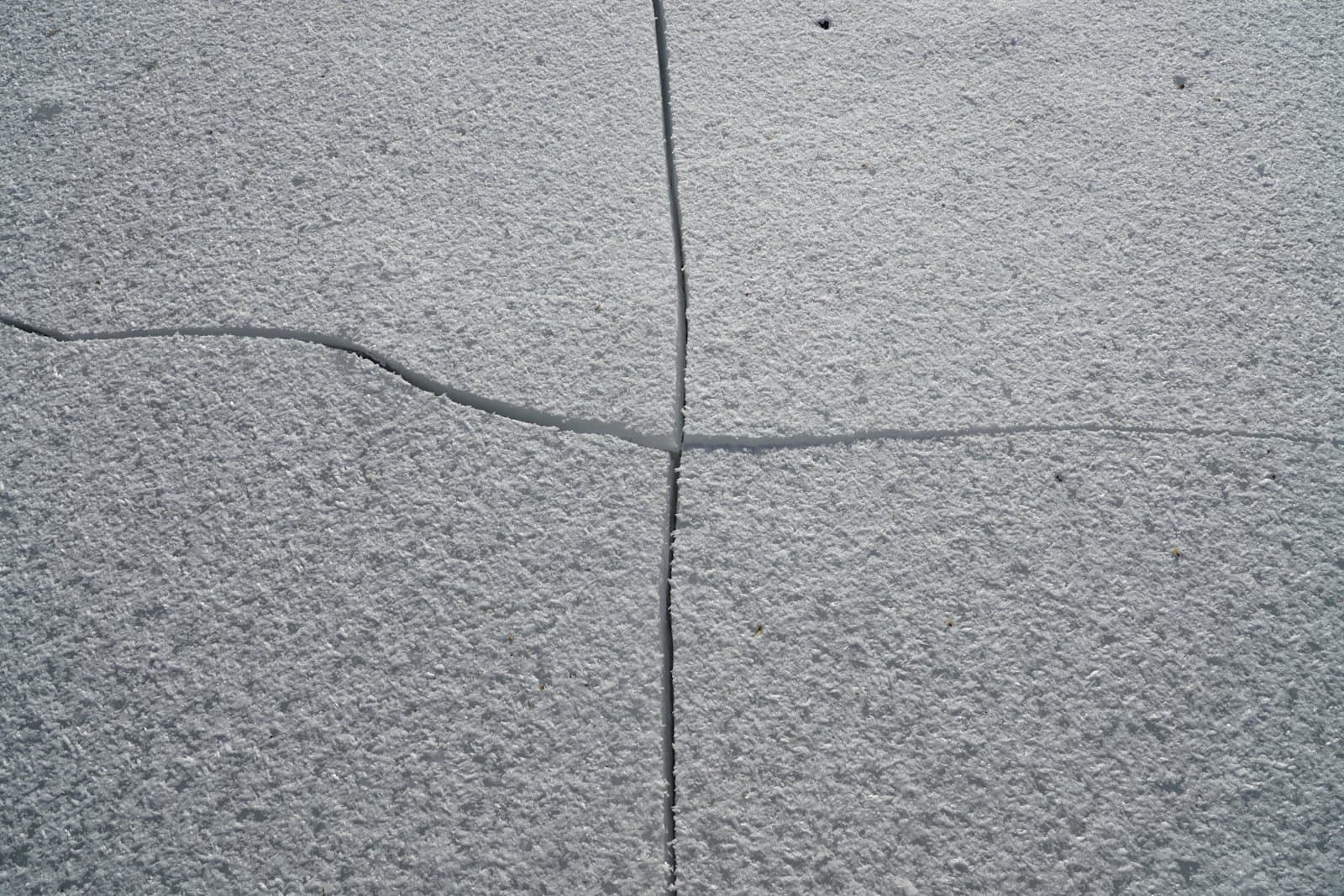
A slab with a wide crack and a visible height difference across it — the tell that the ground beneath had moved rather than the concrete simply shrinking. Repair was the wrong answer here, so the affected bay was removed, the base rebuilt, and the section repoured.
- Root cause fixed in the base, not covered over at the surface
- Only the failed bay replaced, keeping cost down
- New section tied to the old with dowelled joints
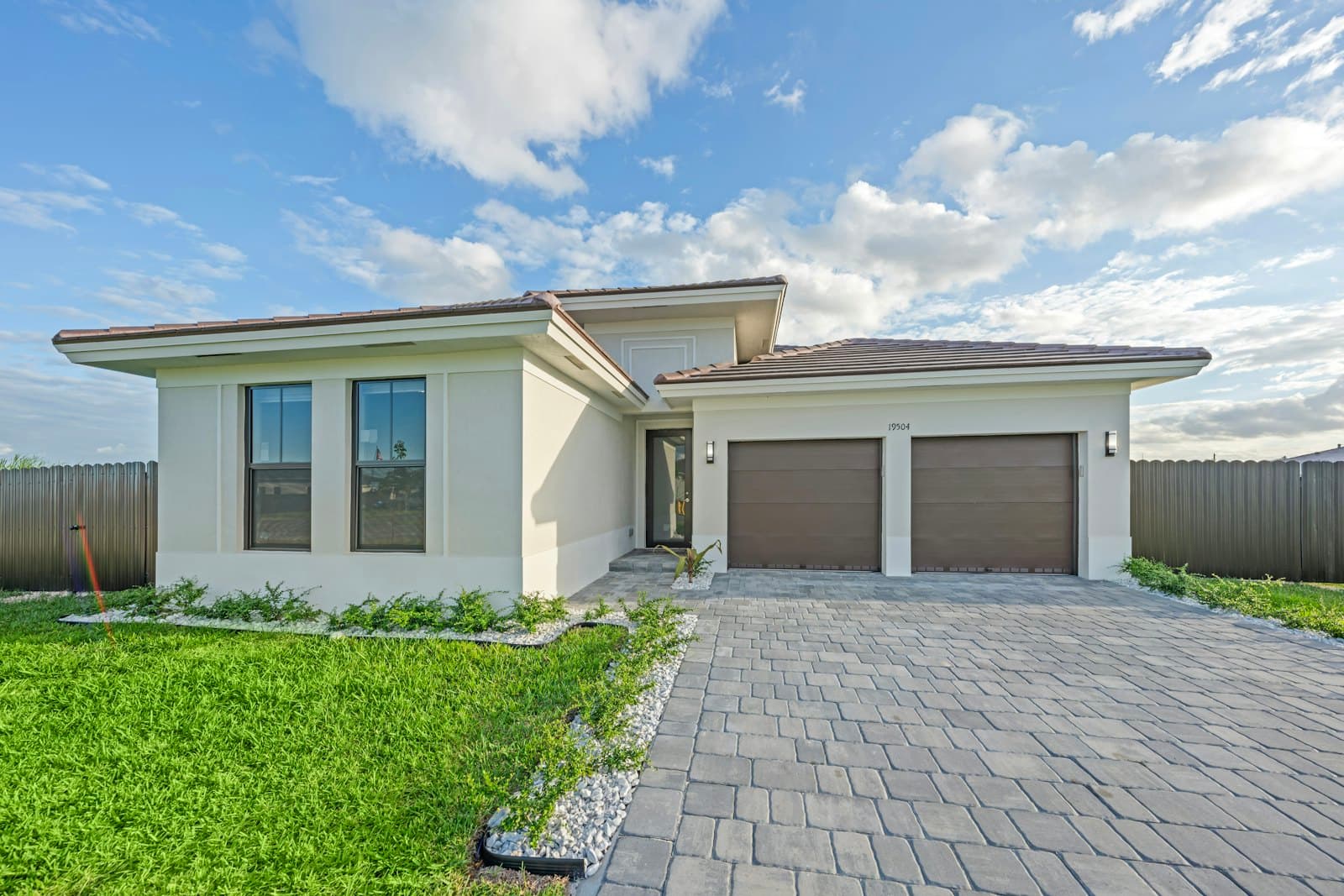
Typical 1960s tract home
Driveway replacement
A driveway poured at three and a half inches on uncompacted native soil, cracked through in three places and settling toward the garage. Replacement went in at five inches over six inches of compacted Class 2 base, with rebar chaired into the slab and the fall reversed away from the house.
- Water now runs to the street instead of the garage slab
- Thickness and reinforcement rated for two modern vehicles
- Control joints cut on a grid, so future movement is directed
Drag the handle — or use the arrow keys — to compare the condition before and after.
More Concrete Flatwork Services
Related work we handle, often on the same project as this one.
Often Quoted Alongside This
Work from our other category that regularly shows up on the same site visit.
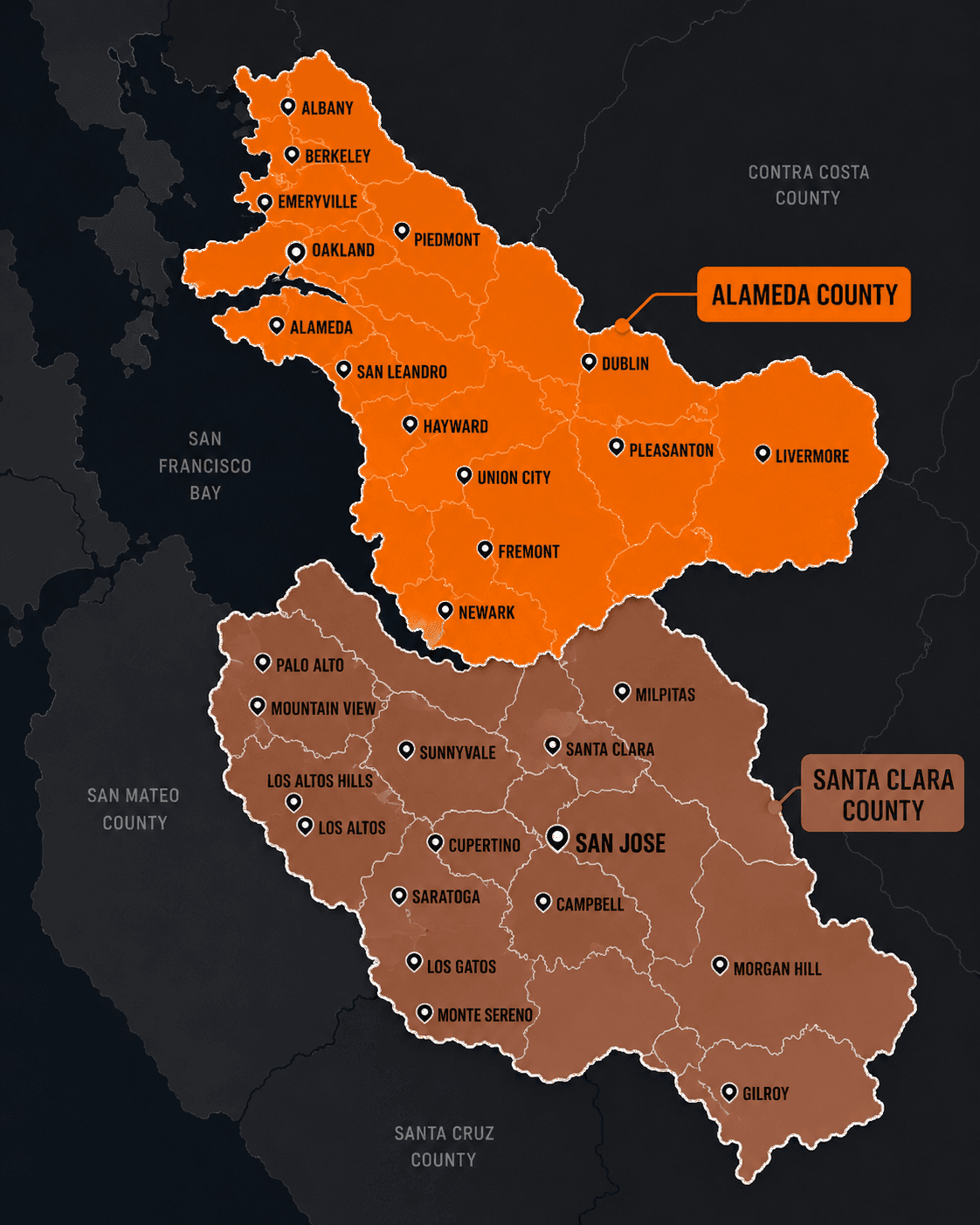
55 Cities Served
Santa Clara, Alameda, San Mateo & Santa Cruz counties
Service Area
Where We Provide Repair & Resurfacing
We provide repair & resurfacing across 55 cities in Santa Clara, Alameda, San Mateo, and Santa Cruz counties. Ground conditions, permitting, and the failure modes we see vary city by city, so each has its own page.
Counties
Read Before You Decide
Guides from our Learning Center that bear directly on this kind of work.
People Also Ask
The questions we're asked most about repair & resurfacing, each answered in full.
Get an Honest Assessment
Send a photo or have us take a look. If a repair will genuinely solve it, we'll tell you — and if it won't, we'll tell you that too.