Quick answer
What causes concrete discoloration?
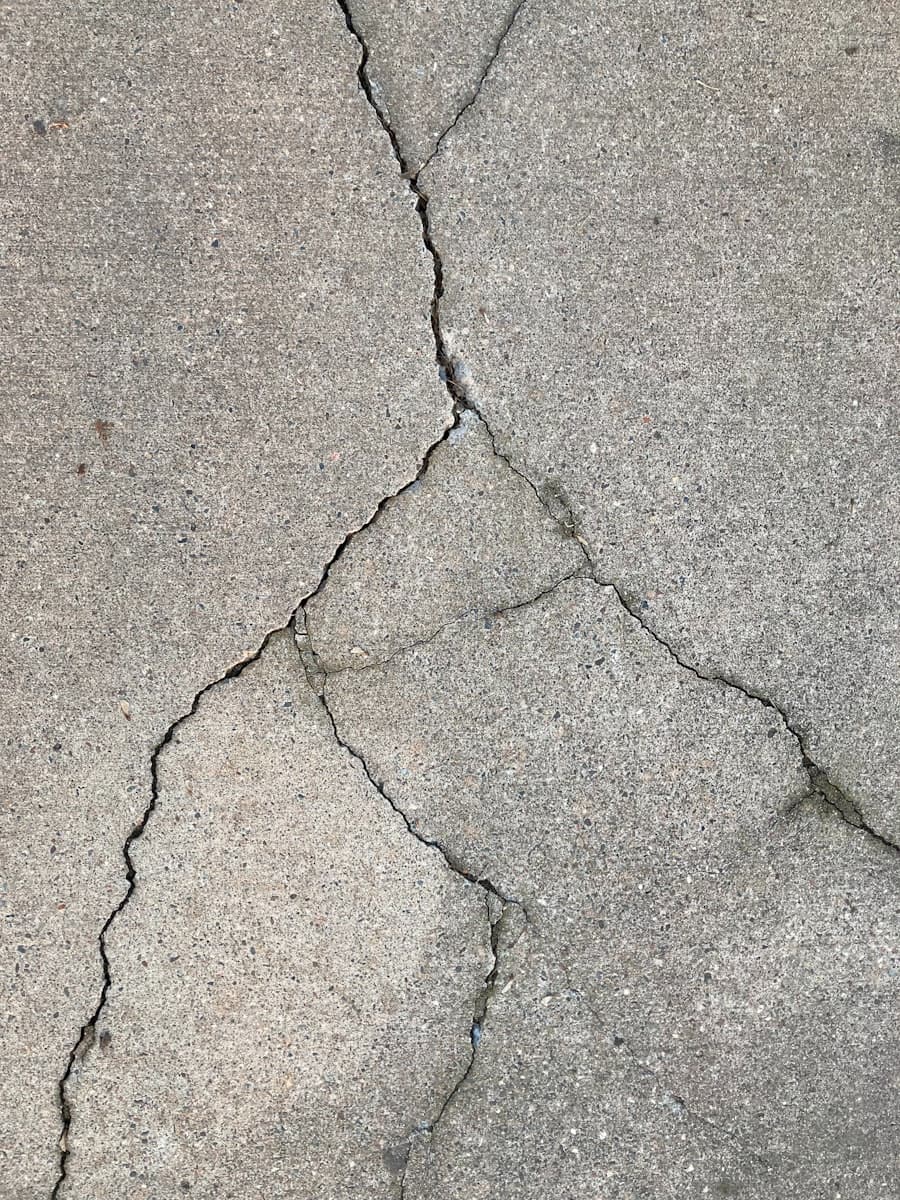
Most uneven color in new concrete is moisture variation — different areas of the slab drying at different rates — and it evens out over one to three months. Persistent discoloration usually comes from inconsistent finishing, calcium chloride in the mix, different cement batches, or efflorescence. Staining from oil, leaves, rust, or fertiliser is a separate problem with its own fixes.
- Most common cause
- Uneven drying
- Usually resolves in
- 1–3 months
- White chalky bloom
- Efflorescence
- Permanent fix
- Stain or resurface
Concrete is a natural material made from cement, sand, and stone that vary batch to batch, placed by hand, and cured outdoors. Perfectly uniform color was never really on the table, and a slab with some tonal variation is normal rather than defective.
That said, there's a real difference between the gentle variation you'd expect and the blotchy dark-and-light patchwork that makes people call their contractor. Knowing which is which — and which will resolve itself — saves a lot of unnecessary worry in the first few months after a pour.
Common discoloration patterns
What each pattern means
| What you see | Likely cause | Will it resolve? |
|---|---|---|
| Soft-edged dark and light patches on new concrete, changing over weeks | Uneven moisture — different areas drying at different rates over varying base conditions and sun exposure | Yes, usually within 1–3 months |
| Hard-edged patches following the pattern of crew movement | Inconsistent finishing — areas trowelled more or at different times, closing the surface differently | Partly. Sealing evens the appearance considerably |
| Persistent dark blotchy mottling that never lightens | Calcium chloride accelerator in the mix, which reliably causes dark discoloration | No. Requires staining or resurfacing |
| A distinct color change along a straight line across the slab | Two different truckloads, or a delay between placements — different cement batches | Fades somewhat over years; rarely disappears |
| White chalky powder or bloom on the surface | Efflorescence — dissolved salts carried to the surface by moisture leaving the slab | Primary efflorescence fades over months. Recurring means moisture is still moving through |
| Dark rings where planters or objects have sat | Trapped moisture under the object | Usually yes, over weeks once the object is moved |
| Yellow or rust-colored staining in patches | Iron in the aggregate or sand oxidising, or rust from reinforcement too close to the surface | No. Rust from shallow rebar is a defect worth raising |
| Gray-white surface that rubs off as powder | Dusting — a weak surface from water added on site or from finishing water into the surface | No. Needs a densifier or resurfacing |
Efflorescence — the white bloom
Efflorescence is the most misidentified surface problem in concrete, so it's worth explaining properly.
Concrete contains soluble salts. As moisture moves through the slab and evaporates at the surface, it carries those salts with it and leaves them behind as a white crystalline deposit. It isn't mould, it isn't a sealer failure, and it isn't structural damage.
Primary efflorescence appears in the first weeks or months after a pour as the slab releases its initial moisture. It's normal, it fades, and it usually needs nothing more than a dry brush.
Secondary efflorescence appears later and keeps coming back. That means moisture is still moving through the slab from underneath — a missing vapor barrier under an interior slab, water in the base under exterior flatwork, or a drainage problem. Cleaning it treats the symptom; the recurrence is the information. If efflorescence keeps returning in the same place, look for where the water is coming from.
Dealing with discoloration
In order of what to try first.
Wait, if the concrete is new
Three months. Moisture-related variation resolves on its own and anything you apply in the meantime can lock the appearance in.
Clean thoroughly
A pH-neutral concrete cleaner and a stiff brush removes a surprising amount of what looks like discoloration but is actually accumulated grime.
Treat efflorescence
Dry brushing first. If that doesn't clear it, a proprietary efflorescence remover. Avoid muriatic acid, which etches the surface and often makes the appearance worse.
Seal it
A sealer wets the surface optically and evens out tonal differences considerably. On mild finishing-related variation this is frequently the whole fix.
Consider staining
Where discoloration is permanent, an acid or water-based stain in a mottled tone absorbs the existing variation into a deliberate one. This is the standard fix for a slab with real color problems and it costs a fraction of resurfacing.
Resurface as a last resort
A bonded overlay gives a completely new surface. Appropriate where the discoloration accompanies scaling or dusting, meaning the surface layer itself has failed.
How good contractors prevent it
Most avoidable discoloration is set on pour day, and knowing what should happen helps you tell an unlucky slab from a badly built one.
Consistent mix from one supplier, ideally with all trucks from the same batch of cement. Color differences between cement sources are real and permanent.
No water added on site. Beyond weakening the concrete, added water changes the surface chemistry and is a direct cause of blotchy, dusting surfaces.
Consistent finishing timing across the whole slab, which on a large pour means enough crew to keep pace with the set rather than finishing one end an hour after the other.
Uniform curing. A slab where one half was covered and the other left in the sun will show that difference for years.
And avoiding calcium chloride accelerators in decorative or visible work. They're effective in cold-weather pours and they reliably cause dark mottling.
Discoloration questions
Related reading
Key takeaways
- Most discoloration in new concrete is moisture variation and resolves within one to three months.
- Hard-edged patches following crew movement are finishing variation — sealing largely evens them out.
- Calcium chloride accelerators reliably cause permanent dark mottling. Avoid them in visible work.
- Efflorescence is harmless mineral salt. Recurring efflorescence means water is still moving through the slab.
- Never acid wash. It etches the surface and usually makes the appearance worse.
- Permanent color problems are best solved with stain, not paint.
Still deciding?
Ask us about your specific project
We'll give you a straight answer on the phone, including when that means telling you that you don't need the work you asked about. Free written estimates across San Jose & the greater Bay Area.