
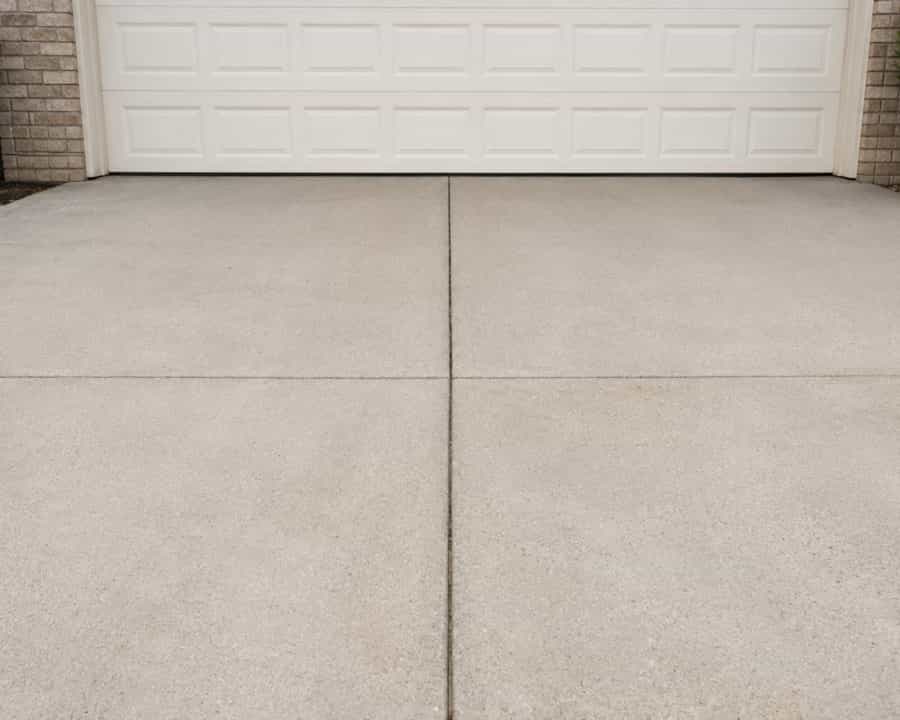
Flatwork
Concrete Driveway Installation & Replacement
Vehicle-rated driveways with engineered thickness, controlled cracking, and drainage that moves water away from your garage.
- Slab thickness
- 5" standard · 6" for RVs & trucks
- Mix strength
- 4,000 PSI
- On-site time
- 3–5 days
- Drive on after
- 7 days
Concrete Driveways — At a Glance
Vehicle-rated driveways with engineered thickness, controlled cracking, and drainage that moves water away from your garage. Dueling Trowels Concrete Solutions provides concrete driveway contractor services across 55 cities in Santa Clara, Alameda, San Mateo, and Santa Cruz counties, including San Jose, Oakland, Fremont, and Sunnyvale. Licensed, insured, and backed by a written workmanship warranty. Free written estimates.
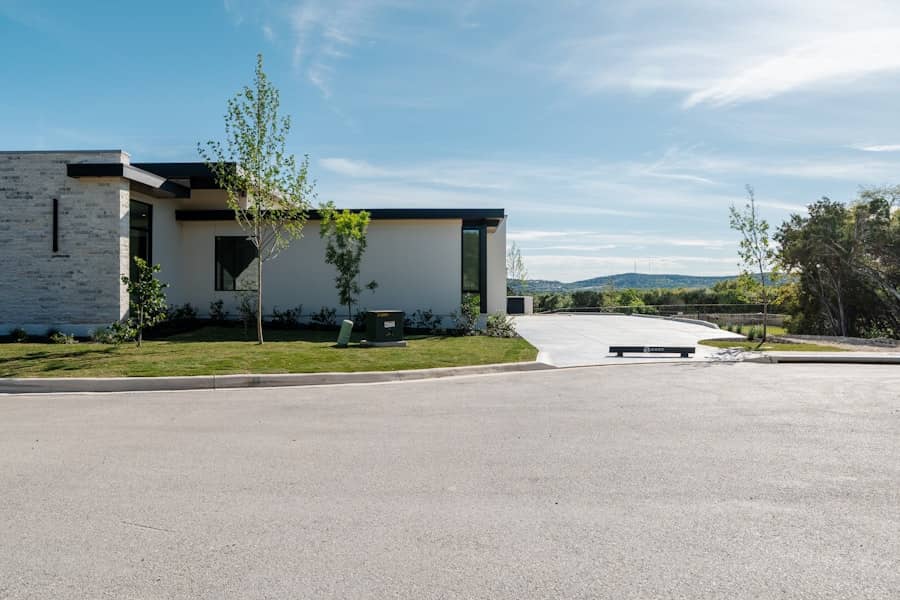
01
A Driveway Is the Hardest-Working Surface on Your Property
Your driveway absorbs more concentrated weight than anything else you own outdoors. Every vehicle that parks on it puts thousands of pounds through four small contact patches, in the same spots, every single day. Add delivery vans, the occasional moving truck, and a garbage truck at the apron once a week, and it becomes clear why driveways fail differently than patios do.
That's why a driveway can't be treated as a large walkway. It needs thickness matched to the vehicles that will actually use it, reinforcement that holds the slab together as the ground moves underneath, and a base compacted properly enough that there are no soft pockets waiting to settle.
We build driveways as replacements for failing slabs, as first-time installs on new construction, and as expansions when a household outgrows a single-width drive. In every case the process starts by looking at what's under the existing surface, because that's usually where the answer is.
In Practice
What a Driveway Rebuild Involves
Four stages, and only one of them is the part most people picture.
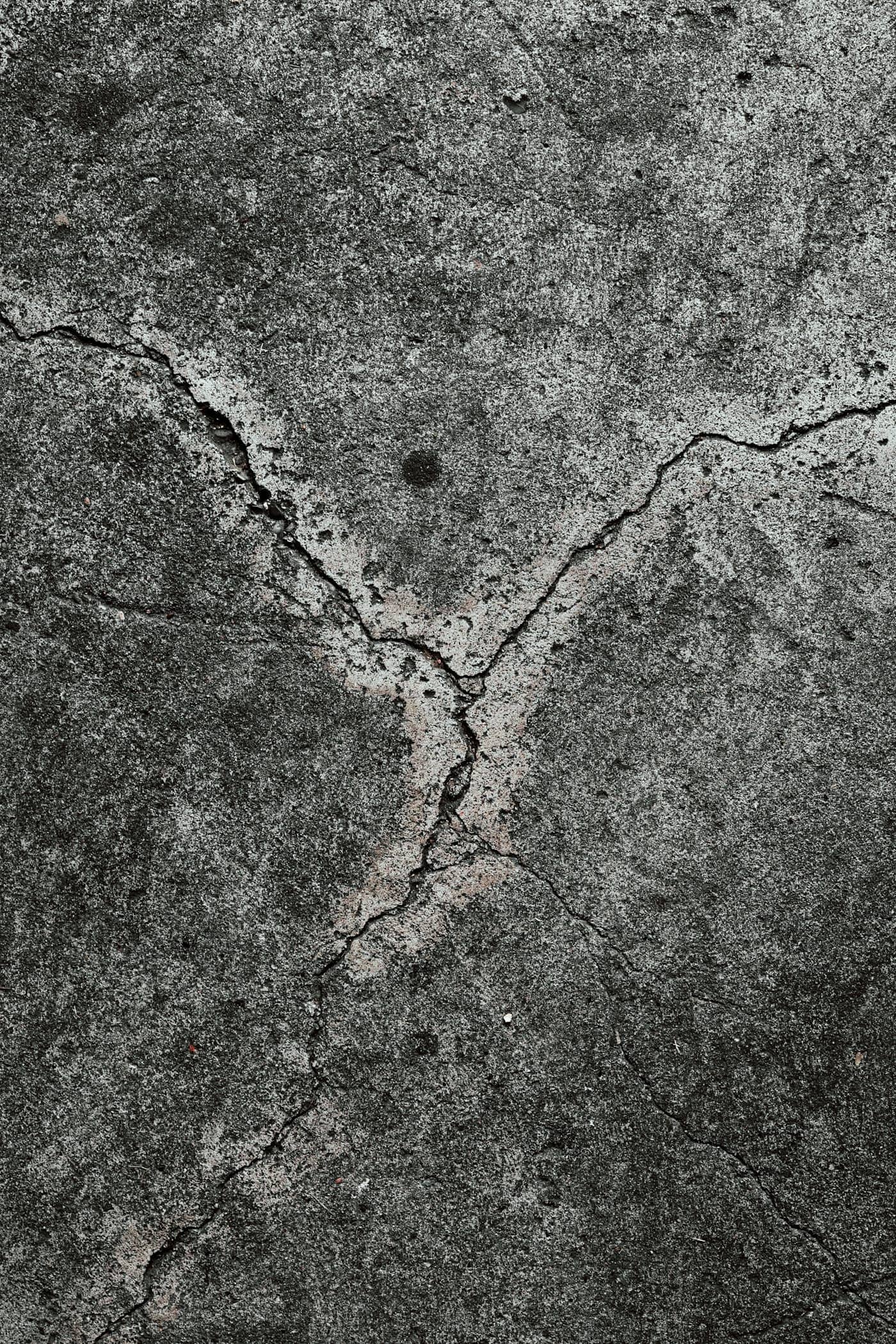 Stage 1
Demolition & haul-away
The old slab comes out entirely. Pouring over failed concrete inherits every problem underneath it.
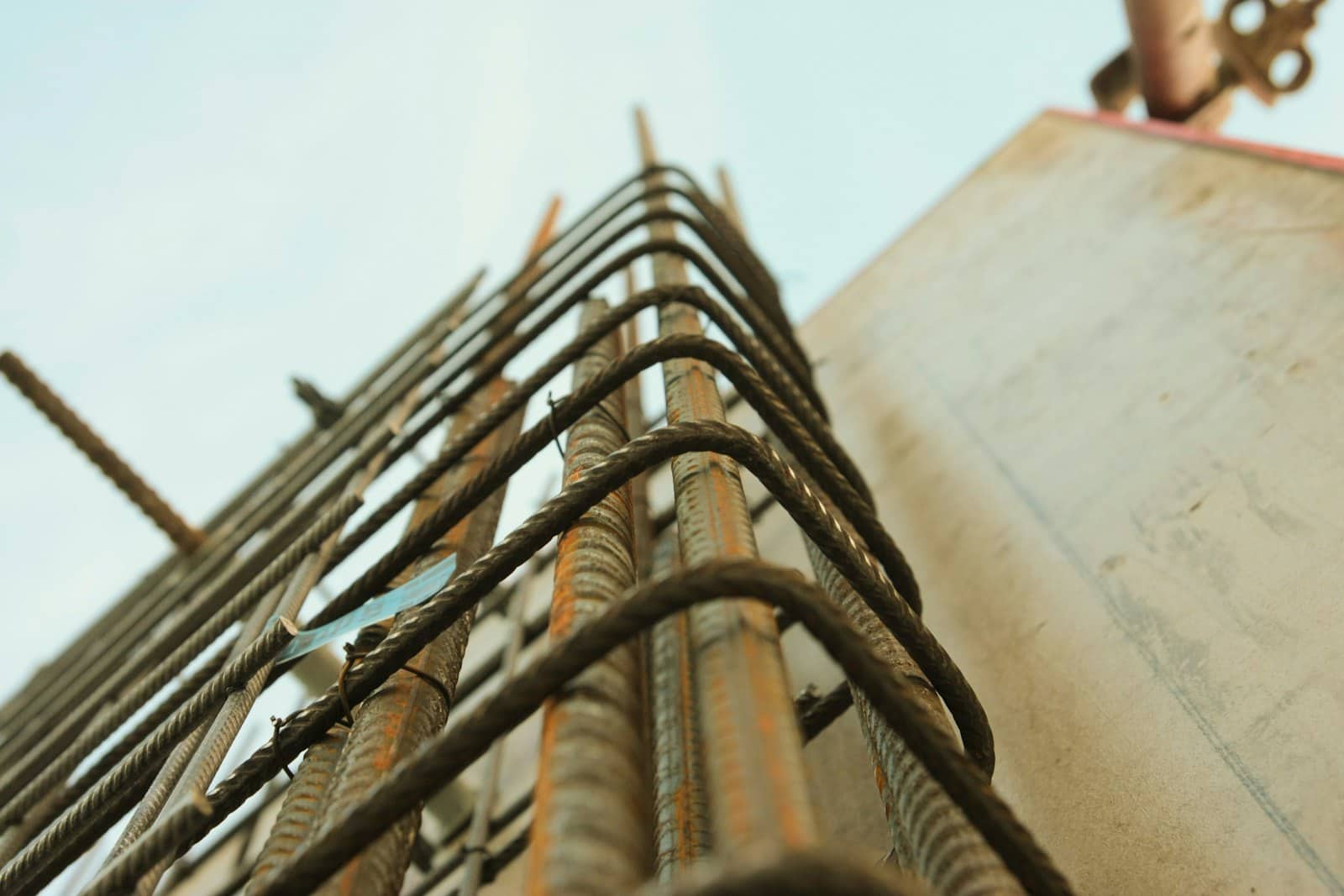 Stage 2
Base & reinforcement
Four to six inches of Class 2 rock compacted in lifts, then rebar tied on 18" centers and chaired.
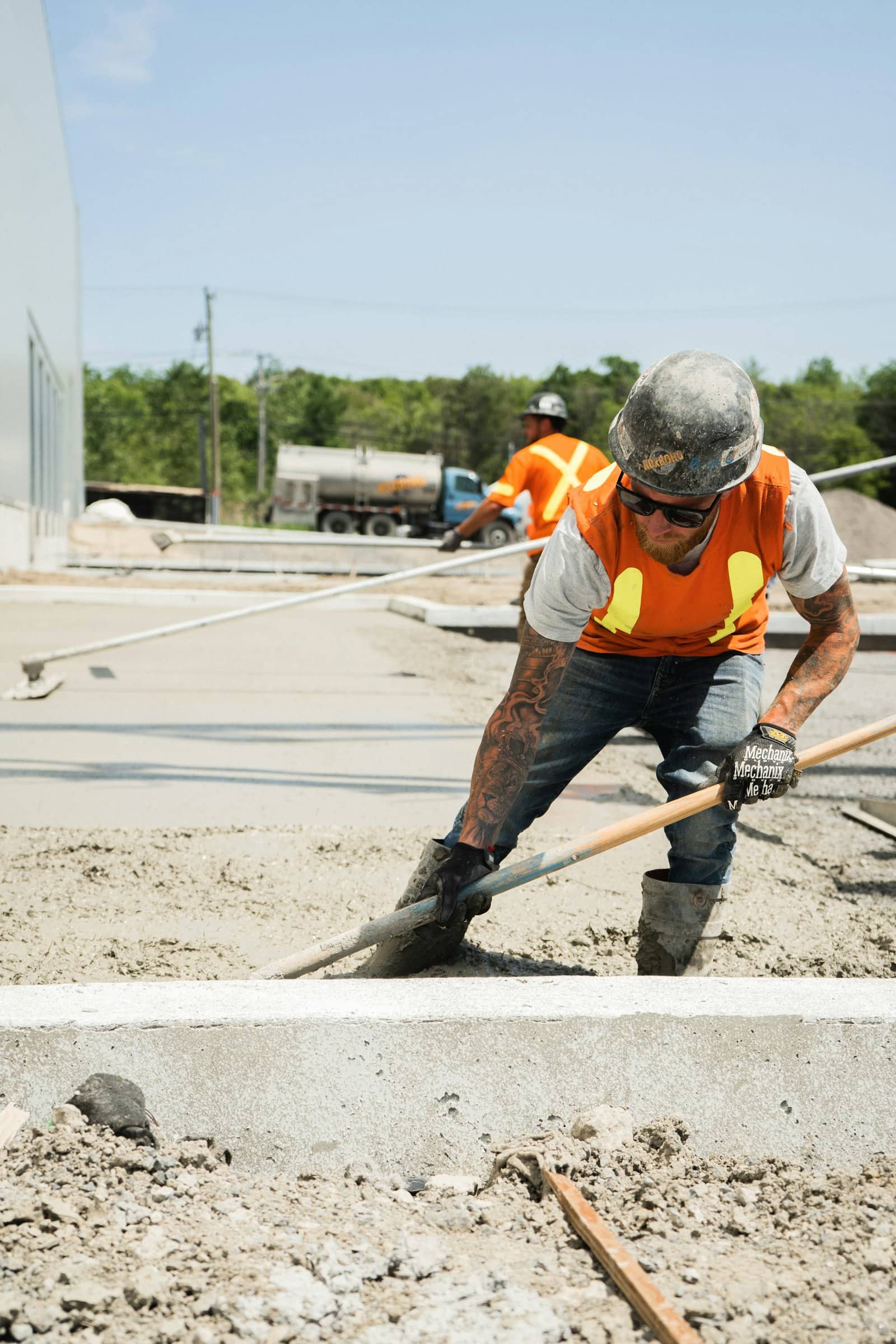 Stage 3
Pour & finish
Placed, screeded, floated, then broom-finished across the direction of travel for wet-weather grip.
What We Engineer Into Every Driveway
Three factors decide whether a driveway looks good in year twenty or needs replacing in year six.
Load Durability
We size slab thickness and reinforcement around the heaviest vehicle that will realistically park there — including the delivery trucks and moving vans you don't think about until they're already parked on it.
Crack Resistance
Rebar or mesh reinforcement holds the slab together, and control joints placed on a proper grid direct shrinkage cracking into cut lines instead of letting it wander across the surface.
Drainage & Grading
Every driveway is sloped to carry water away from your garage door and foundation. Getting this wrong is how homeowners end up with water under the garage door every winter.
How a Driveway Replacement Actually Goes
A typical residential driveway runs about a week from demolition to drivable, depending on size and weather.
Demolition and haul-off
The failing slab is broken out and removed. This is the point where we see what's underneath — and where hidden problems like a failed base or a buried drainage issue show themselves.
Grading and base compaction
Sub-base is graded to the drainage slope and mechanically compacted in lifts. Soft spots get excavated and replaced with compactable material rather than filled and hoped for.
Forming and reinforcement
Forms are set to the finished layout and elevation, and rebar or mesh is placed and supported so it sits within the slab rather than resting on the ground.
Pour, screed, and finish
Concrete is placed, screeded to grade, floated, and finished to the texture you selected. Control joints are cut into the fresh or green concrete on a planned grid.
Curing
The slab is cured under controlled conditions so it develops strength properly. Foot traffic is usually fine within a day or two; vehicles wait about a week.
Driveway Finish Options
All of these are the same underlying slab. The difference is what happens to the surface in the final hours before it sets.
| Finish | Look & Feel | Best Suited To |
|---|---|---|
| Broom | Fine parallel texture, matte gray | The workhorse choice — good traction on sloped drives, lowest cost, easiest to patch later |
| Exposed Aggregate | Pebbled surface with visible stone | Homes wanting texture and hidden dirt tolerance; excellent grip on inclines |
| Stamped | Pressed pattern mimicking stone or brick | Front-facing driveways where curb appeal is the priority |
| Saw-Cut Pattern | Clean geometric scoring in smooth concrete | Modern and contemporary architecture; pairs well with integral color |
| Integral Color | Pigment mixed through the full slab depth | Anyone who wants color that won't wear off — can be combined with any texture above |
04
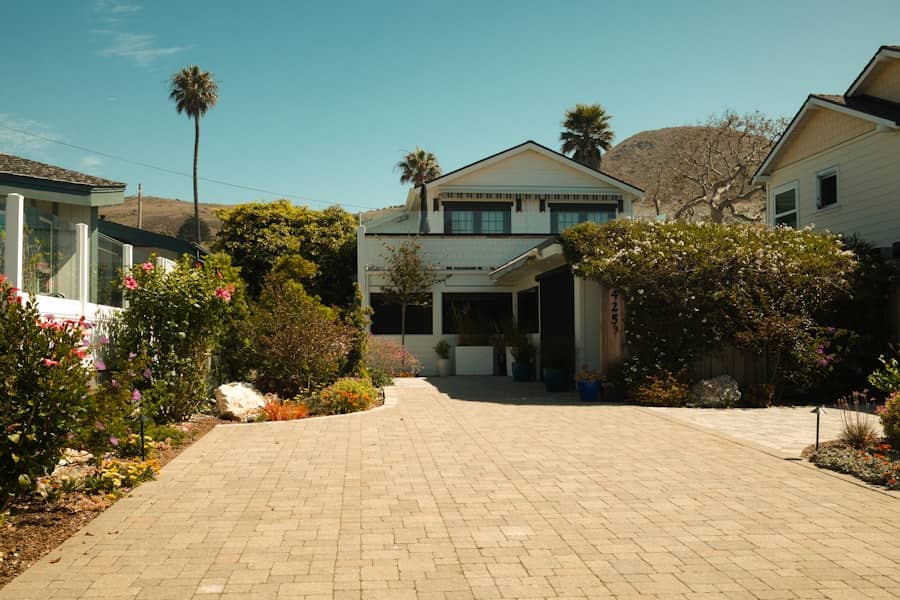
Curb Appeal and What It's Actually Worth
A driveway occupies a large share of everything visible from the street, and it frames the approach to your front door. A cracked, patched, oil-stained drive undercuts an otherwise well-kept house — and it's one of the first things a buyer registers before they've even parked.
The practical value goes beyond appearance. Concrete's usable life significantly outlasts asphalt, which typically needs resurfacing every fifteen to twenty years. Over the time most people own a home, a concrete driveway installed correctly often needs nothing beyond periodic sealing and the occasional joint caulk.
If you're weighing resale, a driveway in visibly good condition removes an objection rather than adding a feature. Buyers rarely pay a premium for good concrete, but they absolutely discount for bad concrete — and they discount by more than the repair would have cost.
Driveway Projects
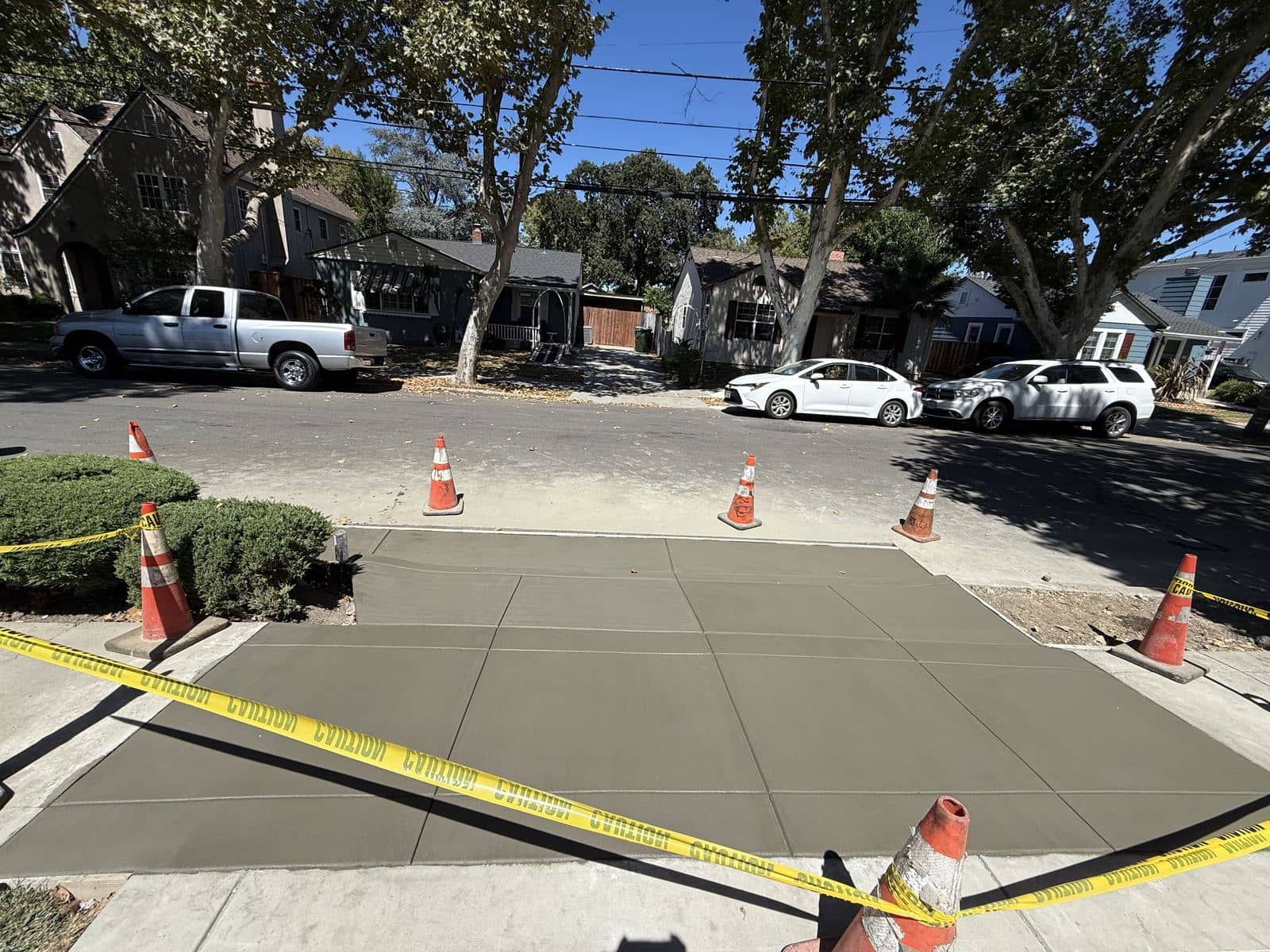
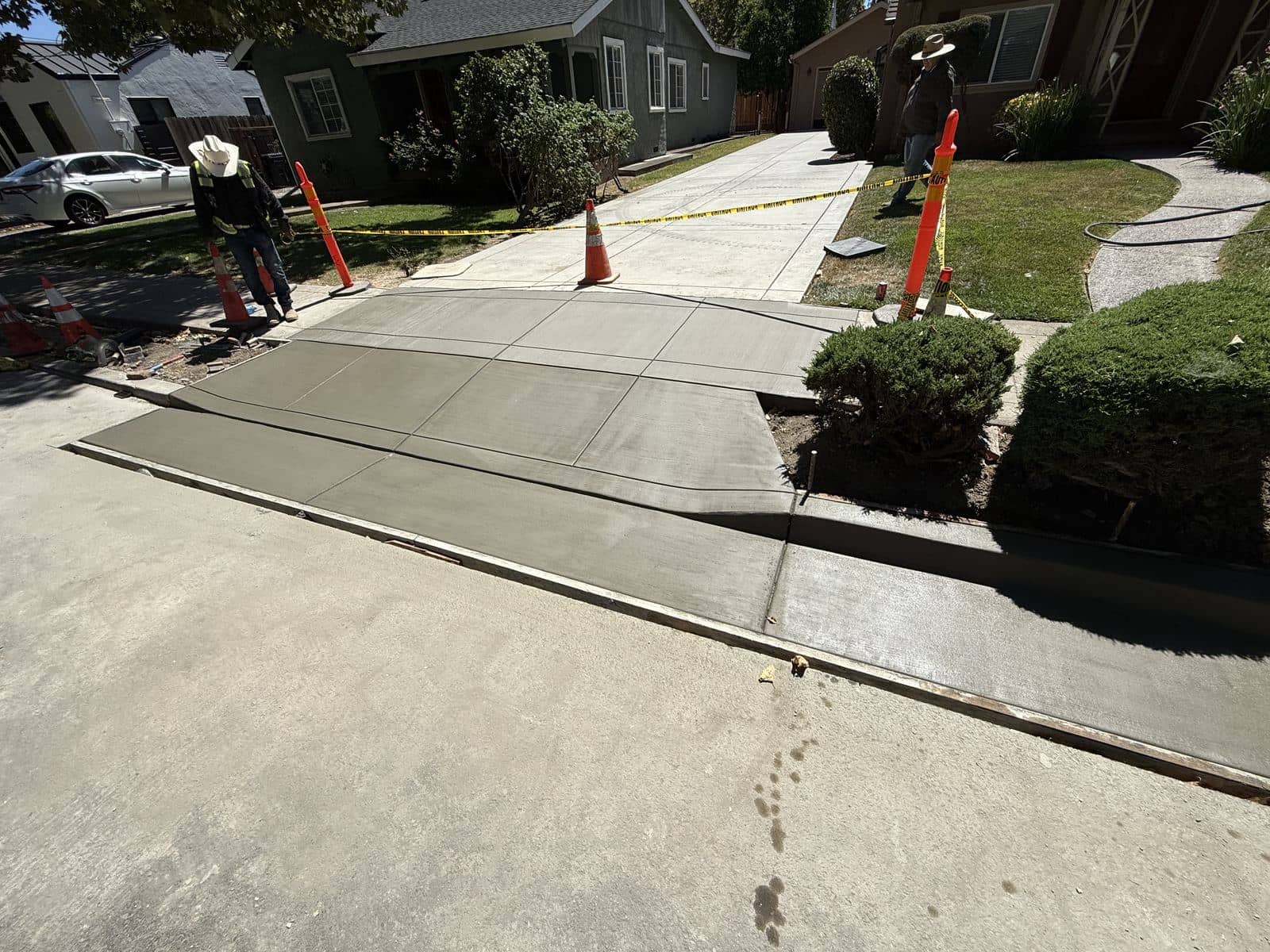
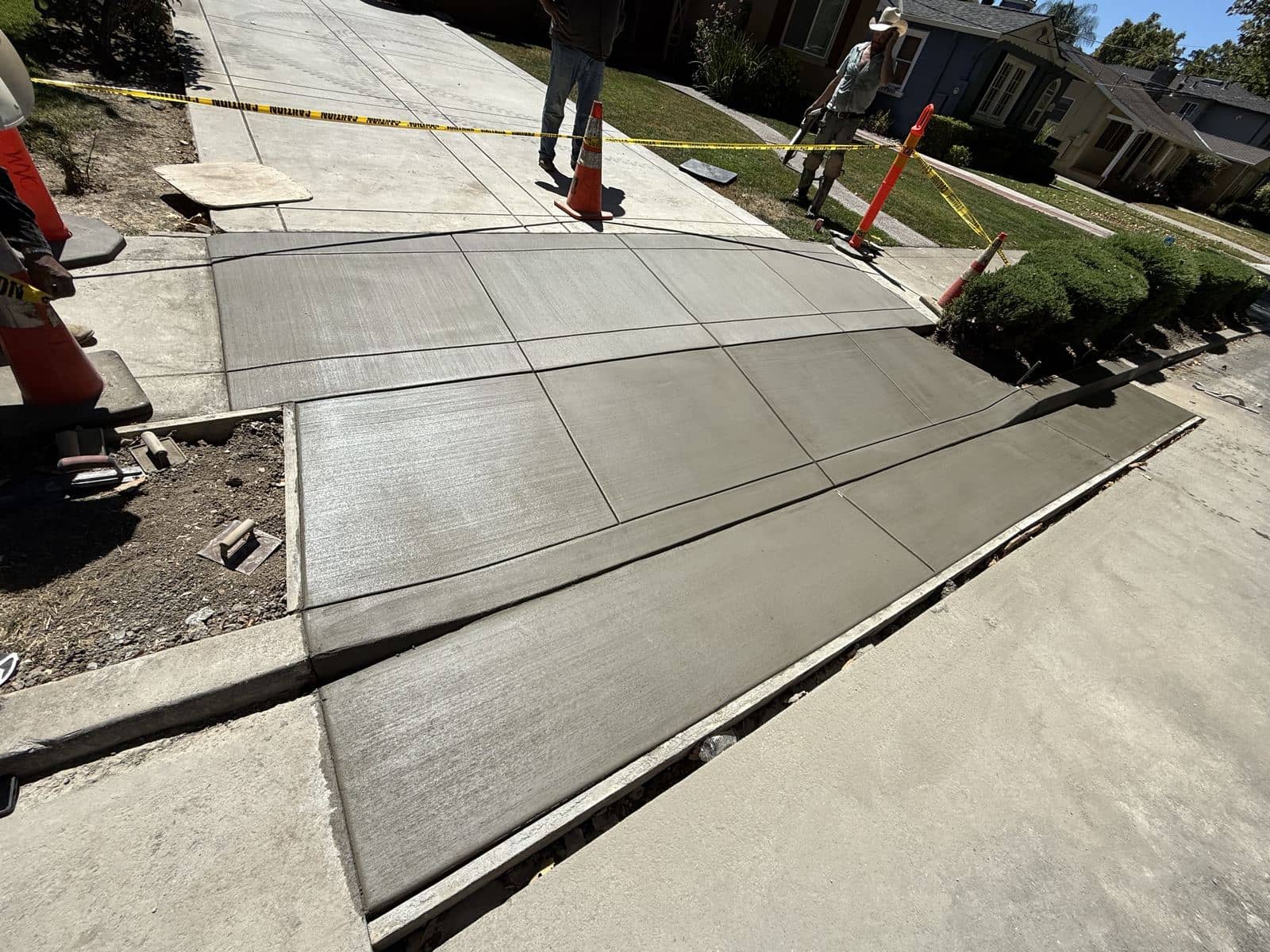
A look at finish styles and layouts in completed driveway work.
 Driveways
 Driveways
 Driveways
Driveway Questions
Transformations
Concrete Driveways: Before & After
Representative comparisons of the condition we're typically called to, and what the finished work achieves. Drag the handle across each frame.
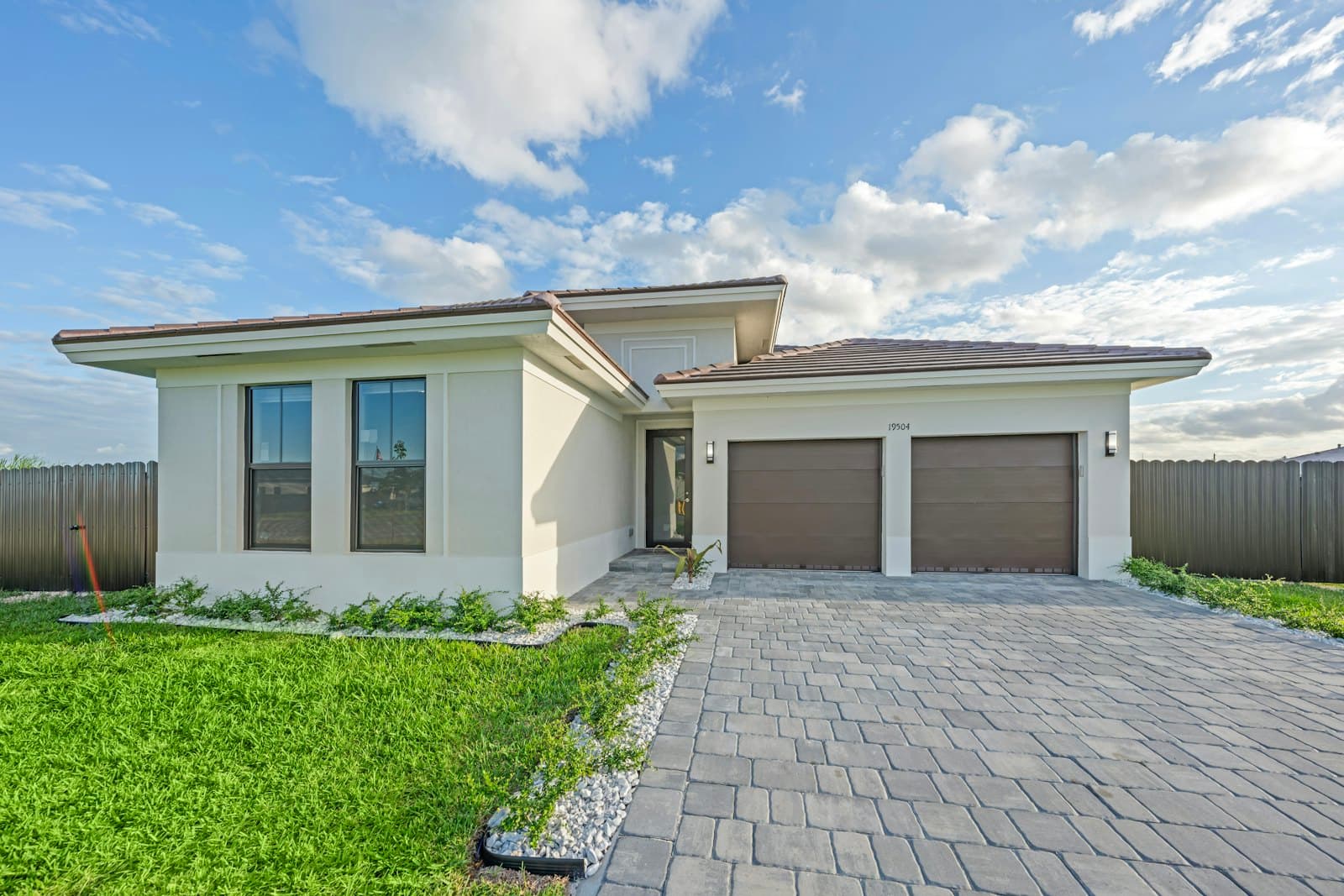
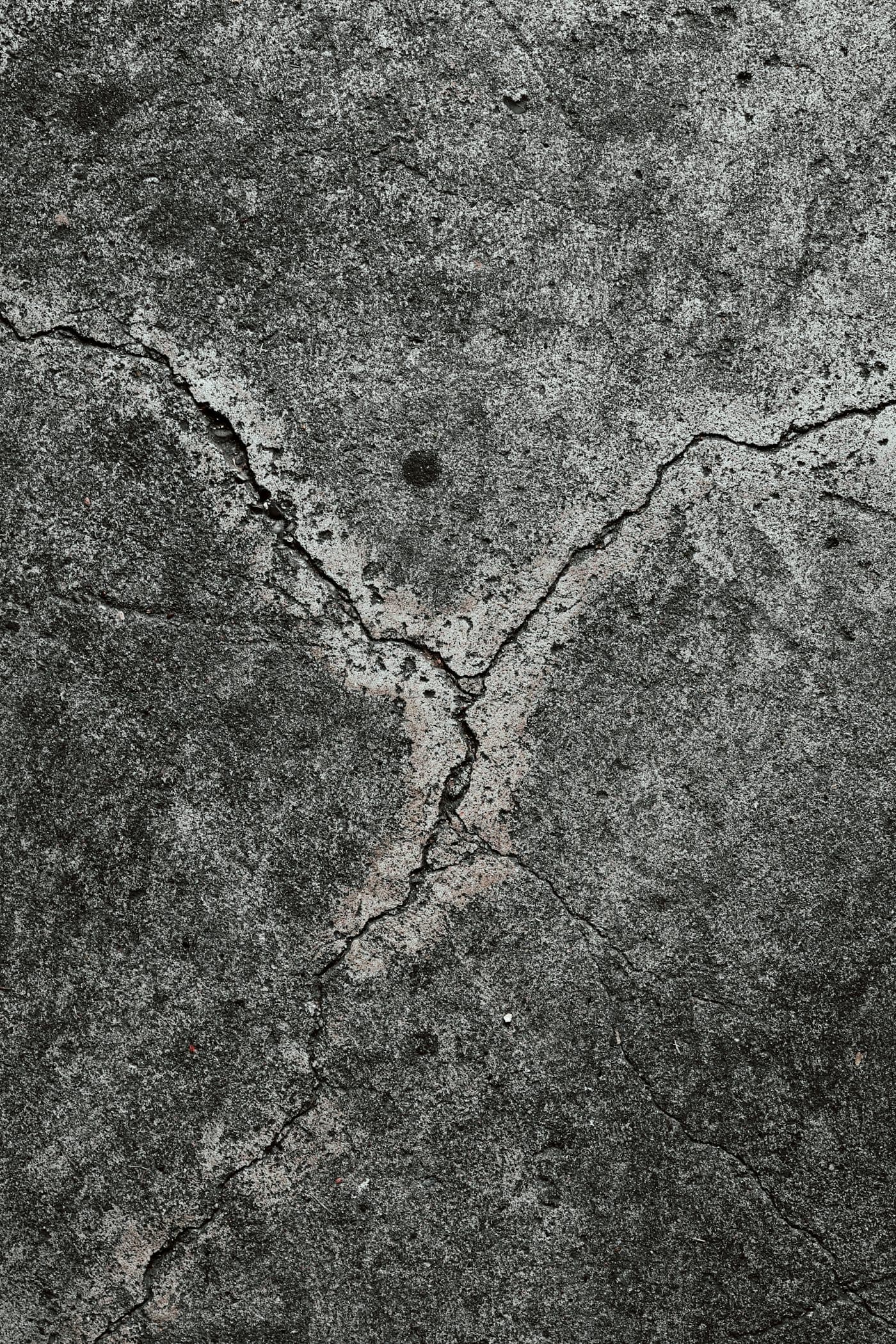
Typical 1960s tract home
Driveway replacement
A driveway poured at three and a half inches on uncompacted native soil, cracked through in three places and settling toward the garage. Replacement went in at five inches over six inches of compacted Class 2 base, with rebar chaired into the slab and the fall reversed away from the house.
- Water now runs to the street instead of the garage slab
- Thickness and reinforcement rated for two modern vehicles
- Control joints cut on a grid, so future movement is directed
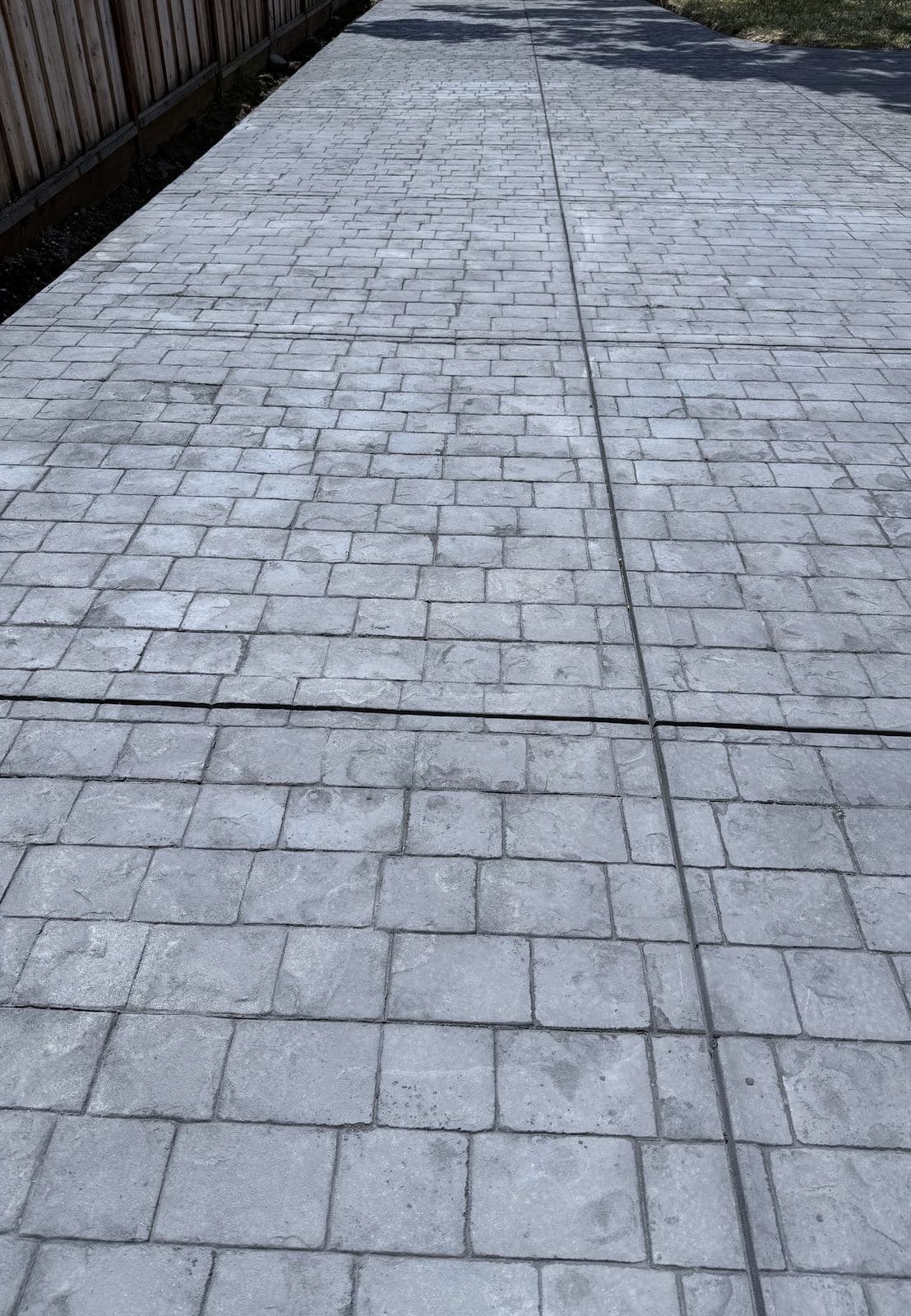
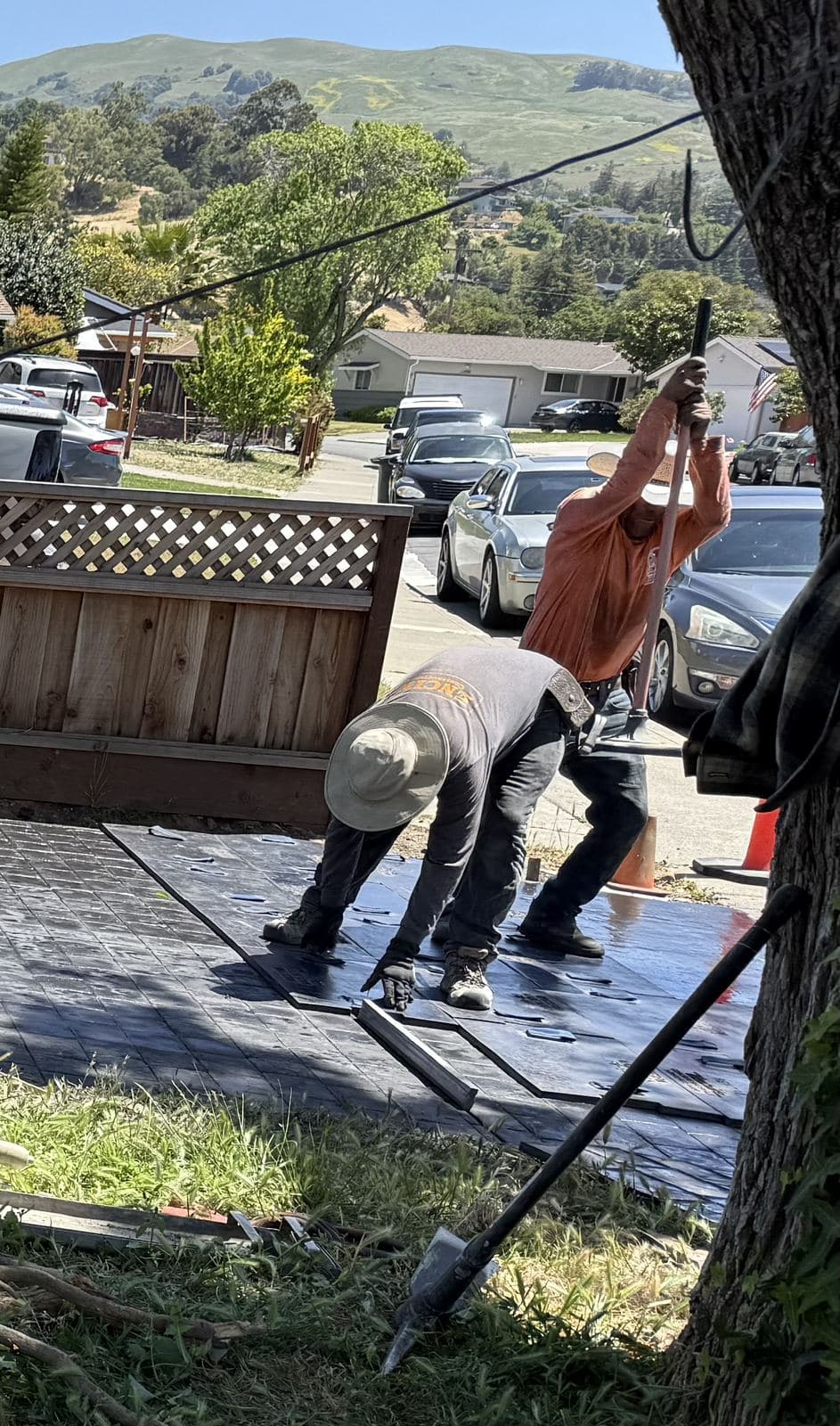
Bay Area driveway build
Stamped driveway installation
Stamping has to happen while the slab is still plastic, which gives a narrow window to set the pattern, texture, and joint lines correctly across the whole pour before it sets up. Cured and sealed, it reads as cut stone rather than poured concrete.
- Ashlar stone pattern set consistently across the full driveway
- Joint lines placed to read as natural stone coursing
- Sealed finish protects the color and texture from tire wear
Drag the handle — or use the arrow keys — to compare the condition before and after.
More Concrete Flatwork Services
Related work we handle, often on the same project as this one.
Often Quoted Alongside This
Work from our other category that regularly shows up on the same site visit.
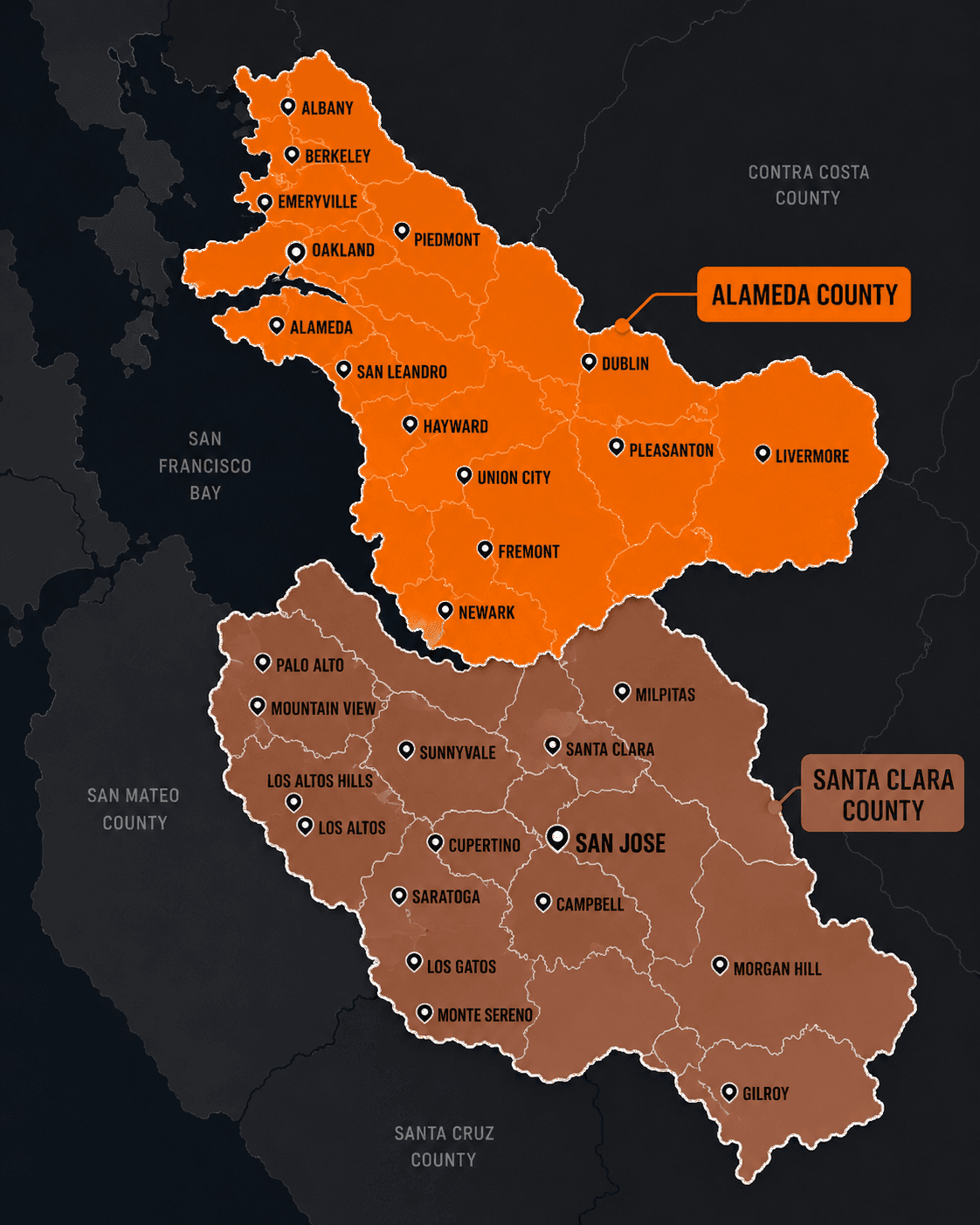
55 Cities Served
Santa Clara, Alameda, San Mateo & Santa Cruz counties
Service Area
Where We Provide Concrete Driveways
We provide concrete driveways across 55 cities in Santa Clara, Alameda, San Mateo, and Santa Cruz counties. Ground conditions, permitting, and the failure modes we see vary city by city, so each has its own page.
Counties
Read Before You Decide
Guides from our Learning Center that bear directly on this kind of work.
People Also Ask
The questions we're asked most about concrete driveways, each answered in full.
Get a Free Driveway Estimate
We'll look at your existing drive, tell you honestly whether it needs replacing or just repair, and put a written number in front of you.