Quick answer
How long does a concrete driveway last?
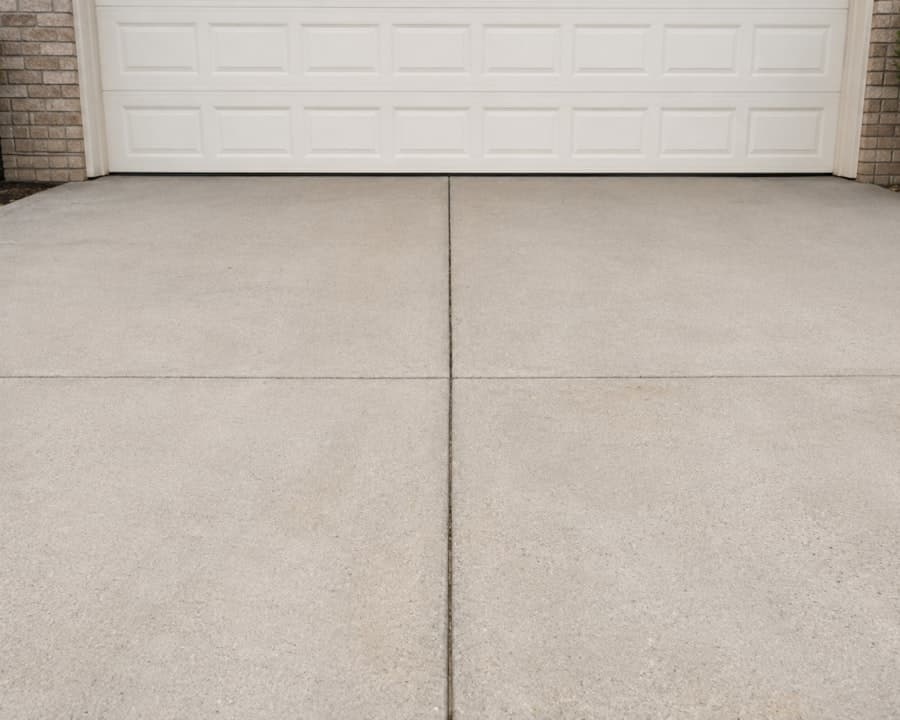
A properly built concrete driveway lasts 30–50 years, and often longer in the Bay Area's mild climate. A driveway built on poor base preparation, under-thickness, or with bad drainage typically starts failing in 8–15 years. The concrete itself is rarely what determines the difference — the six inches underneath it are.
- Well-built
- 30–50+ years
- Poorly built
- 8–15 years
- Asphalt, for comparison
- 15–20 years
- Biggest single factor
- Base preparation
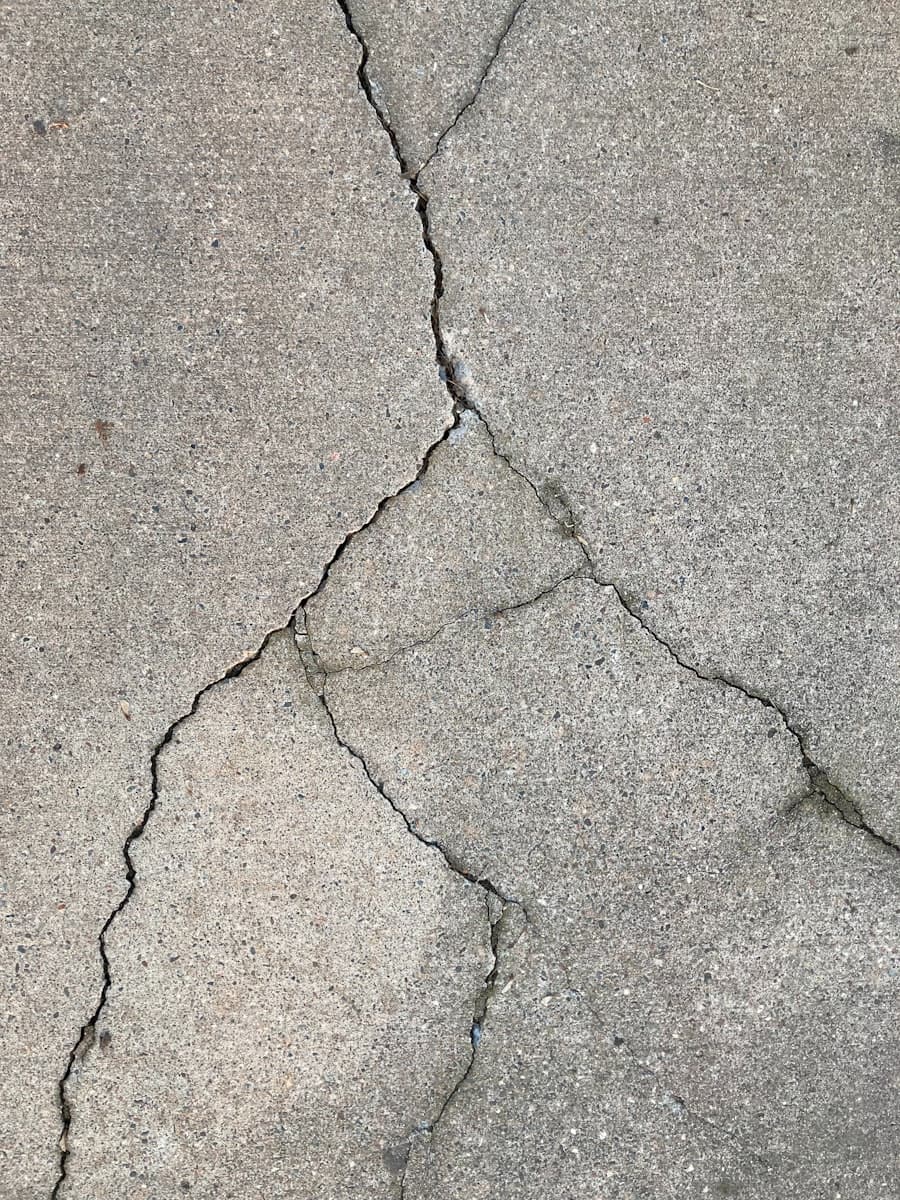
There's a wide gap between the two answers you'll get to this question, and both are true. Drive through any established Bay Area neighborhood and you'll find driveways poured in the 1970s that are still flat, sound, and perfectly serviceable. In the same neighborhood you'll find driveways poured eleven years ago that are cracked into pieces and sinking at the apron.
Same climate, same soil, roughly the same cars. The difference is almost never the concrete. Both slabs came from the same kind of truck with the same kind of mix. What separated them was decided before a single yard was poured, and it's mostly invisible once the job is finished — which is exactly why it's so easy for a contractor to skip.
This guide covers what actually sets the lifespan, how to work out which kind of driveway you have, and what you can do from here to add years to it.
Lifespan by material and build quality
Why the range is so wide
Concrete as a material is close to inert. Left undisturbed and properly supported, it holds up for a very long time — there are Roman concrete structures still standing after two thousand years, and while that's a different chemistry, the underlying point stands. Concrete does not wear out on a schedule the way a roof or a water heater does.
What concrete does badly is bend. It's roughly ten times stronger in compression than in tension, which means a slab supported evenly across its whole underside can carry loads more or less indefinitely, while the same slab spanning a void will crack the first time something heavy sits over the gap.
So a driveway's life expectancy is really a question about the ground. How well was it compacted? Does water drain away from it or collect under it? Was enough slab poured to bridge the small soft spots that inevitably develop? Every one of those questions is answered during the two days before the pour, and none of them are visible in the finished product.
You are not really buying concrete. You're buying the preparation underneath it — the concrete is just the part you can see.
The five things that decide it
In rough order of impact, here's what separates a thirty-year driveway from a twelve-year one.
What determines a driveway's lifespan
Each of these is a decision made by whoever built it. Together they account for the overwhelming majority of early failures we're called out to.
Base preparation
The compacted aggregate layer between the soil and the slab. This is the single biggest variable, and the easiest to cut.
- Standard is 4–6 inches of Class 2 aggregate base over compacted subgrade.
- It has to be compacted in lifts — placed a few inches at a time and run over with a plate compactor or roller between each. Dumping six inches and rolling the top produces a layer that looks right and settles for a decade.
- On expansive clay soils, which cover large parts of Fremont, Livermore, Pleasanton, and the east side of San Jose, base depth is doing double duty: it also buffers the seasonal swell and shrink of the ground underneath.
Drainage and grading
Where water goes when it rains, and whether any of it ends up under the slab.
- The surface should fall roughly 1/8 to 1/4 inch per foot away from the house and off the driveway edges.
- Water that ponds on a slab isn't a disaster; water that runs off the edge and soaks in against the slab edge repeatedly is. It softens the base at the perimeter, which is why edge cracking and corner settlement are so common.
- Downspouts discharging onto or beside a driveway are one of the most reliable predictors of early failure we see.
Slab thickness
How much concrete is between your tires and the base, matched to the heaviest thing that will ever sit on it.
- 4 inches is the residential minimum and is genuinely fine for cars only.
- 5–6 inches is what we recommend where an RV, a boat trailer, a work truck, or regular delivery vehicles are in the picture.
- Thickness is what lets a slab bridge a soft spot rather than crack over it. It buys forgiveness for everything else.
Reinforcement
Steel that handles the tension concrete can't, and holds the two sides of a crack together once one forms.
- #3 or #4 rebar on an 18-inch grid is the standard residential specification.
- It must be chaired up into the middle third of the slab. Rebar lying on the base does essentially nothing — it's in the wrong place to resist bending.
- Reinforcement doesn't prevent cracks. It keeps a crack that does form tight, level, and cosmetic instead of open and stepped.
Joint layout and curing
Where the slab is allowed to crack, and how it's protected while it gains strength.
- Control joints should be cut within 6–18 hours of the pour, to about a quarter of the slab depth, on a grid no more than 10–12 feet in either direction for a 4-inch slab.
- Panels should stay roughly square. Long thin panels crack across the middle regardless of everything else.
- The slab needs to be kept damp for the first several days. A slab left to bake dry in day-two sun has a permanently weaker, more porous surface that will scale and stain for the rest of its life.
What's underneath a driveway that lasts
What Bay Area conditions do to a driveway
Local climate is genuinely kind to concrete here, and it's worth understanding why — a lot of the maintenance advice online is written for the Midwest and simply doesn't apply.
Freeze-thaw damage, which is the dominant failure mode for concrete across most of the United States, is essentially a non-issue across Santa Clara and Alameda counties. Water gets into the pores of concrete, freezes, expands about nine percent, and blows the surface apart over repeated cycles. We get a handful of light frosts a year in the coldest inland pockets — Livermore, Gilroy, Morgan Hill — and almost none along the bay. De-icing salt, which accelerates the same damage, is not part of life here either.
What we have instead is soil. Large parts of the region sit on expansive clay that swells substantially when it gets wet in winter and shrinks back as it dries through summer. That's a slow seasonal push-and-pull under every slab in the neighborhood, and it's why base depth and drainage matter more locally than mix strength does. A slab on well-drained, well-compacted aggregate rides the movement out. A slab sitting straight on clay gets lifted and dropped a fraction of an inch a year until something gives.
The second local factor is heat and sun. Summer pours in the inland valleys carry a genuine risk of the surface drying before hydration is established, which produces a weak top layer that scales years later. That's a scheduling and curing question, not a materials one.
Typical lifespan by scenario
Realistic expectations for the Bay Area, assuming normal residential use.
| Scenario | Expected life | How it usually ends |
|---|---|---|
| 6" slab, 6" compacted base, rebar, good drainage, sealed on schedule | 40–50+ years | Surface wear and cosmetic joint deterioration long before any structural problem. Usually replaced for aesthetics, not failure. |
| 4" slab, 4" base, rebar, adequate drainage | 30–40 years | Gradual joint widening and a few settlement cracks. Very repairable. |
| 4" slab, minimal base, wire mesh instead of rebar | 15–25 years | Cracks at panel centers, mild differential settlement, edge spalling. |
| 4" slab poured on ungraded soil, no reinforcement, poor drainage | 8–15 years | Multiple through-cracks, sections sitting at different heights, apron dropping away from the street. |
| Any slab with an unresolved drainage problem | Halved | Repeated saturation of the base at one edge. Fails locally and keeps failing after each repair until the water is dealt with. |
Ranges assume passenger vehicles. Regular heavy loads on a 4-inch slab compress these figures substantially.
How to tell what you've got
If you've moved into a house with an existing driveway and want to know where you stand, you can learn a surprising amount without any equipment.
Walk it after heavy rain. That's the single most informative thing you can do. Where does the water go? Does it sheet off the sides and away from the house, or is it pooling in the middle, running toward the garage, or disappearing into a joint? Standing water and water heading toward the structure are the two findings that matter.
A ten-minute driveway assessment
Work through these and you'll have a clear picture of whether you're maintaining or planning.
0 of 8 checked
Which cracks matter
What you can actually do to extend it
If your driveway is structurally sound, the maintenance that moves the needle is short and unglamorous. There's no product that adds a decade. There are three habits that do.
Keep water away from it. Extend downspouts past the slab edge, keep the soil beside the driveway graded to fall away rather than pond, and clear the gutter that discharges near it. More driveways are killed by water than by traffic.
Seal it on schedule. Every 2–3 years for a broom-finished driveway in this climate, closer to every 2 for decorative work. Sealer reduces water absorption and staining, and it's cheap relative to what it protects.
Fix cracks and joints while they're small. An open crack is a direct path for water into the base. Filling a hairline crack with a flexible concrete caulk is a twenty-minute job; excavating and replacing a settled panel is not.
Maintenance that pays for itself
| Task | How often | Why it matters |
|---|---|---|
| Sweep and rinse | Monthly | Grit acts like sandpaper under tires and wears through sealer prematurely. Organic debris left in joints holds moisture. |
| Reseal | Every 2–3 years | Reduces water absorption, resists oil and staining, slows surface wear. The highest-value maintenance task there is. |
| Fill cracks and re-caulk joints | Annually, as needed | Keeps water out of the base. A 1/8-inch crack ignored for five years becomes a settled panel. |
| Clean oil and fuel spills | Immediately | Petroleum products penetrate unsealed concrete within hours and are effectively permanent once they do. |
| Check drainage after storms | Twice a year | Catches downspout, grading, and gutter problems before they've had a wet season to work on the base. |
| Professional assessment | Every 10 years, or when something changes | Cheap, and it catches settlement early enough that a section repair is still an option. |
What the end of a driveway's life looks like
A Santa Clara County replacement. The original slab was poured directly on graded soil with no aggregate base and no reinforcement — a common specification in the 1980s and a guaranteed twenty-year driveway.
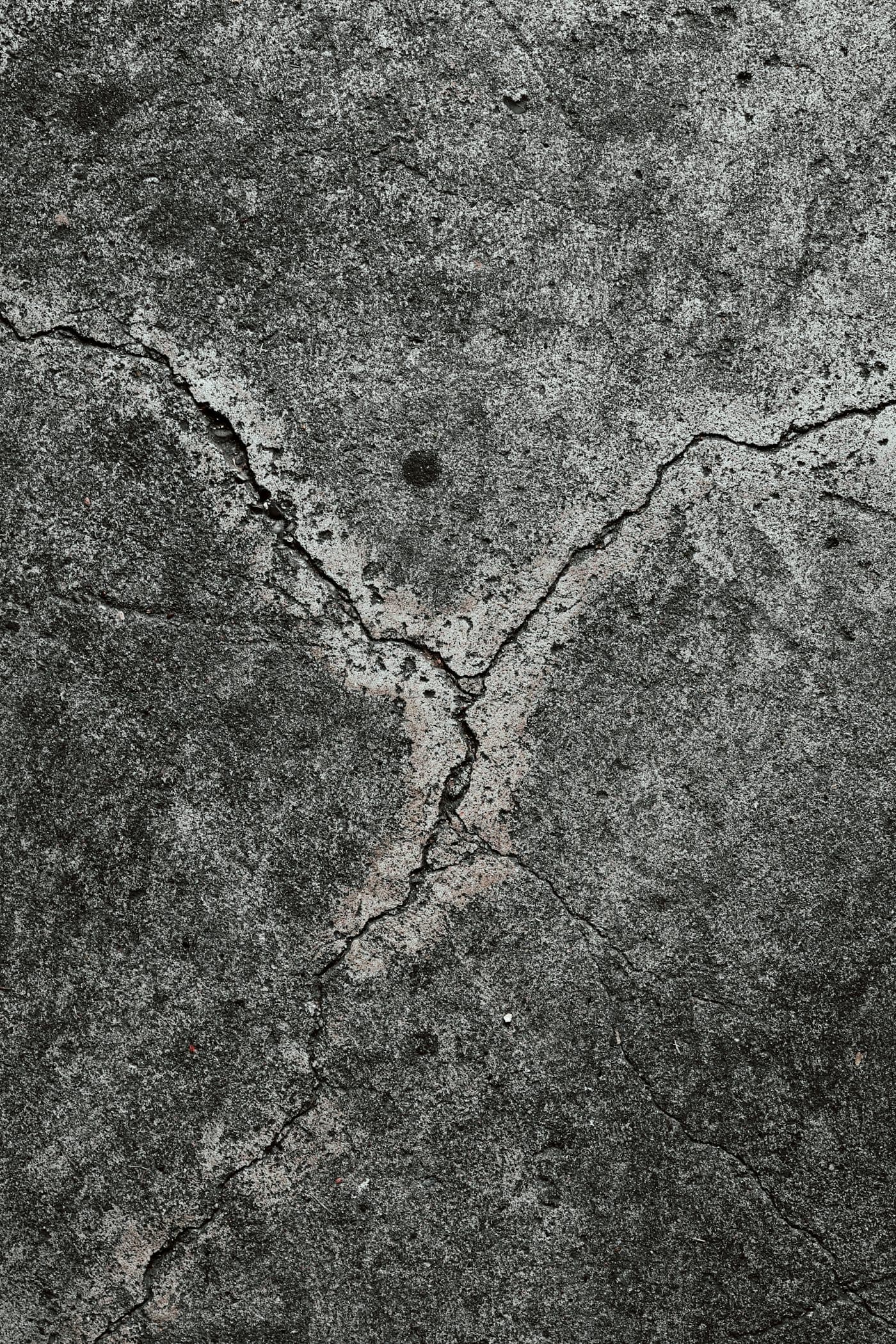
Full replacement after 23 years
Multiple through-cracks with height differences across them, and an apron that had dropped nearly an inch below the street. Repair wasn't viable because the base itself had never been built. Rebuilt with 6 inches of compacted Class 2 base, a 5-inch slab, and #4 rebar at 18 inches.
- 6" compacted aggregate base placed in two lifts
- 5" slab at 4,000 PSI with #4 rebar chaired to mid-depth
- Regraded to fall away from the garage and off both edges
- Joint grid resized to keep panels square
When to stop maintaining and start planning
There's a point where continuing to patch is throwing money at a slab that's already decided what it's doing. The signals are fairly clear.
Multiple panels sitting at different heights means the base is moving, and no surface treatment addresses that. Cracks that reopen within a year of being filled mean something underneath is still moving. And if more than roughly a third of the surface is affected, sectional repair usually costs enough that replacement is better value over the next thirty years.
The counterpoint is that a structurally sound slab with an ugly surface is a resurfacing candidate, not a replacement candidate — and resurfacing is typically 40–60% of the cost of tearing out and starting again. The distinction is entirely about whether the problem is in the surface or underneath it.
Work out which situation you're in
If you've found problems in the assessment above, these are the next reads.
Common questions about driveway lifespan
Key takeaways
- A well-built concrete driveway lasts 30–50 years. A badly built one fails in 8–15. The concrete is the same in both cases.
- Base preparation and drainage decide lifespan far more than mix strength does.
- In the Bay Area, expansive clay soil is the dominant stress on a slab — not freeze-thaw, and not de-icing salt.
- Cracks are normal. Height differences across cracks are not.
- Three habits extend life meaningfully: keep water away, seal every 2–3 years, and fill cracks while they're small.
- Replace when panels have moved relative to each other. Resurface when only the surface has failed.
Still deciding?
Ask us about your specific project
We'll give you a straight answer on the phone, including when that means telling you that you don't need the work you asked about. Free written estimates across San Jose & the greater Bay Area.