Quick answer
Are pavers or concrete better for a driveway?
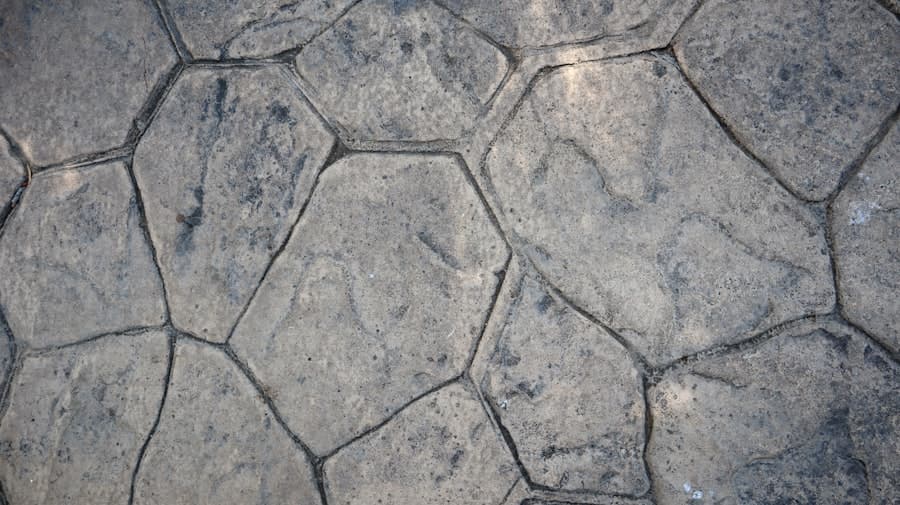
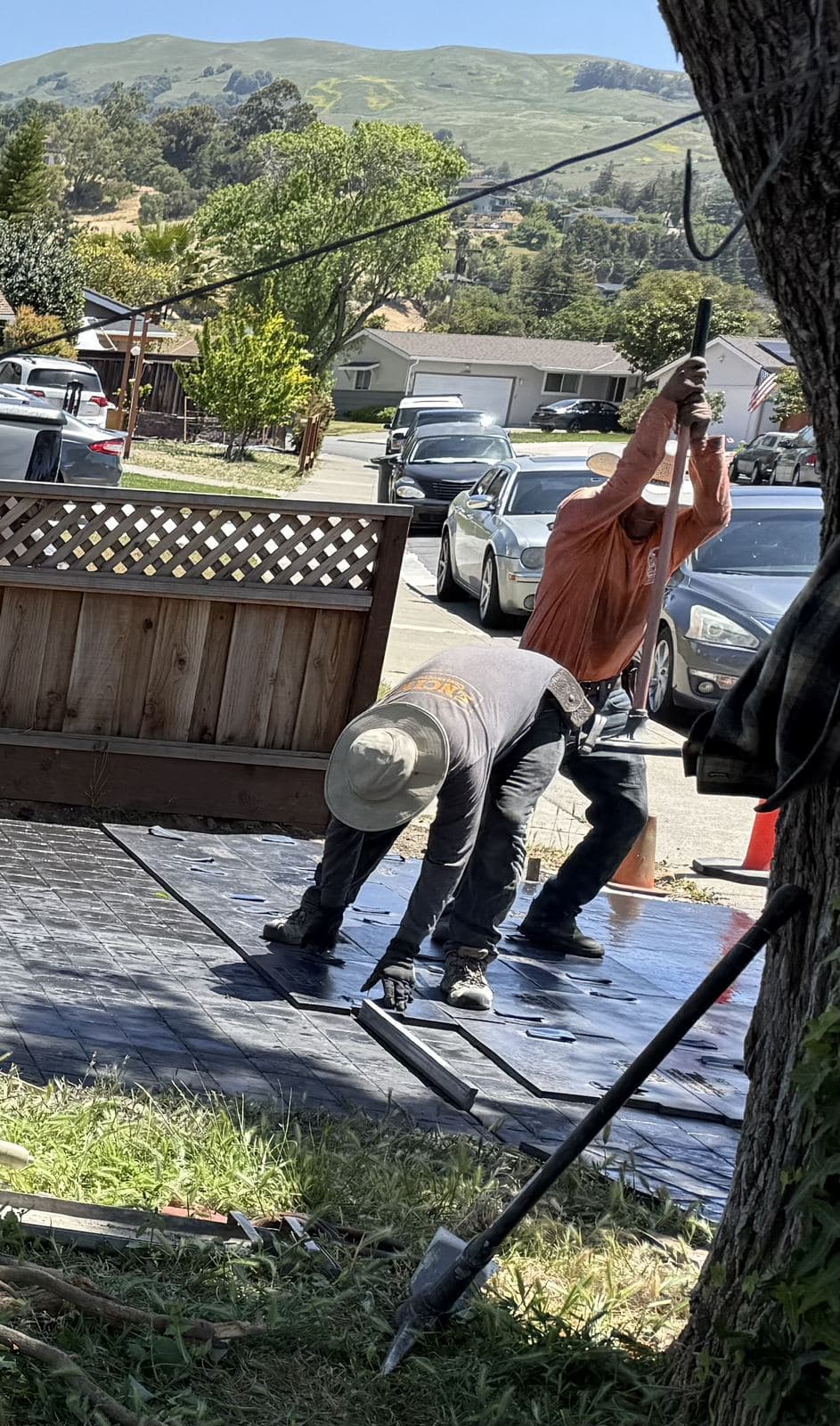
Concrete is cheaper and lower-maintenance: in the Bay Area a broom-finished concrete driveway runs about $12–$18 per square foot installed, while interlocking pavers typically run $18–$30. Concrete has no joints for weeds and lasts 30–50 years when built properly. Pavers cost more but can be lifted and relaid if the ground settles or a utility line has to be reached, and they offer more pattern choices. Stamped concrete sits in between, giving a paver-like look as a single slab.
- Concrete (broom)
- $12–$18 / sq ft
- Stamped concrete
- $18–$28 / sq ft
- Interlocking pavers
- $18–$30 / sq ft
- Pavers' big advantage
- Repairable in sections
Driveway cost comparison
Typical Bay Area installed prices for a residential driveway, including base preparation.
- Concrete, broom finish$12–$18
Lowest cost, lowest maintenance.
- Concrete, exposed aggregate$15–$22
Best traction, hides stains.
- Stamped concrete$18–$28
Paver or stone look as one slab.
- Interlocking pavers$18–$30
Most pattern choice; repairable.
per square foot installed
How each one is built
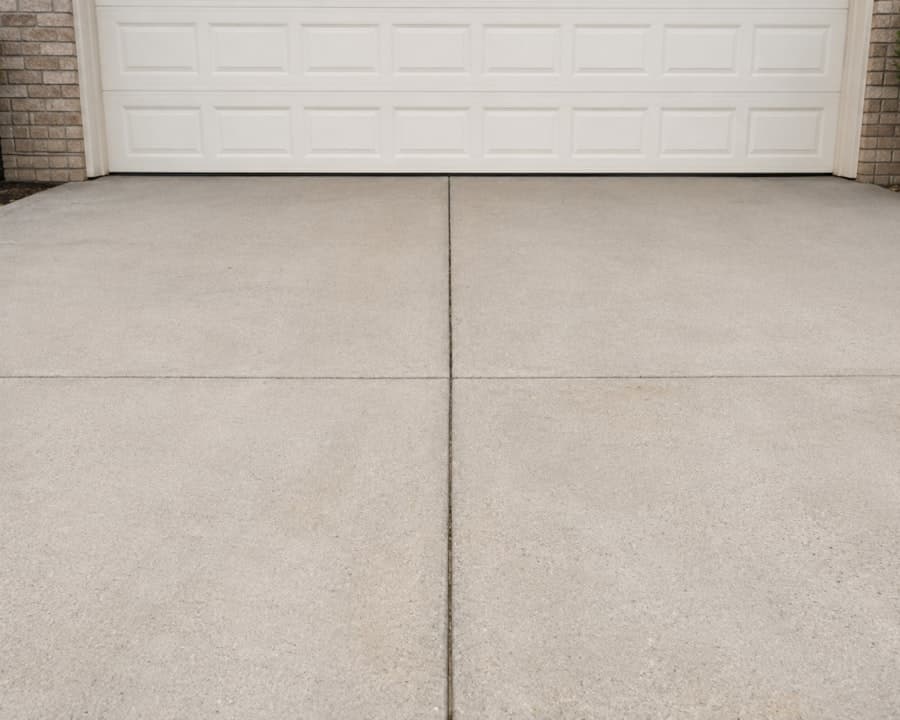
A concrete driveway is a single reinforced slab, typically five inches thick for cars, poured over a compacted gravel base, with control joints cut to manage shrinkage cracking. Once cured, it's monolithic — one rigid piece that spreads loads across the base.
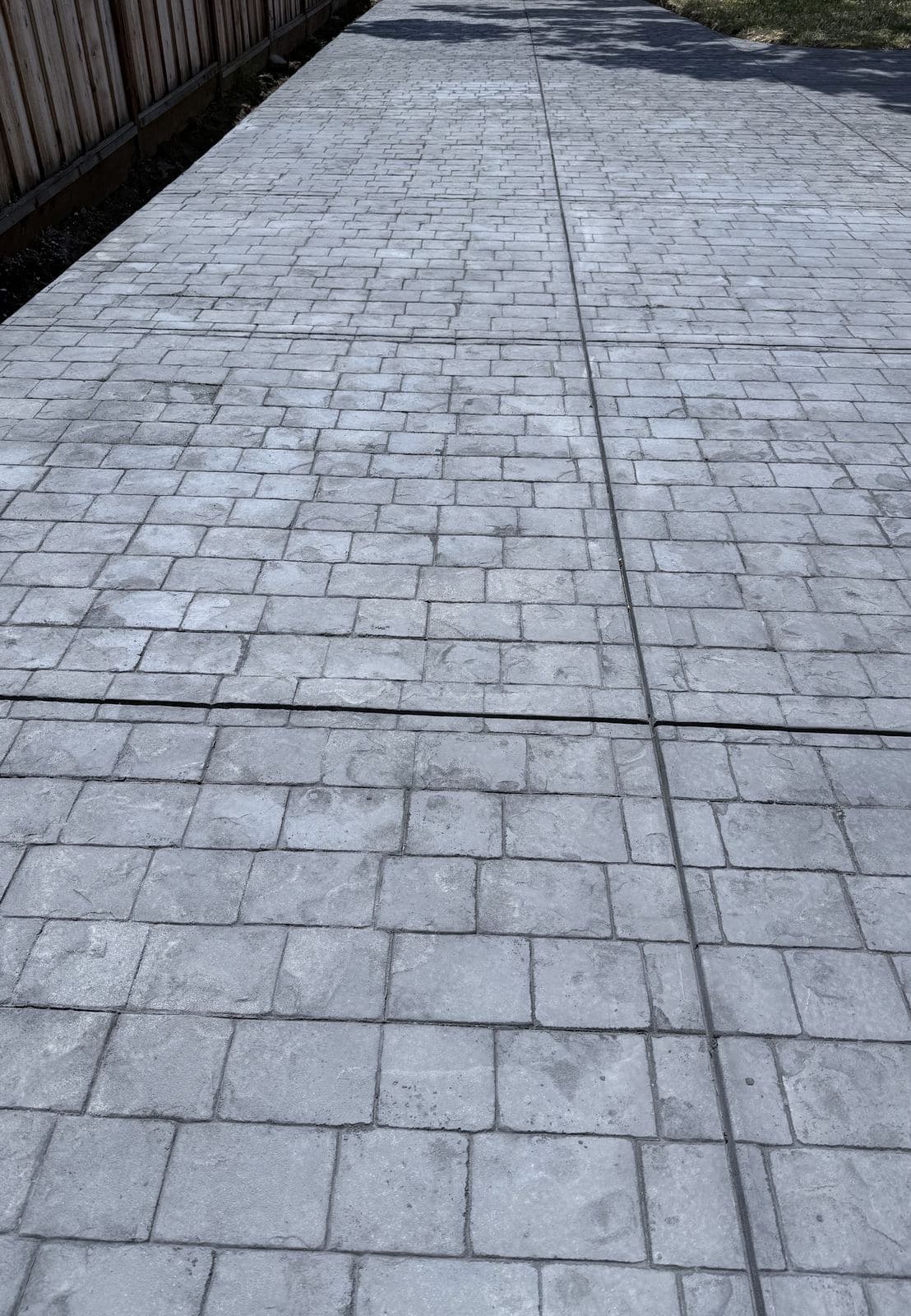
A paver driveway is thousands of individual concrete or stone units laid on a thin bed of sand over a thick compacted base, with edge restraints holding the field in place and joint sand locking the units together. The pavers themselves are very strong; the system's performance depends almost entirely on the base and the edge restraint.
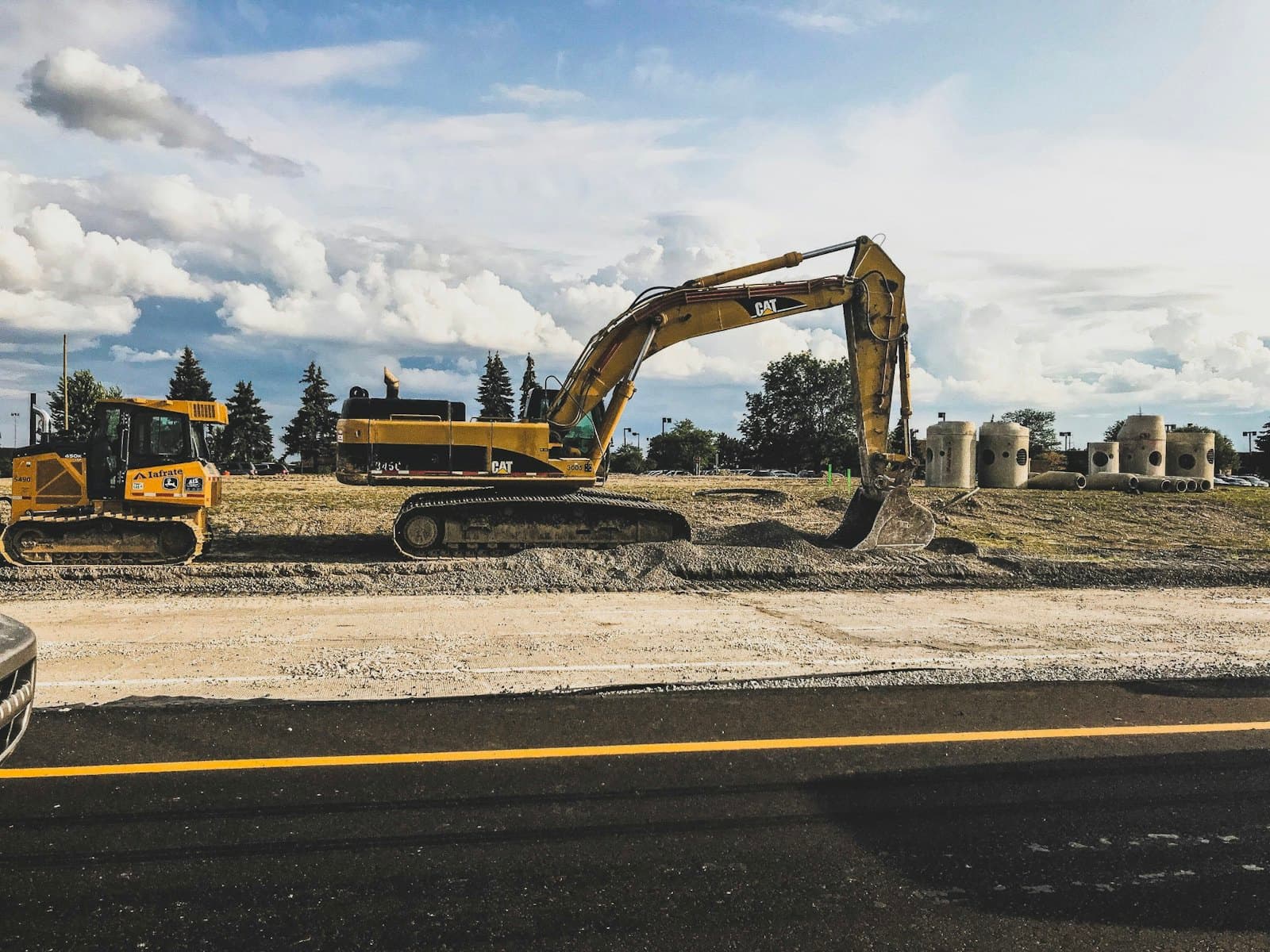
Both depend on the same thing underneath: a properly excavated, compacted base that drains. Neither a slab nor pavers can make up for a soft, wet subgrade.
Pavers vs. concrete
Poured concrete
Pros
- Lower installed cost
- No joints for weeds or ants
- Smooth surface, easy to sweep and snow-shovel
- 30–50 year lifespan built properly
- Decorative options: stamped, exposed aggregate, color
Cons
- Cracks if the base moves — repairs show
- Hard to match new concrete to old
- Utility work means cutting the slab
Verdict — Best value for most driveways.
Interlocking pavers
Pros
- Individual units can be lifted and relaid
- Wide range of shapes and colors
- No large cracks — joints absorb small movement
- Permeable paver systems can drain through
Cons
- Higher installed cost
- Joint sand washes out and weeds grow
- Units can settle or shift without good edge restraint
- Re-sanding and sealing needed periodically
Verdict — Worth it for the look and repairability, if the budget allows.
The middle ground: stamped concrete
Side-by-side
| Concrete | Pavers | |
|---|---|---|
| Installed cost | $12–$18 / sq ft (broom) | $18–$30 / sq ft |
| Lifespan | 30–50 years built properly | Long-lived units; base and sand need upkeep |
| Weeds | None in the field | Weeds and ants in joints |
| Repairs | Patch or replace sections; shows | Lift and relay units; blends in |
| Maintenance | Seal every 2–3 years | Re-sand joints, seal, control weeds |
| Look | Broom, aggregate, stamped, color | Many shapes, colors, patterns |
| Utility access | Saw-cut and repour | Lift units and replace |
Which lasts longer?
Both can last for decades when the base is right. A well-built concrete driveway typically lasts 30–50 years in the Bay Area's mild climate. Paver units themselves are extremely durable, but paver driveways need ongoing attention — joint sand replenished, weeds controlled, and occasional relaying of any area that settles.
The failure modes differ. Concrete fails dramatically when the base moves: a crack, a sunken panel, a stepped edge. Pavers fail gradually: ruts in wheel paths, individual units sinking, edges spreading. The paver failure is easier and cheaper to fix in one spot; the concrete failure is less likely if the base was built right in the first place.
Choose concrete if…
- Budget matters and you want the lowest cost per square foot
- You want minimal maintenance and no weeds
- The ground is stable and drainage is good
- You like a clean, modern look — or want stamped or exposed aggregate
Choose pavers if…
- You want a specific paver style or color pattern
- Utility lines run under the driveway and may need access
- You'd rather relay a few units than patch a slab
- The budget allows a higher upfront cost and ongoing upkeep
What goes under each surface
The base under a paver driveway is usually deeper than under a concrete slab, because the pavers themselves don't spread load the way a rigid slab does. A typical paver driveway uses a substantial depth of compacted aggregate, then about an inch of bedding sand, then the pavers, compacted into the sand with a plate compactor and finished with joint sand.
A concrete driveway uses a thinner base — commonly four to six inches of compacted aggregate — because the slab itself spreads the load. The slab carries more of the structural work; the base supports it evenly and drains.
Edge restraint is critical for pavers. Without a concrete curb, a buried concrete haunch, or a manufactured edge restraint anchored into the base, the outer pavers creep outward under traffic and the whole field loosens. Concrete needs no edge restraint — its edges are part of the slab.
Base preparation is the common ground
Maintenance over twenty years
A concrete driveway's routine maintenance is simple: sweep it, clean oil promptly, seal it every two to three years, and keep the joints sealed. Over twenty years that's perhaps seven or eight sealing cycles and occasional crack sealing.
A paver driveway needs its joints topped up with sand as rain and sweeping wash it out, weeds pulled or treated, and periodic sealing if you want to stabilize the sand and keep the color fresh. Polymeric joint sand reduces washout and weeds but still needs renewal over time. Any areas that rut or settle need to be lifted, the base corrected, and the pavers relaid.
Neither is maintenance-free. The difference is that concrete maintenance is mostly preventive and cheap, while paver maintenance is more frequent but each repair is small and blends in.
Twenty-year ownership comparison
| Item | Concrete driveway | Paver driveway |
|---|---|---|
| Installation | Lower | Higher |
| Routine cleaning | Sweep, rinse | Sweep, rinse, weed joints |
| Sealing | Every 2–3 years | Periodically, plus joint sand |
| Typical repair | Seal cracks; replace a panel | Relay a settled area |
| Repair visibility | Patches show | Repairs blend in |
| Utility access | Saw-cut and repour | Lift and relay |
Drainage, permeability, and local rules
Conventional pavers and concrete both shed water across their surface, so both need to be graded to drain away from the garage and house. Permeable paver systems are different: wide joints filled with open-graded stone let water pass through into a deep, open base that stores and infiltrates it.
Some Bay Area cities have stormwater requirements for projects that add or replace large impervious areas, and permeable surfaces can help meet them. For a typical single-family driveway replacement, standard concrete or pavers graded correctly is usually fine, but it's worth checking with your city if you're expanding the paved area significantly.
Permeable surfaces need the right soil underneath to work, and on heavy clay the water may not infiltrate well — which is one reason a designer's input matters for permeable systems.
Looks and resale
Pavers offer the widest range of looks — tumbled cobblestones, large-format slabs, herringbone and basketweave patterns, and blended colors. Concrete offers a narrower but still broad range: clean broom finishes, exposed aggregate with natural stone, integral colors, saw-cut patterns, and stamped textures that imitate stone and brick.
For resale, condition matters more than material. A clean, level, crack-free concrete driveway reads better than a rutted paver driveway full of weeds, and vice versa. Choose the surface that suits the house and that you'll actually maintain.
Other driveway options worth knowing
Asphalt is the most common alternative to both. It costs roughly half as much as concrete to install, but lasts 15–20 years compared with concrete's 30–50, needs sealcoating every few years, and softens in summer heat. It suits long rural drives and tight budgets better than most suburban Bay Area driveways.
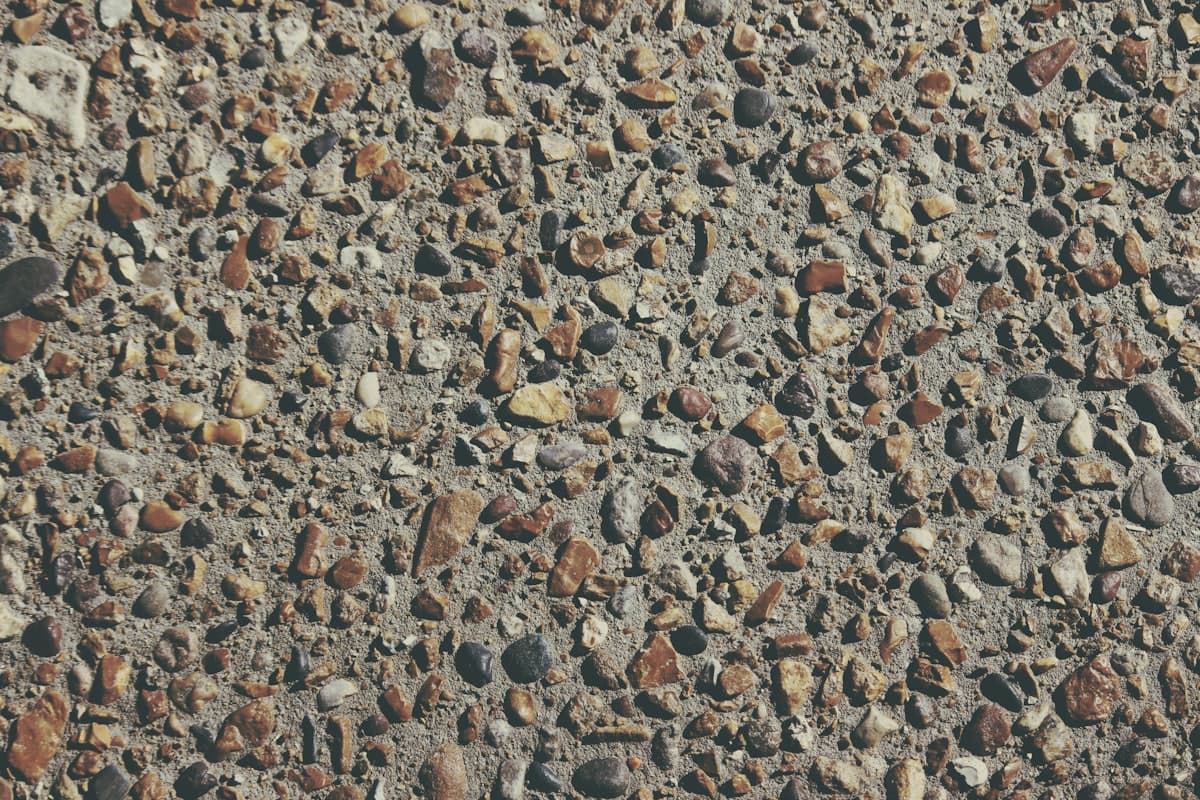
Exposed aggregate concrete is worth a separate mention because it bridges the practical and decorative: natural stone texture, the best wet traction of any concrete finish, excellent stain-hiding, and lower maintenance than stamped work, at $15–$22 per square foot.
Resin-bound gravel overlays can renew a sound existing concrete driveway without demolition, giving a seamless, permeable, natural-stone surface. They make the most sense when the slab underneath still has good structural life.
All driveway surfaces at a glance
| Surface | Typical installed cost | Lifespan | Upkeep |
|---|---|---|---|
| Asphalt | About half of concrete | 15–20 years | Sealcoat every few years |
| Concrete, broom | $12–$18 / sq ft | 30–50 years | Seal every 2–3 years |
| Exposed aggregate | $15–$22 / sq ft | 30–50 years | Seal every 2–3 years |
| Stamped concrete | $18–$28 / sq ft | 30–50 years (slab) | Reseal every 2–3 years |
| Interlocking pavers | $18–$30 / sq ft | Long-lived units | Joint sand, weeds, sealing |
Exposed aggregate as a middle path
Questions to ask any driveway installer
Whichever surface you choose, ask how deep the base will be and how it will be compacted, how water will drain away from the garage and house, how the edges will be finished or restrained, and what the warranty covers. For concrete, ask about thickness, reinforcement, and joint layout. For pavers, ask about edge restraint, bedding sand depth, and joint sand type.
Ask whether the work reaches the public apron or sidewalk and, if so, who pulls the encroachment permit. And get it in writing — written specifications are what let you compare two different quotes fairly.
Repairs over time: a realistic picture
Picture both driveways after fifteen years on typical Bay Area clay. The concrete driveway, built with a good base and rebar, has a few hairline cracks in its joints and perhaps one tight crack across a panel near the street where a utility trench settled. It has been sealed five or six times. If that panel eventually sinks, it can be lifted or replaced — and the new concrete will be a different shade.
The paver driveway has needed its joint sand topped up several times, weeds treated each spring, and an area in the tire path near the garage lifted and relaid after it rutted. The repairs are invisible. It has also been sealed periodically to keep the sand stable and color fresh.
Neither outcome is wrong. The concrete driveway cost less to install and less to maintain but shows its repairs. The paver driveway cost more up front and needs more routine attention but hides its repairs. Your preference between those trade-offs is the real decision.
Key points: pavers vs concrete
- Concrete costs less: about $12–$18 per square foot vs $18–$30 for pavers.
- Concrete has no joints for weeds and lasts 30–50 years when built well.
- Pavers can be lifted and relaid, so repairs blend in.
- Stamped concrete offers a paver-like look as one slab.
- Base preparation decides how either surface performs.
Heat, comfort, and appearance in summer
In hot inland areas, surface temperature affects how a driveway feels and looks. Light-colored concrete reflects more sunlight and stays cooler than dark pavers or dark stamped colors. Pavers in darker tones can get hot to the touch in summer, which matters if children or pets use the driveway as play space.
Over time, sun fades colored concrete and pavers alike. Integral-colored concrete and through-body pavers hold their color better than surface-colored products, and sealing slows fading for both.
Making the decision
If your priorities are cost, low maintenance, and a long life, a well-built concrete driveway — broom-finished, exposed aggregate, or stamped — is usually the right choice. If you love a specific paver style, expect utility work under the driveway, or prefer repairs that disappear, pavers are worth the higher cost and upkeep.
Either way, get the base right, plan the drainage, and choose a contractor who puts the specifications in writing.
Installation time and disruption
A concrete driveway replacement typically takes three to five days on site, followed by about a week of curing before cars can use it. A paver driveway often takes longer to install because each unit is placed by hand and cuts are made at the edges and around obstacles, but it can usually be driven on as soon as it's compacted and sanded.
Plan for parking elsewhere either way. For concrete, the curing week is the inconvenience; for pavers, the longer installation is. Many homeowners schedule the work around travel or a period when they need the driveway least.
Noise and dust are similar during demolition and base preparation for both, since that part of the work is the same.
Pavers vs. concrete questions
Explore driveway options
Standards & references
The published standards and code sections this guide draws on. Requirements vary by jurisdiction — your local building department has the final word.
- ACI 332-20: Residential Code Requirements for Structural Concrete — American Concrete Institute
- ACI 310R-13: Guide to Decorative Concrete — American Concrete Institute
Still deciding?
Ask us about your specific project
We'll give you a straight answer on the phone, including when that means telling you that you don't need the work you asked about. Free written estimates across San Jose & the greater Bay Area.