Learning Center · Maintenance
Maintenance & Repair
Cracks, sealing, cleaning, resurfacing, and the honest repair-versus-replace decision.
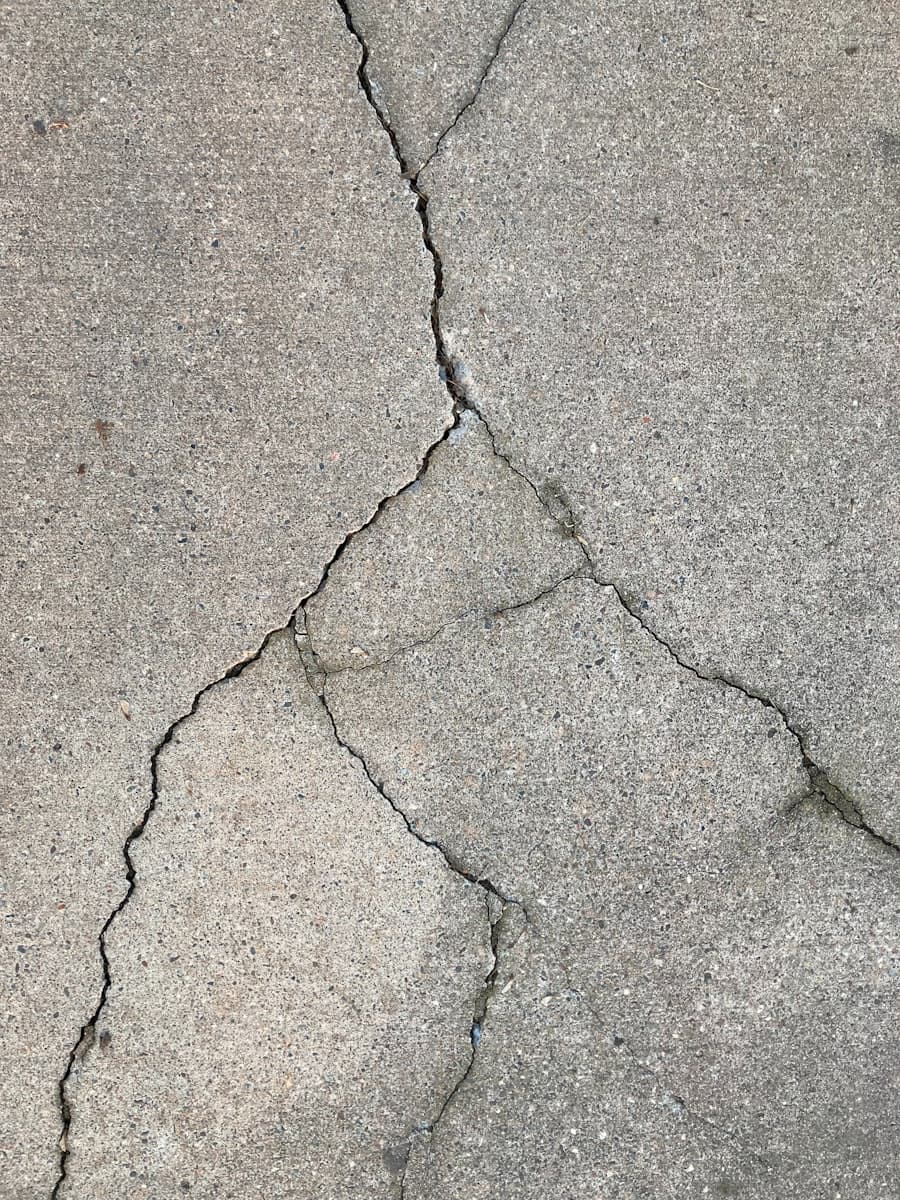
Most concrete doesn't fail. It gets neglected in small, cheap-to-prevent ways for fifteen years and then fails all at once. Sealing on a schedule, keeping joints clear, and moving water away from the slab edge account for the overwhelming majority of the difference between a slab that lasts and one that doesn't.
The other half of this category is diagnosis. Not every crack is a problem, and the ones that are look different from the ones that aren't. These guides give you the same tests we use on a site visit so you can tell which situation you're in before anyone quotes you.
If a contractor has told you a slab needs replacing, read the repair-versus-replacement guide first.
Every guide in Maintenance
Most readWhy is my concrete cracking?
Reading the crack to find the cause — which patterns are normal, which need attention, and the tests we use on a site visit.
Read the guide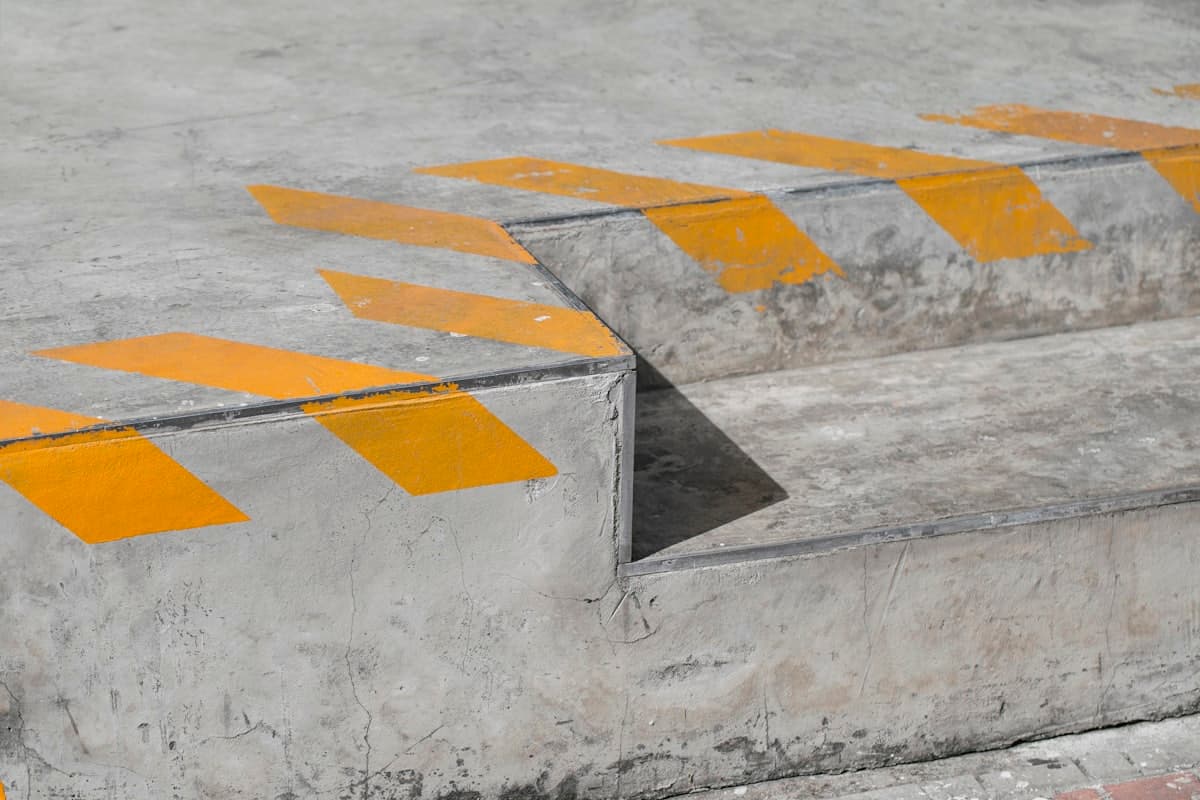 Most read
How often to seal concrete
Intervals by surface and exposure, which sealer type suits what, and how to tell when it's actually time.
Read the guide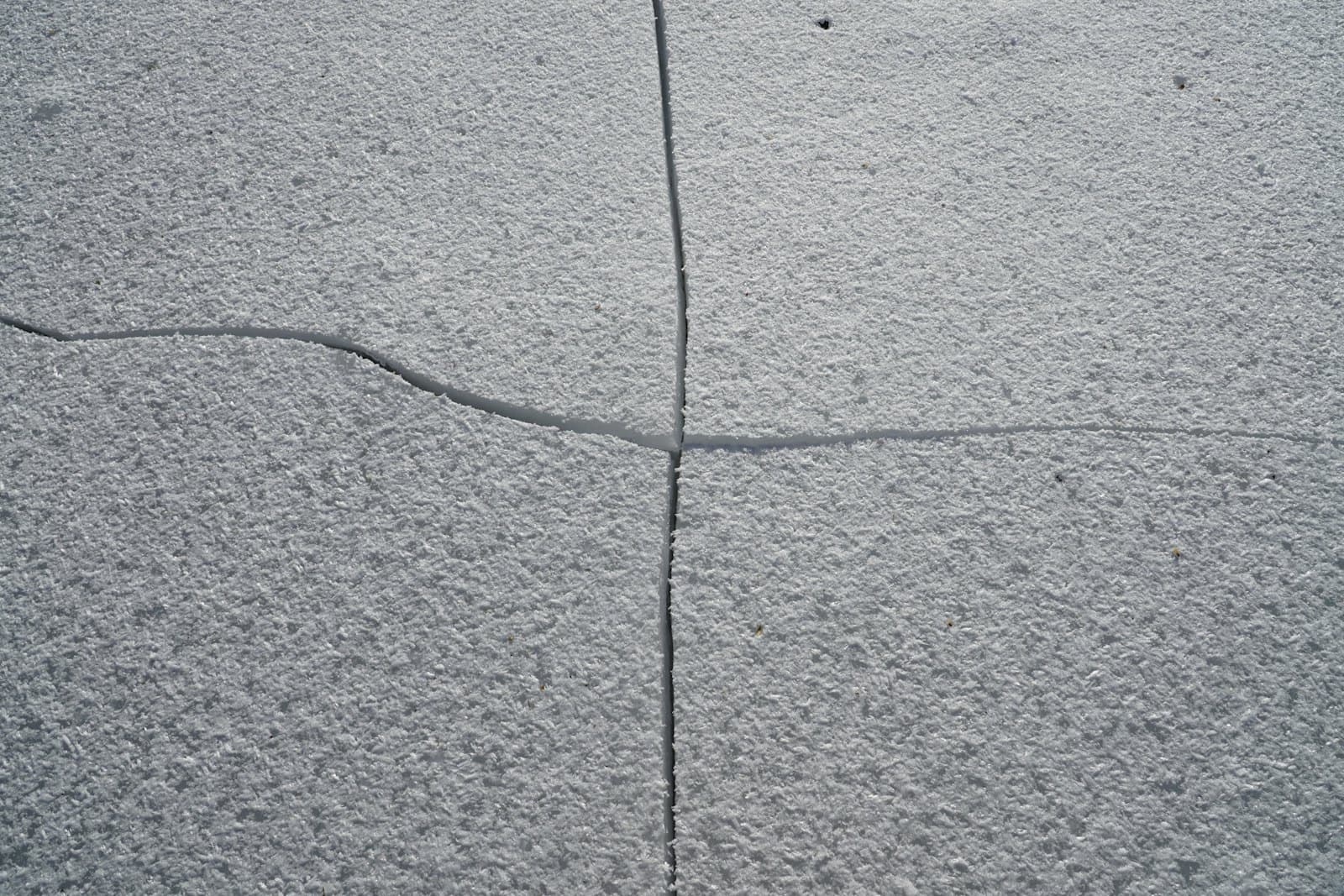 Most read
Resurfacing vs. replacement
The single test that decides it, what each option actually involves, and the cost difference between them.
Read the guide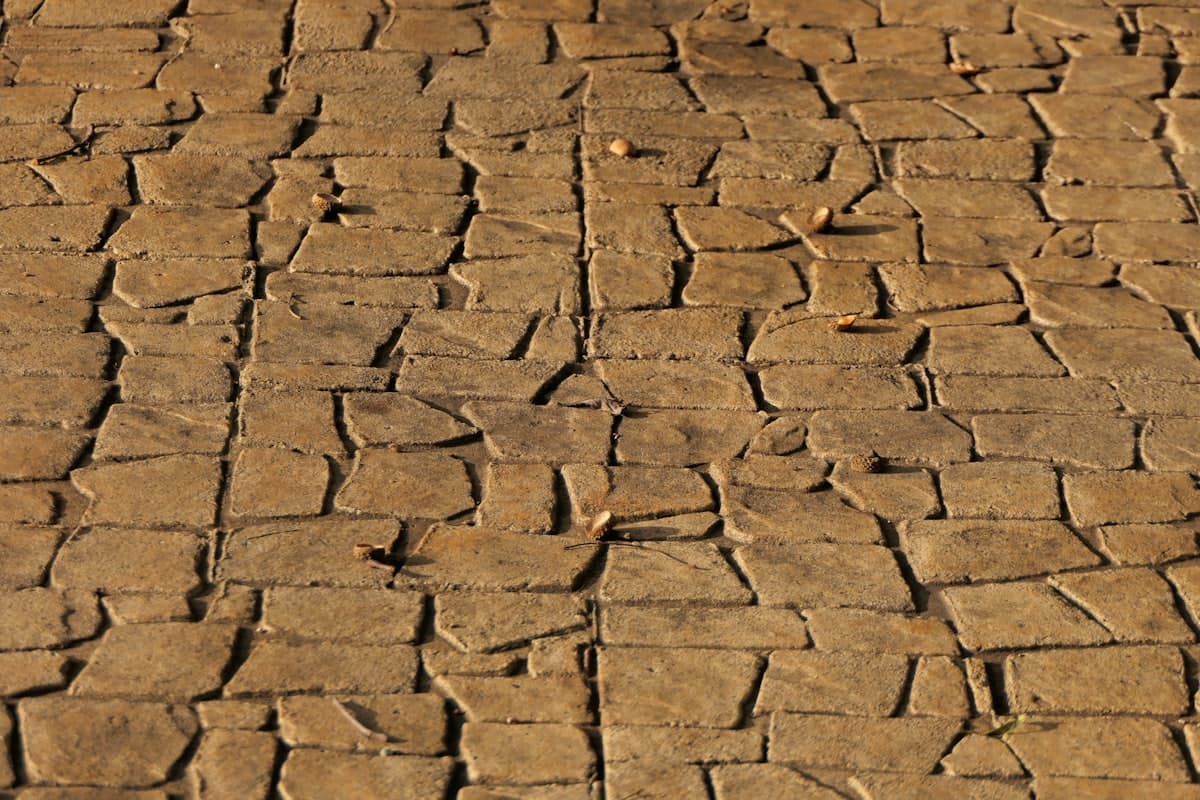
Concrete discoloration
Blotches, dark patches, white bloom, and color that doesn't match — what each one means and which will fade on its own.
Read the guide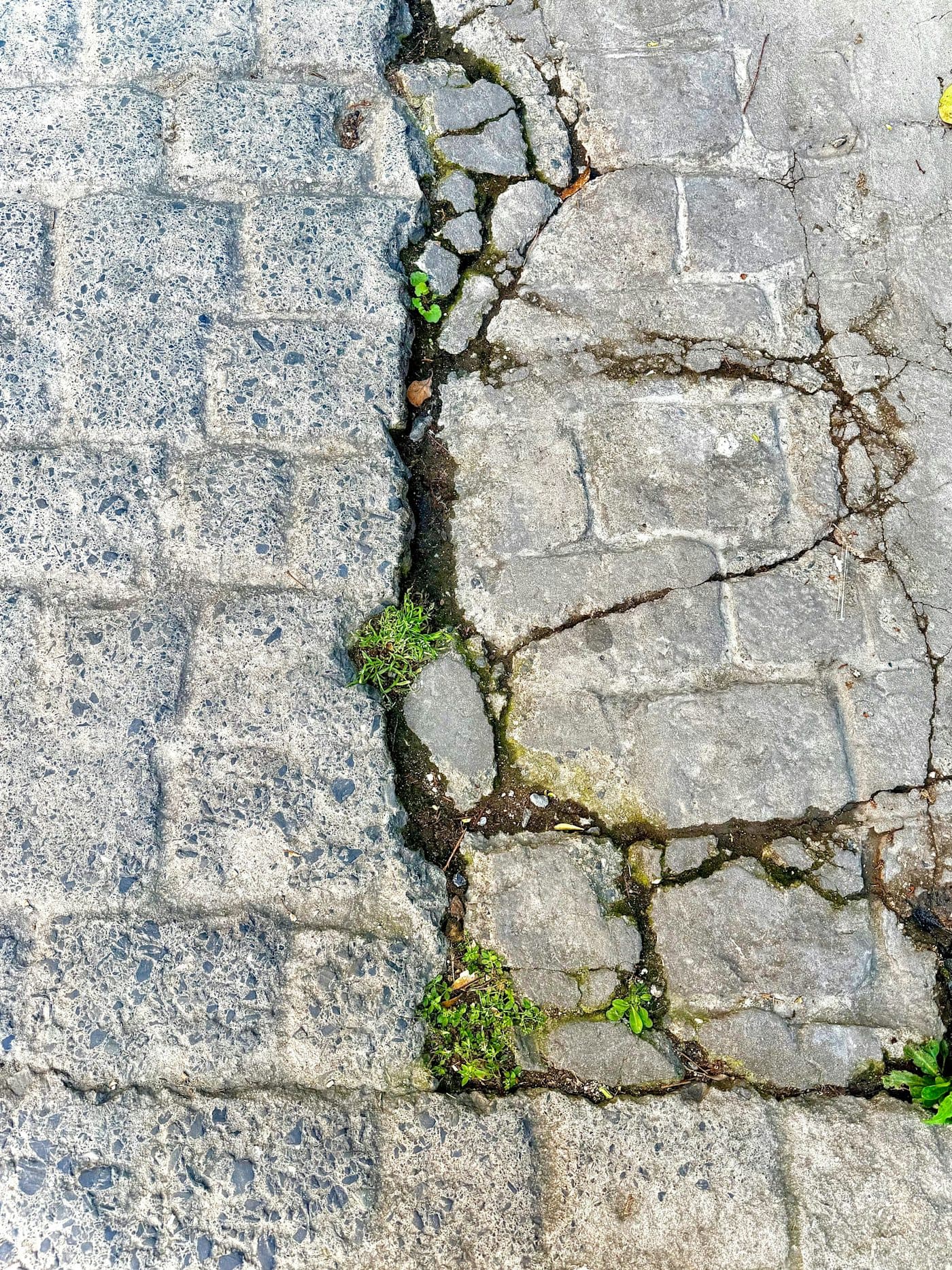
Repairing concrete cracks
Which cracks are worth filling yourself, the products that actually work, and the technique that makes repairs last.
Read the guide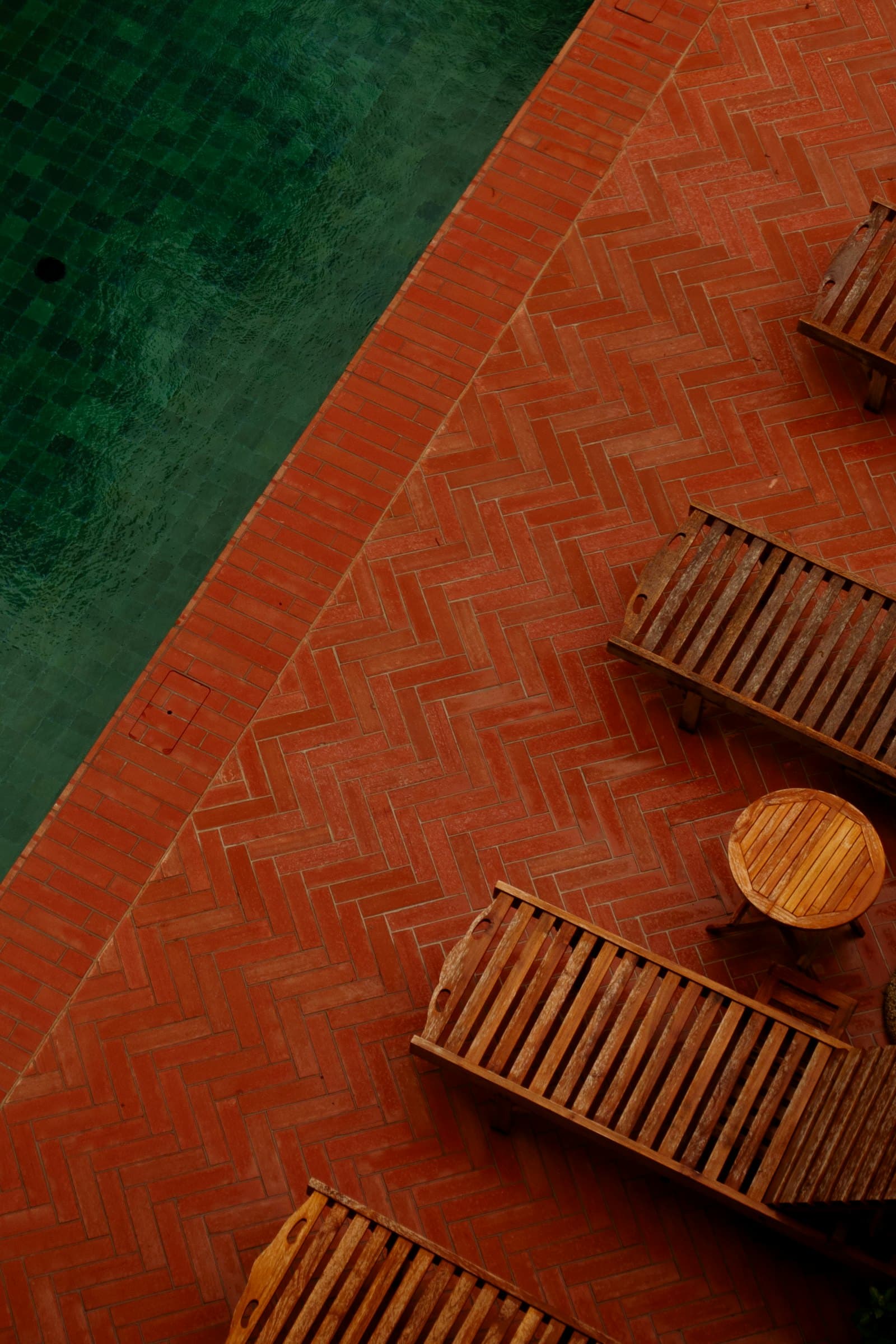 Most read
Pool deck resurfacing
When your pool deck looks rough, faded, or uneven, you have more options than just replacing it. Here's how to decide between resin overlay, kool-deck texture coating, a resurfacing topping, and full replacement — including what each costs and how long each lasts in the Bay Area climate.
Read the guide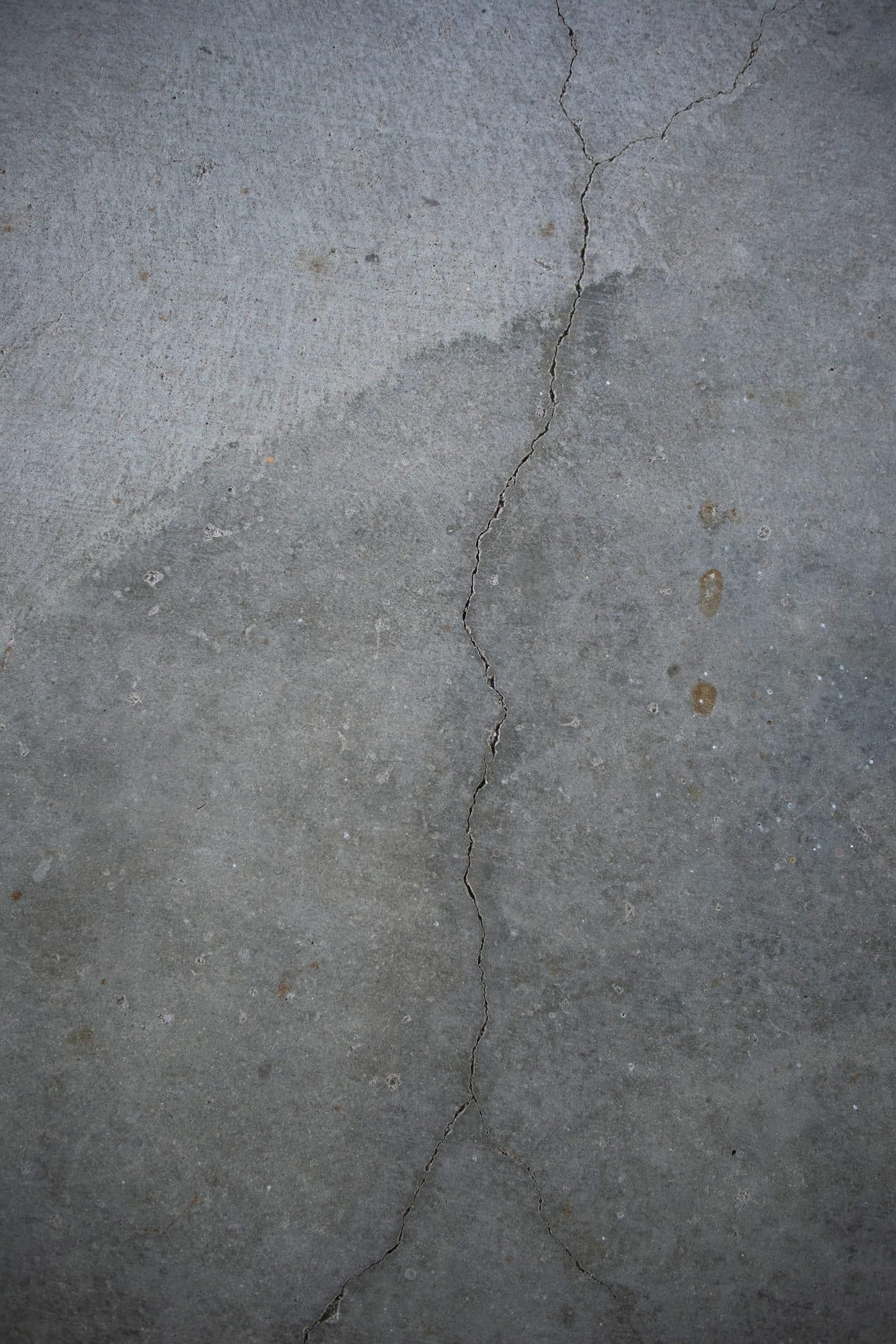
Concrete lifting vs replacement
When a slab can be raised back into place with foam or slurry, when it can't, and how to tell before you pay for either.
Read the guideConcrete spalling
Why concrete flakes and pops off, the difference between surface scaling and rebar-driven spalling, and the repairs that actually last.
Read the guide
When to seal new concrete
How long new concrete should cure before sealing, how to tell it's ready, which sealer to use, and how to apply it without problems.
Read the guideConcrete Maintenance and Repair: Keep It, Fix It, or Replace It
Most concrete problems trace back to water and movement in the ground underneath. Fine, level hairline cracks are normal shrinkage. Cracks with a height difference, sunken panels, and cracks that keep reopening mean the base has moved. Flaking surfaces usually point to finishing or curing at the time of the pour, and rust stains with spalling mean reinforcement is corroding inside.
The right fix depends on which problem you have. Level cracks can be cleaned and sealed. Sound slabs with a worn or stained surface can be resurfaced for roughly 40–60% of the cost of replacement. Intact panels that have sunk can often be lifted with foam or slurry. Slabs broken into many pieces, or sitting on a failed base, need replacing. Sealing every two to three years, sealing joints, and keeping water away from slab edges prevent most problems in the first place.
The guides here help you diagnose what you're looking at, decide between repair, resurfacing, lifting, and replacement, and keep concrete in good condition for decades.
Maintenance & Repair: Common Questions
More guides beyond Maintenance & Repair
All topicsPlanning maintenance?
Free written estimates across San Jose & the greater Bay Area — with the specification stated, not just a price.