
Quick answer
What are my options for resurfacing a pool deck?
Pool deck resurfacing falls into four categories: resin-bound gravel overlay (no demolition, permeable, slip-resistant — the best all-around choice for a sound slab), texture coating (Kool Deck-style — thin, cheap, repairable, but needs recoating every 5–8 years), cementitious micro-topping (cosmetic resurfacing layer, 3–6mm thick), or full concrete replacement. The right choice depends on whether your existing slab is structurally sound, how much surface relief you want, and how much maintenance you're willing to do.
- No-demo premium option
- Resin-bound overlay
- Cheapest resurfacing
- Texture coat ($3–$6/sq ft)
- Slip resistance
- Key pool-deck requirement
- Climate factor
- Mild Bay Area = coatings last longer
Pool decks fail for different reasons than driveways — and that changes your options
A standard concrete driveway fails from vehicle load, freeze-thaw, and water infiltration. A pool deck fails from a different combination: constant moisture exposure, pool chemicals working their way into hairline cracks, UV exposure, and the thermal cycling that happens when a hot deck surface meets cool splash-out water every afternoon in summer.
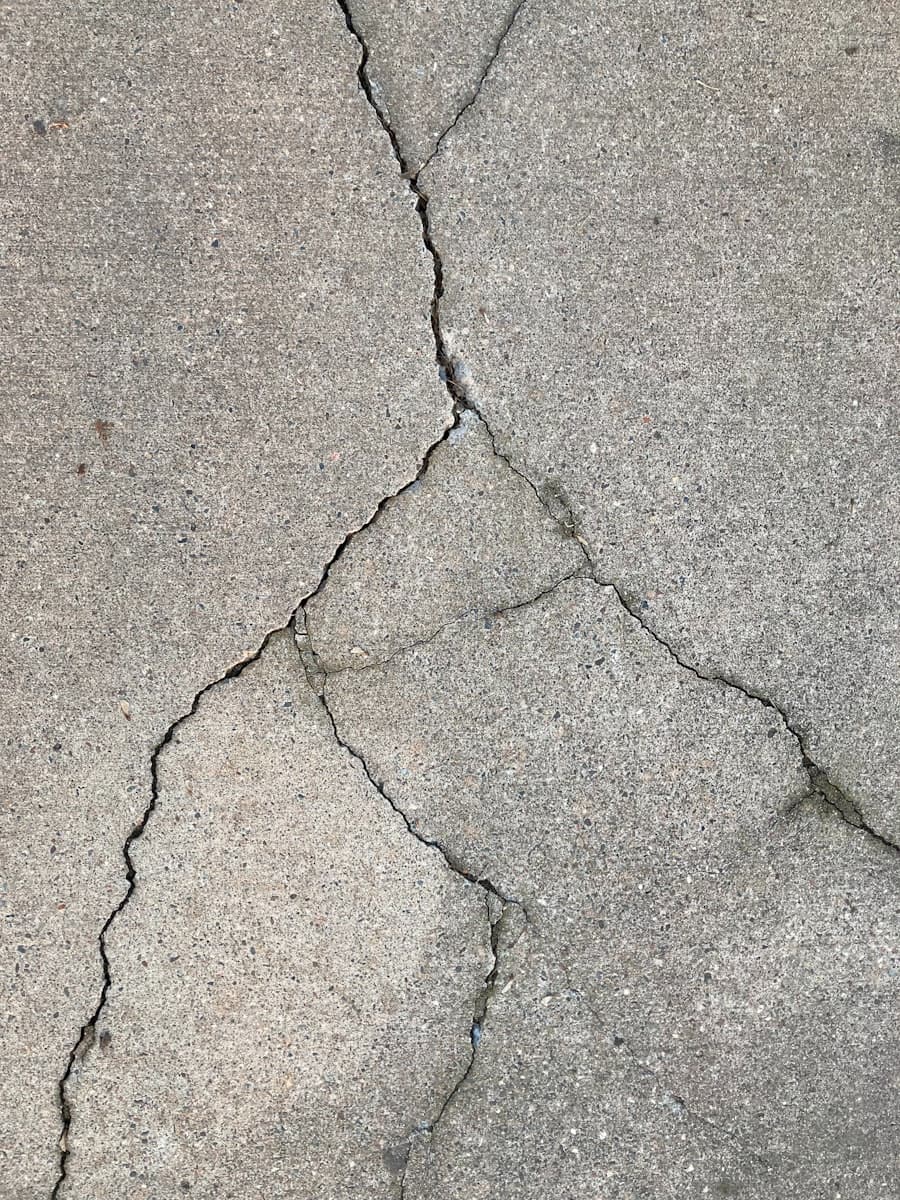
Pool-deck-specific failure patterns: the surface spalls and pits from chemical attack; the expansion joints fill with debris and lose their function; the deck develops a slight pitch toward the pool that retains water at the edge. These failure patterns matter because they determine whether an overlay will bond — a surface that's actively spalling underneath can't hold an overlay.
The Bay Area advantage is real: no freeze-thaw cycles mean pool deck coatings and overlays last significantly longer here than in Sacramento or Tahoe. A texture coat that needs reapplication every 5 years in a freeze-thaw climate typically runs 8–12 years in San Jose without maintenance.
The Four Options Compared
Resin-Bound Gravel Overlay
Natural stone aggregate set in polyurethane resin, applied 18mm thick over the prepared existing slab. The system is permeable — water drains through rather than pooling — which is a meaningful safety and longevity advantage in a pool deck context.
Pros
- Permeable surface prevents pooling — water drains through the aggregate instead of sitting
- Textured stone surface is inherently slip-resistant, even wet, without added grit or coatings
- No demolition when the existing slab is sound — the old deck becomes the sub-base
- 25-year lifespan; pool chemicals cannot penetrate polyurethane resin the way they attack cementitious coatings
- Color and texture come from natural stone — UV-stable, won't fade or bleach from chlorine splash
- Drive-on (walk-on) in 24 hours
Cons
- Cannot fix a slab that's actively moving, settling, or has a failed base
- Higher upfront cost: $18–$28/sq ft installed
- Raises the surface height by ~18mm — check gate clearances, step heights, and equipment pad levels
- Requires skilled installation — poorly mixed resin produces a weak, short-lived surface
Verdict — Best choice for a structurally sound pool deck — the permeability and chemical resistance are directly suited to pool environments
Kool Deck / Texture Coating
A factory-formulated cementitious texture coating, 3–6mm thick, that reduces surface heat significantly compared to plain concrete. The original product (Mortex Kool Deck) has been in use around pools since the 1960s and remains a popular entry-level option.
Pros
- Noticeably cooler underfoot than plain concrete in direct sun — the rough texture reduces contact area with the foot
- Cheapest resurfacing option: $3–$6 per square foot
- Repairable — damaged sections can be patched and re-coated without redoing the whole deck
- Wide range of colors available
- Good slip resistance from the texture
Cons
- Thin application means it doesn't hide surface imperfections well
- Cementitious — pool chemicals eventually attack the surface, causing fading and pitting
- Requires recoating every 5–10 years (Bay Area climate is mild; expect the longer end)
- Surface cracks in the substrate telegraph through within 2–3 years
- Cannot be applied over delaminated or spalling surfaces
Cementitious Micro-Topping
A polymer-modified cementitious layer applied 3–6mm thick, smoothed and troweled rather than textured. Similar material family to Kool Deck but with a smoother, more modern aesthetic. Can be colored or stained.
Pros
- Modern appearance — smooth, contemporary look versus the older texture-coat aesthetic
- Can be applied in sections to match existing work
- Low cost: $4–$8 per square foot
Cons
- Smooth finishes are slippery when wet — a critical failure point around pools. Sealer with anti-slip additive is mandatory
- Pool chemicals attack the surface over time, causing fading and discoloration
- Not as heat-reflective as a textured coating — smooth concrete is hotter underfoot
- Bond life on a pool deck is 5–8 years before the combination of pool chemicals, UV, and moisture cycling starts to cause delamination at edges
Full Concrete Replacement
The existing deck is broken out and removed, and a new slab is poured with the finish of your choice.
Pros
- Correct the base, drainage, and slope at the same time
- Choose any surface texture and joint layout from scratch
- 30–50 year lifespan from a correctly installed new slab
- Address any plumbing or coping issues simultaneously
Cons
- Disruption: pool is inaccessible for 2–3 weeks for demo, cure, and finishing
- Highest cost: $16–$28 per square foot for a plain-finish or textured replacement
- Necessary when the base has failed, but wasteful on a structurally sound slab that just looks tired
- Coping and pool tile often need to be reset when the deck elevation changes
Cost Ranges — Typical Pool Deck (~500 sq ft)
South Bay professional installation, 2026 pricing. Pool deck access and configuration (tight spaces, spa surrounds, steps) all add cost — estimates vary more than on open flatwork.
- Texture coat (Kool Deck style)$3–$6
Cheapest option; needs recoating in 8–12 yrs in Bay Area
- Cementitious micro-topping$4–$8
Smooth or broom finish; anti-slip additive required
- Resin-bound gravel overlay$18–$28
No demolition; permeable; 25-year rated; best all-round
- Full replacement — plain or texture finish$16–$28
New slab; correct slope and base; 30–50 yr lifespan
- Crack repair + resealing only$2–$5
For decks that are structurally fine but need cosmetic care
per sq ft installed
Coping repair, tile reset, and equipment-pad work are priced separately. Any quote that doesn't ask about coping condition hasn't fully scoped the job.
Pool Deck Resurfacing — Quick Decision Guide
| Your situation | Recommended option | Reason |
|---|---|---|
| Sound slab, want best long-term result | Resin-bound overlay | Permeable, chemical-resistant, 25-yr rated |
| Sound slab, budget is the priority | Texture coating (Kool Deck) | Lowest cost; good slip resistance; recoatable |
| Sound slab, want modern smooth look | Micro-topping + anti-slip sealer | Contemporary look, budget-friendly — but plan on recoating |
| Slab with active cracks, height differences | Full replacement | Moving slab will crack any overlay — fix the base first |
| Deck is OK but slippery and hot | Texture coating | Best surface-temp reduction; good traction |
| Deck staining or discoloration only | Clean + stain + reseal | No resurfacing needed — reassess after cleaning |
| Deck is settling away from coping | Full replacement | Slope change requires new pour to fix correctly |
| Tight maintenance schedule, want to forget it | Resin-bound overlay | No recoating for 25 years — lowest maintenance of any option |
Before You Get a Quote — Assess Your Deck
Walk the deck and note answers to these before calling anyone. A contractor who doesn't ask these questions isn't qualified to bid the job.
- Are there cracks? If yes — are both sides of the crack at the same height, or is one side higher?
- When you tap the surface with a coin or knock with your knuckles, do any areas sound hollow?
- Is the deck pitched correctly away from the pool, or has it started to pitch back toward the water?
- Are the expansion joints (the straight lines in the deck) open, cracked out, or missing entirely?
- What is the condition of the coping — the cap stones or poured beam around the pool edge?
- Is there any pool chemical staining (white deposits, etching, or dark discoloration) in the concrete?
- Is there an equipment pad nearby that would need to be raised or releveled to match a new deck height?
Frequently asked questions
Services for Pool Deck Work
Still deciding?
Ask us about your specific project
We'll give you a straight answer on the phone, including when that means telling you that you don't need the work you asked about. Free written estimates across San Jose & the greater Bay Area.