Service Category
Concrete Finishes: Texture, Color, and Surface Treatment
The surface treatment applied in the final hours before concrete sets — deciding texture, traction, color, and appearance.
- Finish types
- Broom, trowel, stamped, exposed
- Applied
- While the slab is still plastic
- Slip rating
- Texture matched to wet exposure
- Estimates
- Free & written
Concrete Finish — At a Glance
The surface treatment applied in the final hours before concrete sets — deciding texture, traction, color, and appearance. Dueling Trowels Concrete Solutions provides concrete finishing contractor services across 55 cities in Santa Clara, Alameda, San Mateo, and Santa Cruz counties, including San Jose, Oakland, Fremont, and Sunnyvale. Licensed, insured, and backed by a written workmanship warranty. Free written estimates.
The Finish Is Decided in a Narrow Window
Concrete is workable for only a few hours. Nearly every decision about how the surface will look for the next thirty years gets made inside that window.
Two slabs can be poured from identical trucks, from the same mix, on the same day, and end up looking nothing alike. The difference is entirely in what happens to the surface between placement and set — how it's floated, what tool passes over it last, whether pigment or hardener is applied, and when.
This is the part of concrete work that's genuinely craft rather than procedure. Timing depends on the weather that day, how the mix is behaving, and reading the surface correctly. Move too early and you seal water into the slab. Move too late and the window closes with the finish half-done.
It's also the decision homeowners have the most say in and the least information about. Below is a plain comparison of the main options, what each one is actually good at, and where each tends to disappoint.
Finish Options Compared
Relative cost is shown against a standard broom finish on the same slab.
| Finish | Texture | Relative Cost | Notable Strength |
|---|---|---|---|
| Broom | Fine directional ridges | Baseline | Reliable traction wet or dry; easiest to repair invisibly |
| Smooth Trowel | Flat, slightly polished | Baseline | Clean modern look — best kept to interiors and covered areas |
| Exposed Aggregate | Pebbled, visible stone | Moderate | Excellent grip and hides dirt and staining well |
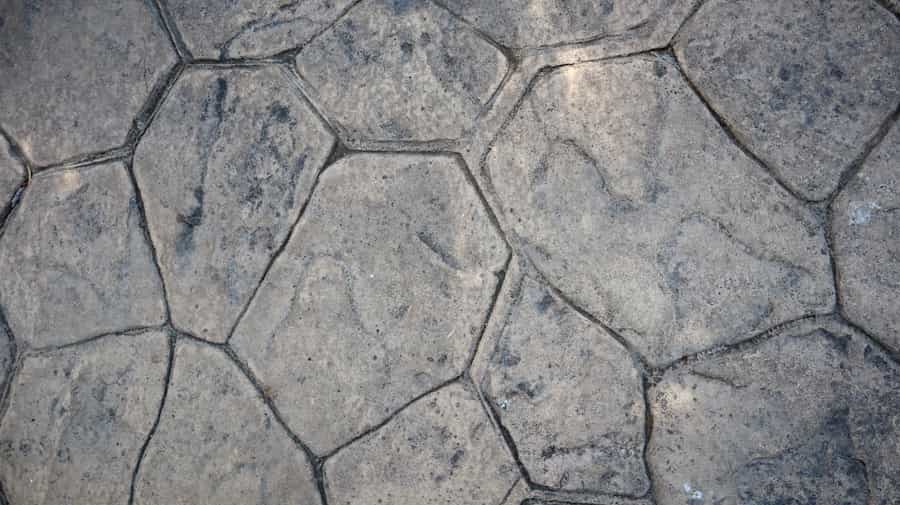
| Stamped | Pressed pattern and relief | Highest | Convincing stone or brick appearance at a fraction of the material cost |
| Salt Finish | Small shallow pockmarks | Low | Subtle traction for pool decks without heavy texture |
| Polished | Ground to a sheen | Moderate to high | Extremely durable interior surface with very low maintenance |
Three Layers of a Finished Surface
Most decorative concrete is a combination of these, applied in sequence.
Texture
The physical surface profile, created by the last tool to touch the concrete — a broom, a trowel, a stamp mat, or a wash that exposes the aggregate underneath.
Color
Either mixed through the whole slab as integral pigment, broadcast onto the surface as a color hardener, or applied afterward as a penetrating stain. Each behaves differently as it ages.
Sealer
The protective top layer. It guards against staining, deepens color, and provides the sheen on decorative work. Unlike the two layers below it, sealer is consumable and needs reapplying.
Ask to See a Sample Panel Before You Commit
Color and texture look different in a brochure than they do at full scale, in your yard, in your light. Concrete color also lightens noticeably as it cures — the slab you see on pour day is not the color you'll have in a month. Any contractor doing decorative work should be able to show you physical samples or previous projects with the same combination. If you're choosing color from a printed chart alone, slow down.
Finish Questions
Transformations
Concrete Finish: Before & After
Representative comparisons of the condition we're typically called to, and what the finished work achieves. Drag the handle across each frame.
Shaded rear yard
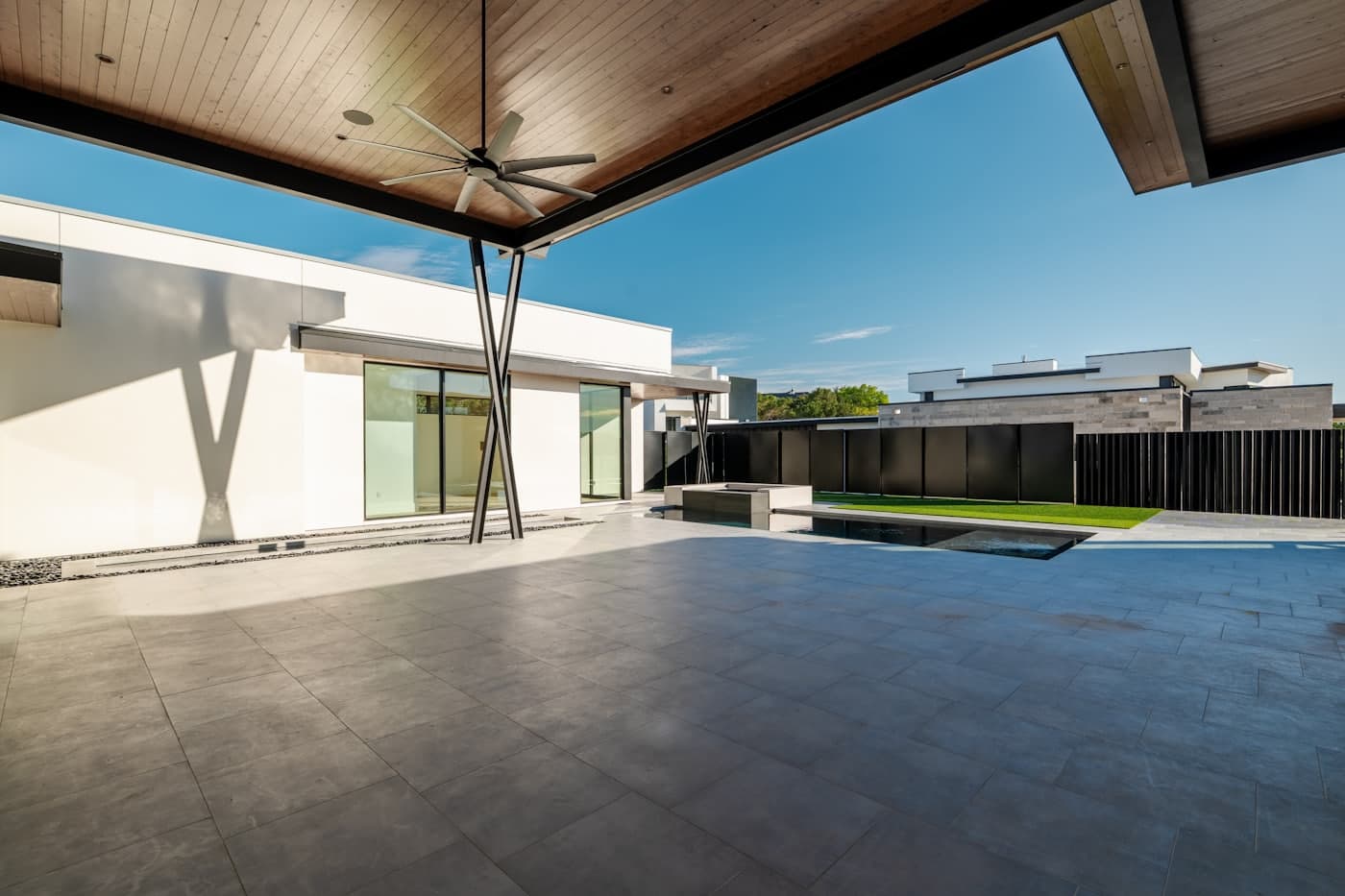
Patio rebuild
A north-facing patio that stayed damp year round, growing moss in the joints and holding water against the house wall. Rebuilt with fall built into the slab, a wider footprint, and a sealed decorative finish that sheds water instead of holding it.
- Positive fall away from the building, no standing water
- Sealed surface that resists moss and organic staining
- Footprint extended to take a full outdoor dining setting
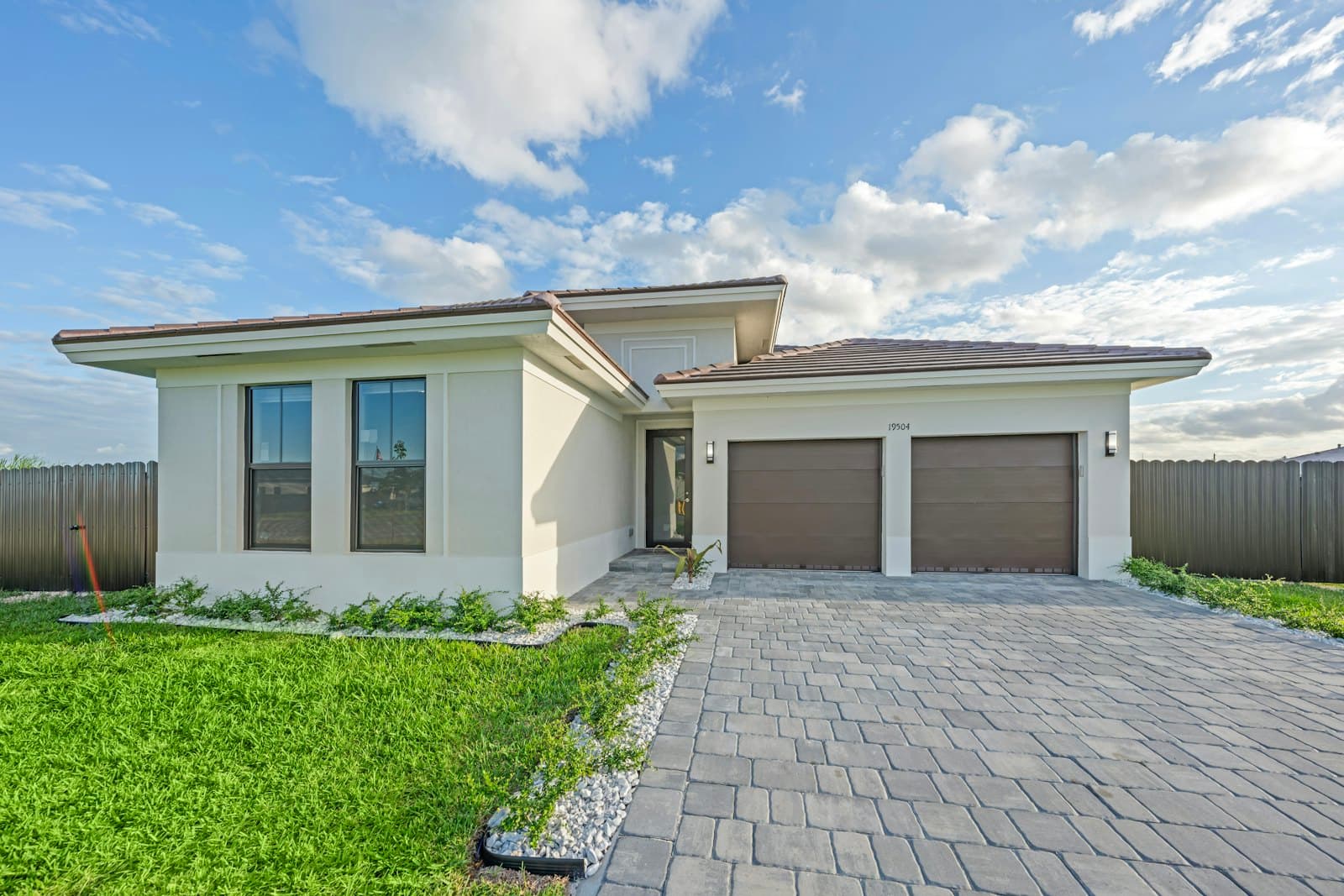
Typical 1960s tract home
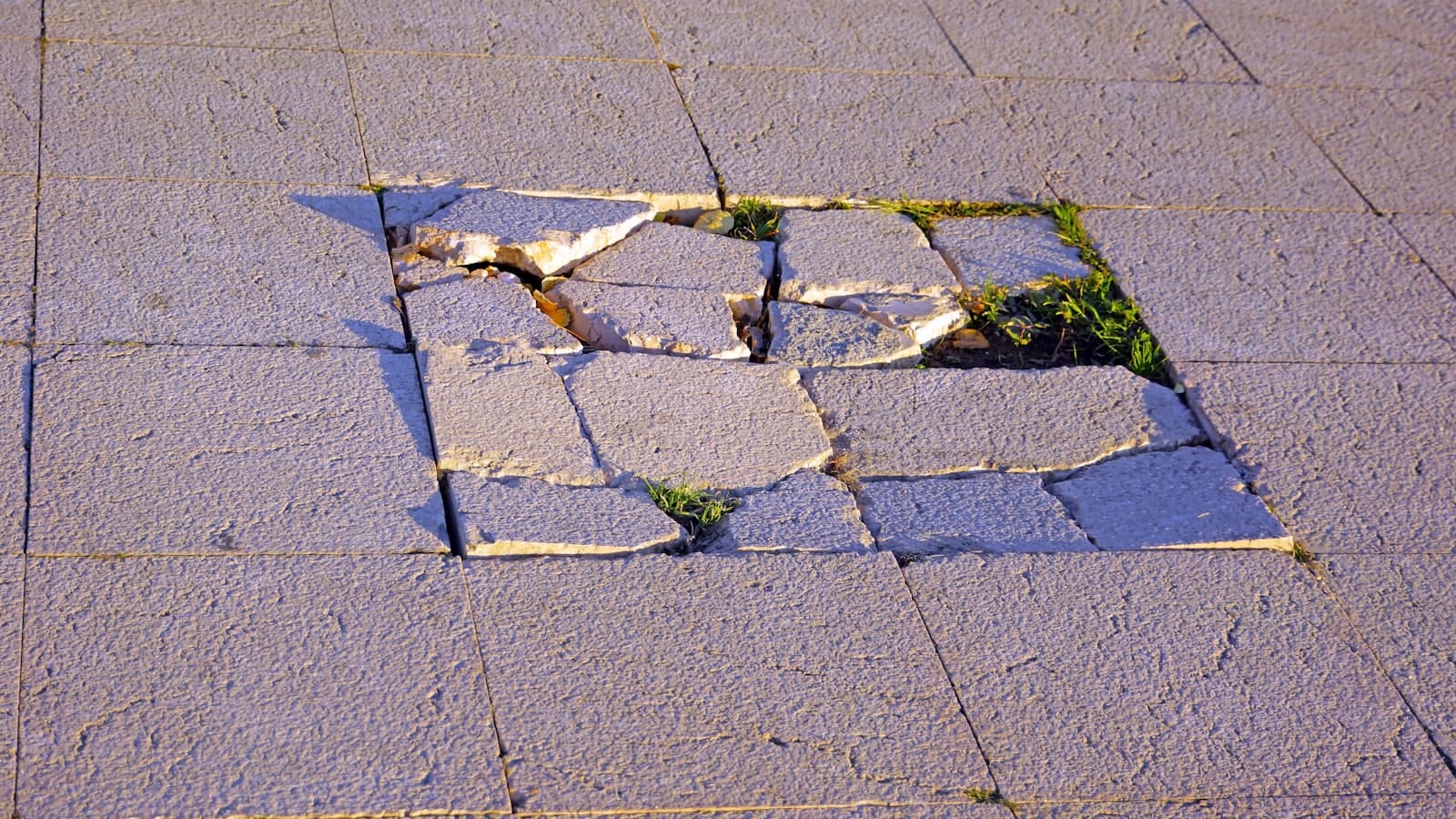
Driveway replacement
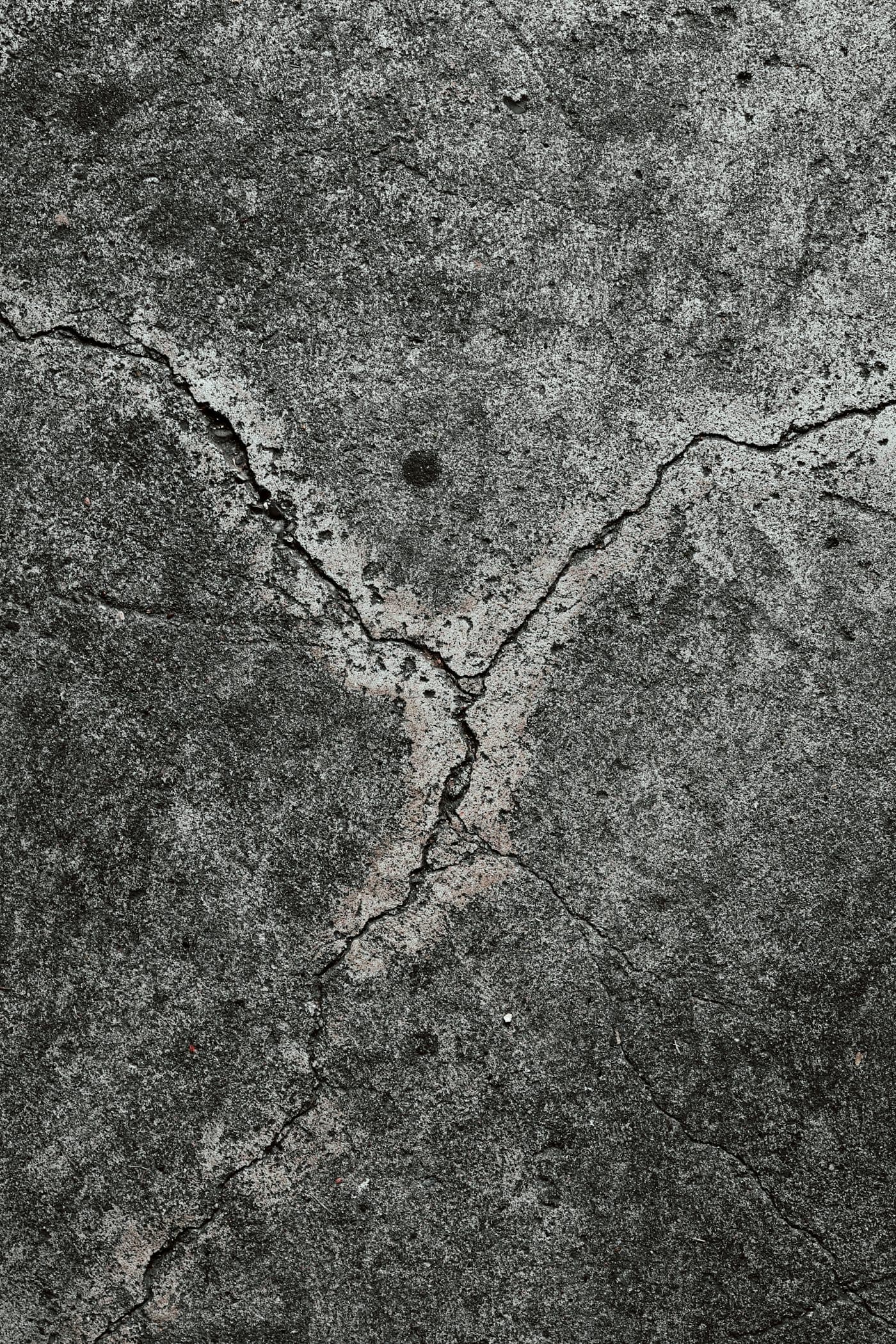
A driveway poured at three and a half inches on uncompacted native soil, cracked through in three places and settling toward the garage. Replacement went in at five inches over six inches of compacted Class 2 base, with rebar chaired into the slab and the fall reversed away from the house.
- Water now runs to the street instead of the garage slab
- Thickness and reinforcement rated for two modern vehicles
- Control joints cut on a grid, so future movement is directed
Drag the handle — or use the arrow keys — to compare the condition before and after.
More Concrete Flatwork Services
Related work we handle, often on the same project as this one.
Often Quoted Alongside This
Work from our other category that regularly shows up on the same site visit.
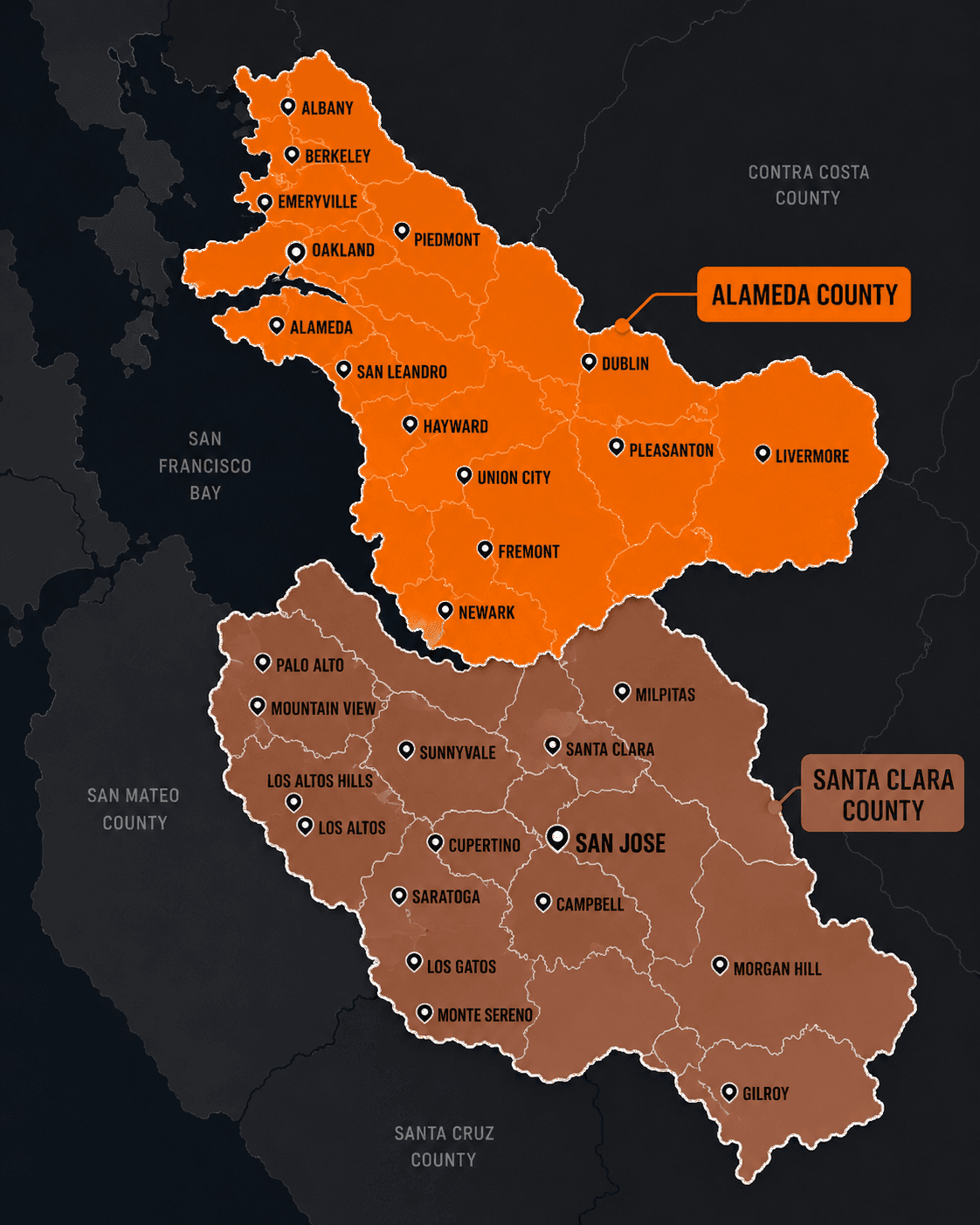
55 Cities Served
Santa Clara, Alameda, San Mateo & Santa Cruz counties
Service Area
Where We Provide Concrete Finish
We provide concrete finish across 55 cities in Santa Clara, Alameda, San Mateo, and Santa Cruz counties. Ground conditions, permitting, and the failure modes we see vary city by city, so each has its own page.
Counties
Read Before You Decide
Guides from our Learning Center that bear directly on this kind of work.
People Also Ask
The questions we're asked most about concrete finish, each answered in full.
Not Sure Which Finish Fits?
Talk it through with someone who's poured all of them. We'll walk your site, look at your home, and give you a straight recommendation.