Quick answer
What is the best finish for a concrete patio?
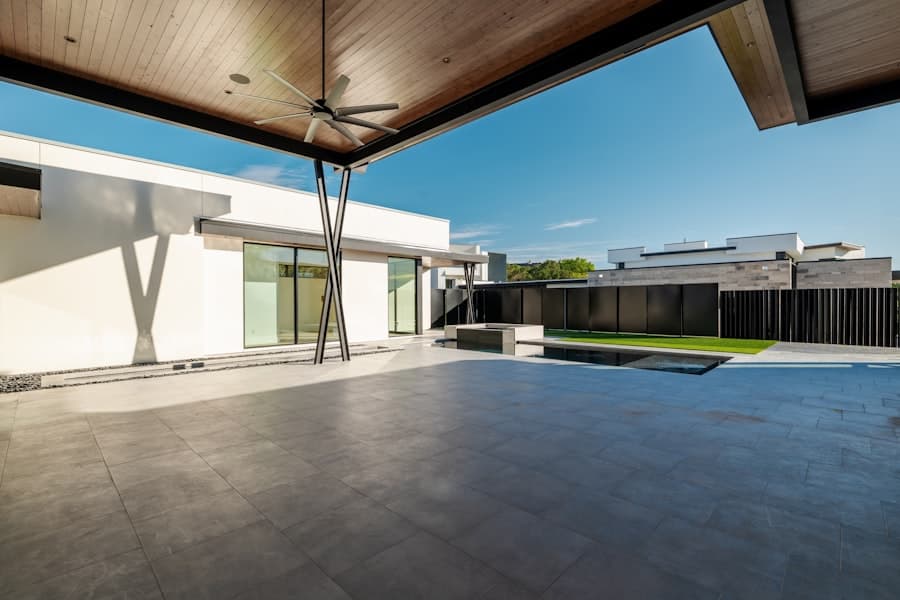
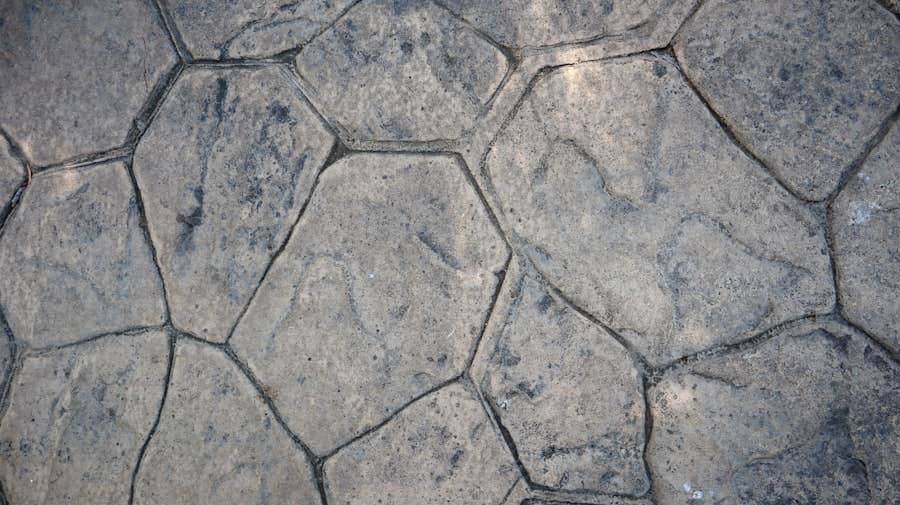
For most patios, a light broom finish or a lightly textured stamped finish is the right balance — enough traction to be safe when wet, smooth enough to be comfortable barefoot and to sit furniture on. Exposed aggregate is the best choice around pools for traction. Acid staining suits patios where you want color depth without changing the texture. Avoid smooth trowelled finishes outdoors entirely.
- Best all-round
- Light broom or textured stamp
- Best around pools
- Exposed aggregate
- Best color depth
- Acid stain
- Coolest underfoot
- Light colors, any texture
A patio finish has to satisfy more constraints than a driveway finish, and they pull against each other. It should grip when wet, but not be so rough that it's unpleasant barefoot. It should hold color, but not fade in full sun. It should hide dirt, but not be so textured that dirt lodges in it and won't sweep out. And it has to sit furniture flat.
That's why the ideal patio finish is usually a bit less aggressive than the ideal driveway finish. Nobody walks barefoot on a driveway or drags a chair across it three times an evening.
Patio finishes compared
Finish comparison for patios
| Finish | Barefoot comfort | Wet traction | Heat | Maintenance |
|---|---|---|---|---|
| Light broom finish | Good | Good | Moderate — depends on color | Seal every 2–3 years |
| Heavy broom finish | Fair — noticeably rough | Excellent | Moderate | Seal every 2–3 years; harder to sweep |
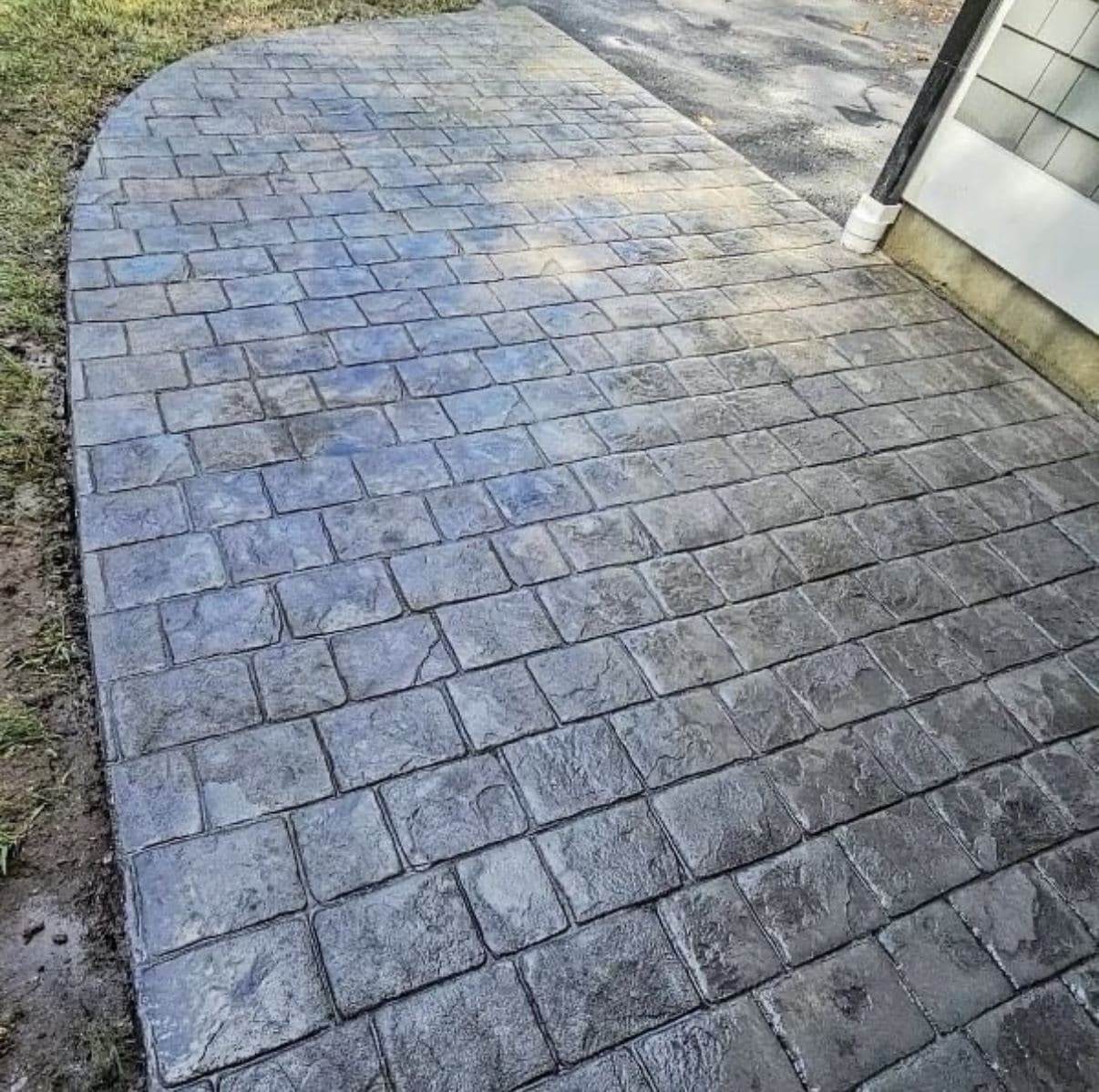
| Stamped, textured pattern | Good | Fair — needs grit in the sealer | Higher if dark-colored | Reseal every 2–3 years, non-negotiable |
| Exposed aggregate | Fair to poor | Excellent | Lower — pale stone reflects | Seal every 2–3 years |
| Acid-stained, sealed | Very good | Depends entirely on the base texture | Higher — stains tend dark | Reseal every 2–3 years |
| Salt finish | Good | Very good | Moderate | Seal every 2–3 years |
| Smooth trowel | Excellent | Dangerous | Moderate | Not suitable outdoors |
Heat and glare — the underrated factors
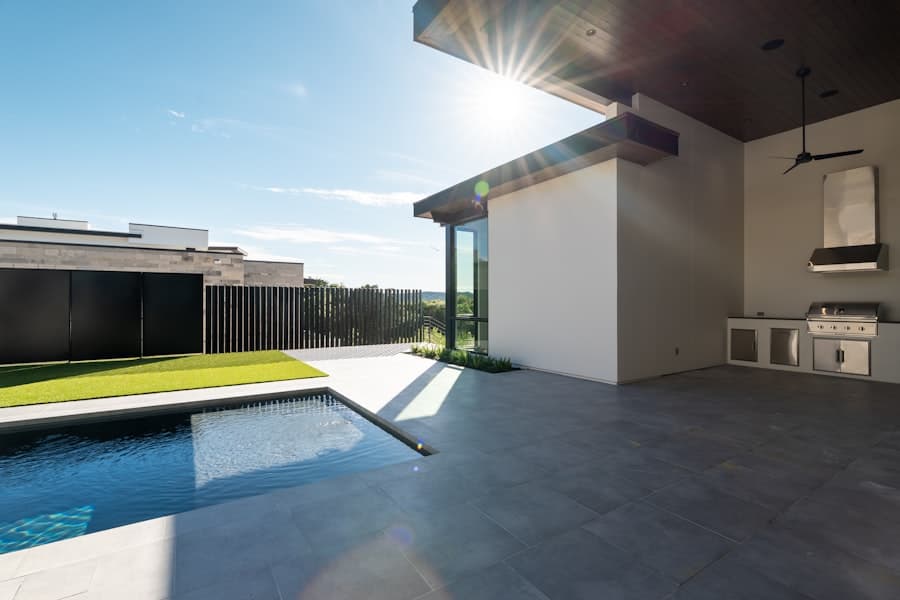
In Livermore, Gilroy, Morgan Hill, and much of the inland South Bay, a patio gets genuinely hot. Surface temperature is driven almost entirely by color, not texture: a dark charcoal stamped patio in full August sun can be 30 to 40 degrees hotter underfoot than a pale one beside it.
That's worth weighing against the fact that dark colors photograph beautifully and are what most people point at on an inspiration board. If the patio faces west or south with no shade, a mid-tone or light finish is a decision you'll be glad of every summer.
The opposite problem is glare. A very pale, very smooth finish in bright sun is uncomfortable to look at and washes out. A light color with some texture — a light broom finish, a salt finish, or exposed aggregate with pale stone — gives you the cool surface without the glare.
The finishes worth knowing about
Beyond the obvious three, two patio finishes are underused and worth putting on the list.
A salt finish is made by broadcasting rock salt over the fresh surface, pressing it in, and washing it out once the concrete has set — leaving a field of small shallow pits. It gives good wet traction, is comfortable underfoot, has a soft speckled appearance that suits pool surrounds particularly well, and costs barely more than a broom finish. It's a classic pool deck finish for good reason and it's fallen out of fashion for no good reason.
Saw-cut patterning with an integral-colored border is the other. The slab gets a plain light broom finish, then a deliberate pattern of saw cuts — large squares, a diagonal grid, a defined border band — turning the necessary joints into the design. It costs a couple of dollars a square foot, needs no more maintenance than plain concrete, and makes a plain slab look considered.
Choosing your patio finish
In the order that usually settles it.
Will people be barefoot?
Pool surrounds, spa areas, and patios attached to a back door in summer all mean bare feet. That rules out heavy broom and pushes exposed aggregate toward a smaller aggregate size or a salt finish instead.
Will it be wet?
Pool, spa, sprinkler overspray, or a shaded area that stays damp — traction moves to the top of the list. Salt finish, light broom, or exposed aggregate.
How much sun does it get?
Full western or southern exposure with no shade means going lighter in color than your instincts suggest.
How much maintenance will you do?
Stamped and stained finishes look worse when neglected than plain concrete does — there's more to lose. If resealing every two to three years isn't realistic, choose a finish that doesn't depend on it.
What does the house look like?
Stamped stone patterns suit traditional and craftsman houses. Large saw-cut panels and exposed aggregate suit modern and mid-century. Acid stain works with almost anything because it varies rather than repeats.
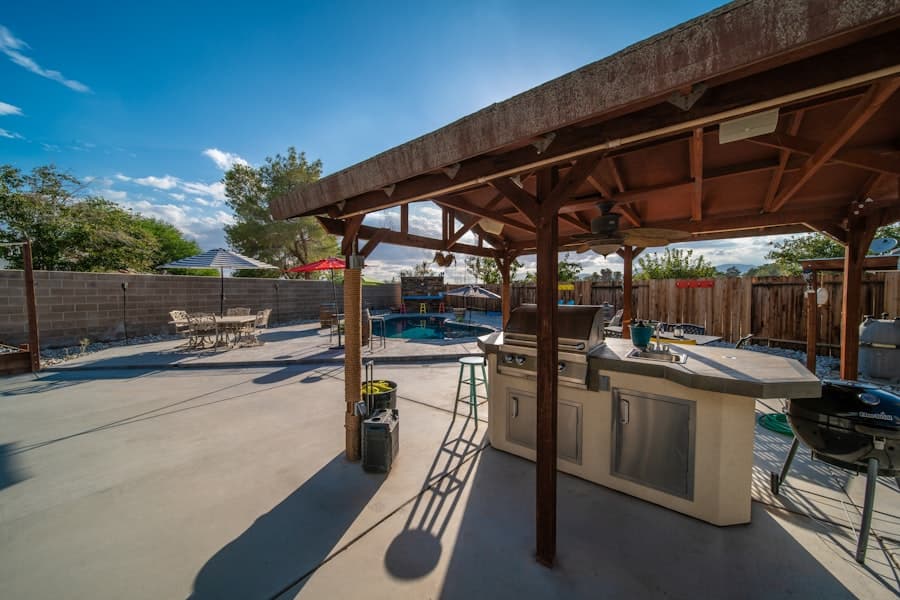
Patio finishes in the field
Maintenance by finish
All exterior concrete benefits from sealing. What changes across finishes is how visible the consequences of skipping it are.
Plain gray concrete that hasn't been sealed in ten years looks like plain gray concrete that hasn't been sealed in ten years — dull, a bit stained, structurally fine. Stamped concrete in the same state looks obviously neglected: the color flattens, the release-agent contrast washes out, and the pattern loses the depth that made it convincing in the first place.
Acid-stained concrete sits in between. The stain is a chemical reaction with the concrete itself and won't wash away, but the depth and richness of the color depend heavily on the sealer above it. Without one, stained concrete goes chalky and pale.
Patio finish questions
Go deeper
Key takeaways
- Patios need less aggressive texture than driveways — people are barefoot and furniture gets dragged.
- Color drives surface temperature far more than texture does. Go lighter in full inland sun.
- Salt finish and saw-cut patterning are both underused and both excellent value.
- Never use a gloss sealer on a stamped pool surround. Matte with a grit additive, always.
- Exposed aggregate hides dirt best; uniform mid-gray shows everything.
- Any finish can be added to a sound slab later — color and pattern are the reversible decisions.
Still deciding?
Ask us about your specific project
We'll give you a straight answer on the phone, including when that means telling you that you don't need the work you asked about. Free written estimates across San Jose & the greater Bay Area.