
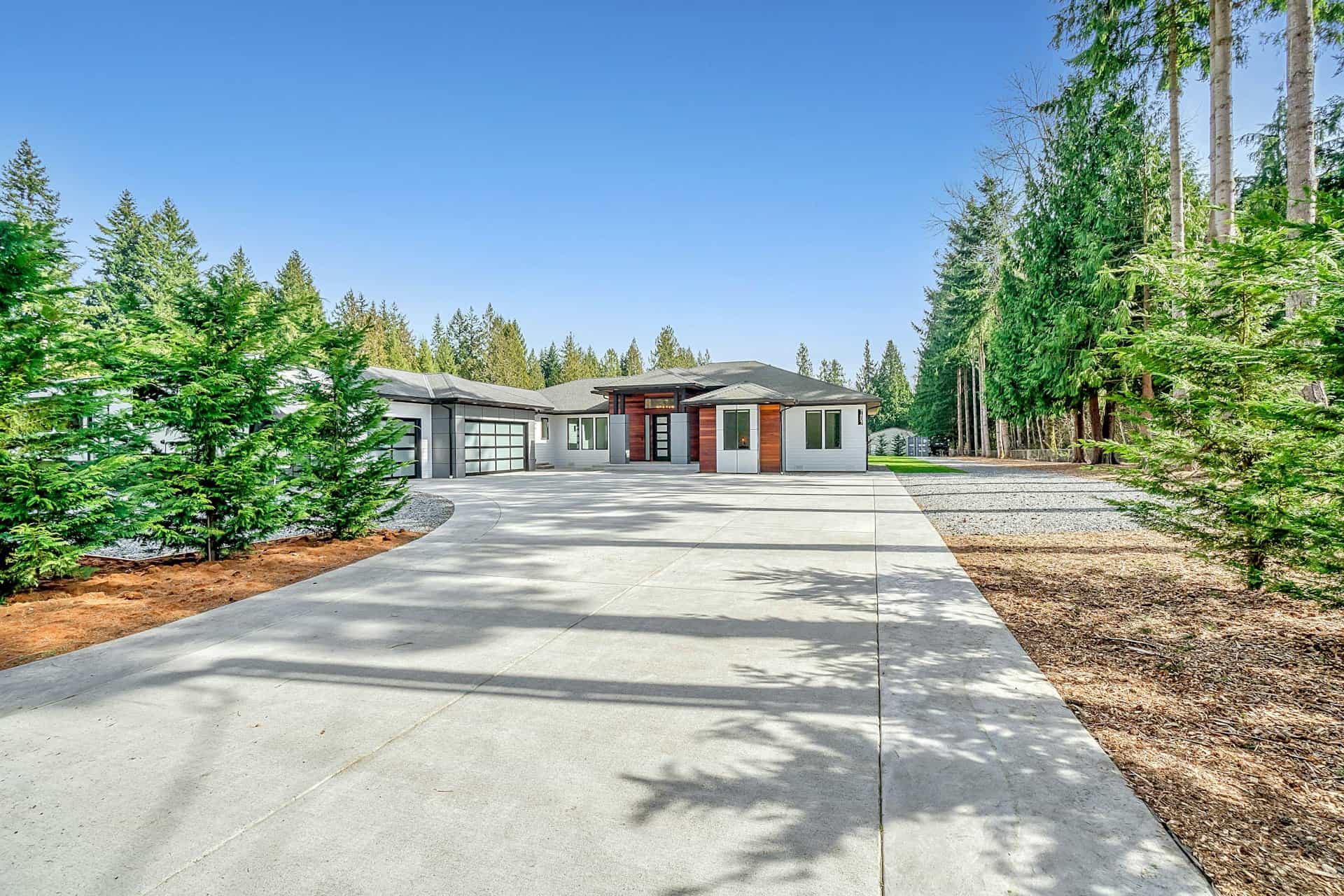
Alameda County · California
Concrete & Driveway Contractors in Fremont, CA
Five former towns merged into one large, varied city.
Concrete Contractor in Fremont
Dueling Trowels Concrete Solutions is a licensed and insured concrete and driveway contractor serving Fremont, Alameda County, California. We install and replace concrete driveways, patios, walkways, stamped and stained finishes, foundations, and commercial flatwork throughout Fremont and nearby Union City, Newark, and Hayward. Free written estimates. Call or text (669) 200-9478.
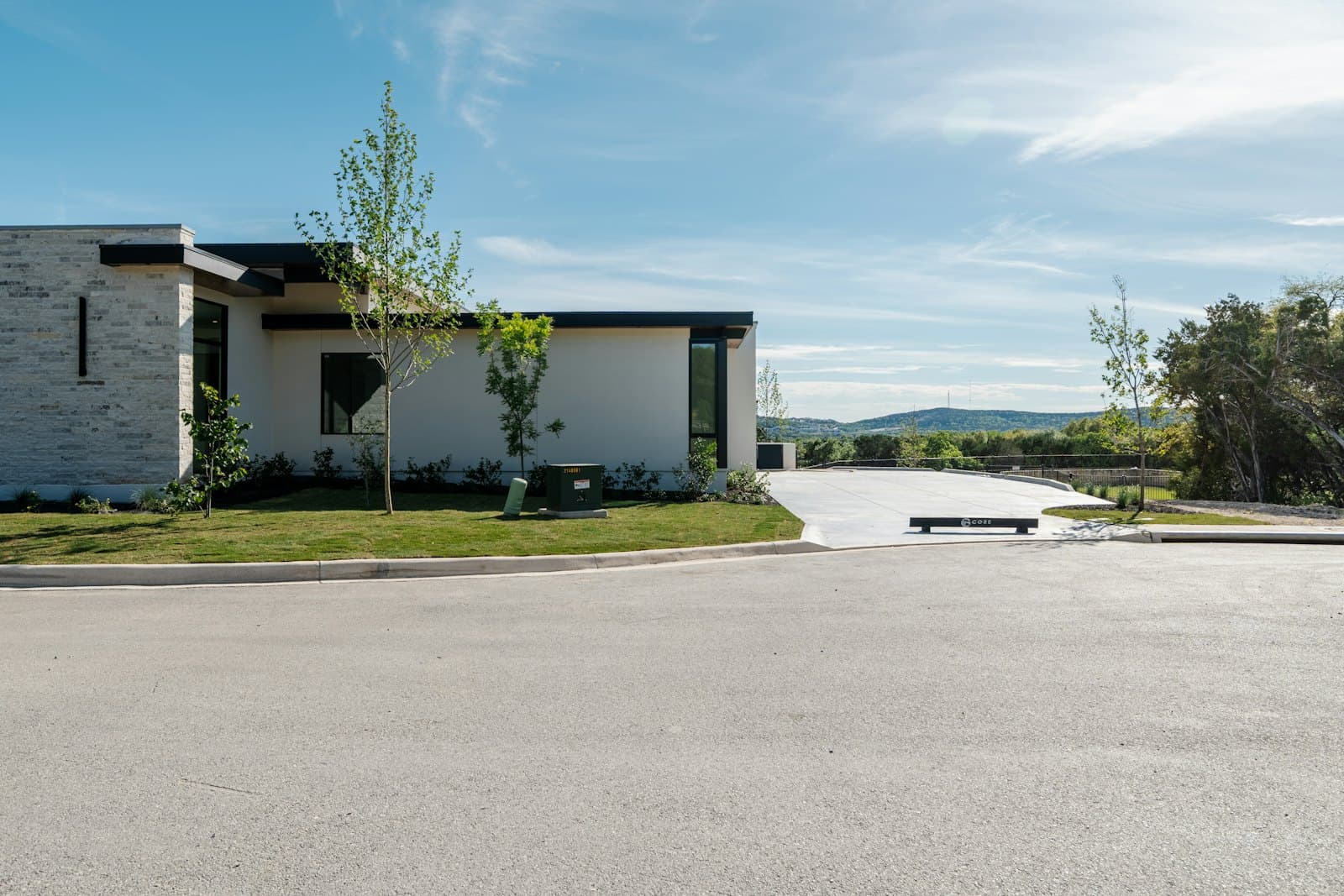
Alameda County · California
Concrete Contractors Serving Fremont
Fremont was formed by merging five separate towns, and eighty years later you can still tell. Niles has a genuinely historic small-town core. Mission San Jose has its own distinct character and some of the oldest history in the region. Warm Springs has been transformed by recent development. They share a city government and not much else architecturally.
That history means Fremont projects vary enormously depending on which former town you're in — the housing eras, lot sizes, and street patterns are all different, and so is the concrete work that suits them.
- Years in the Bay Area
- 20+Years in the Bay Area
- Projects completed
- 1,000+Projects completed
- Written estimates
- FreeWritten estimates
Most Requested
Concrete Services in Fremont
The four we're asked for most often here. Every other service we offer is available throughout the city too.
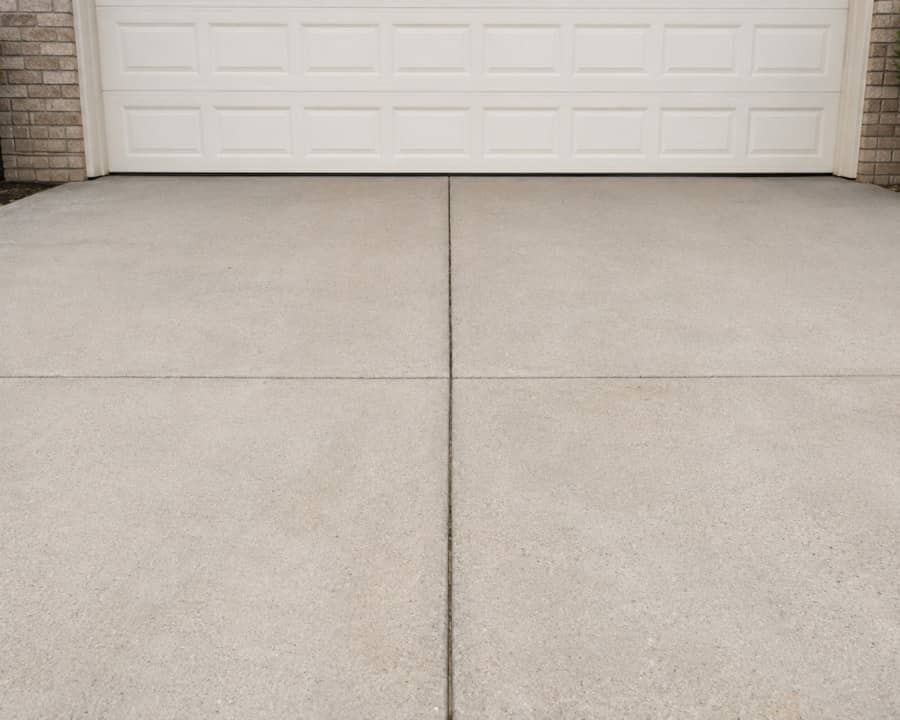
Concrete Driveways
Vehicle-rated driveways with engineered thickness, controlled cracking, and drainage that moves water away from your garage.
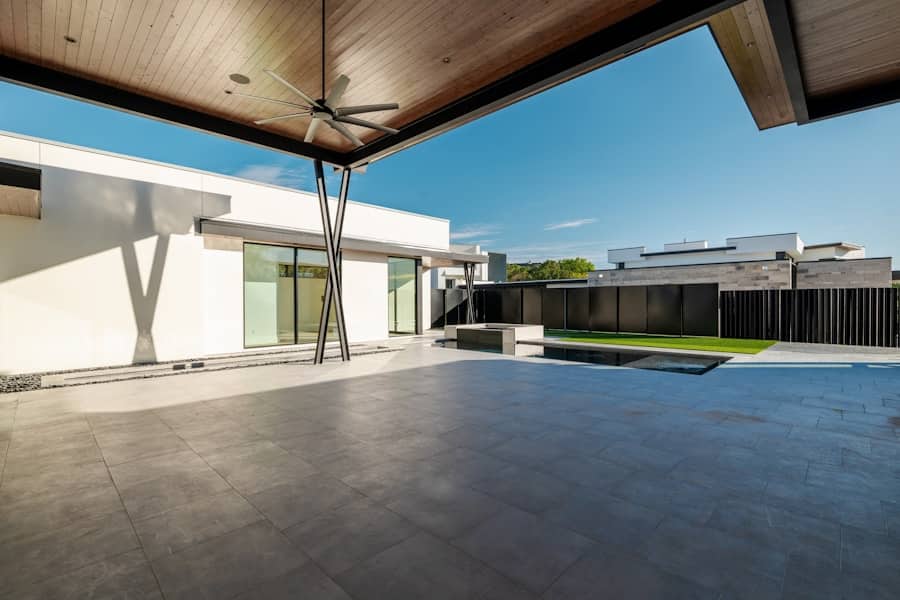
Concrete Patios
Outdoor living surfaces planned around furniture, foot traffic, and how your household actually uses the yard.
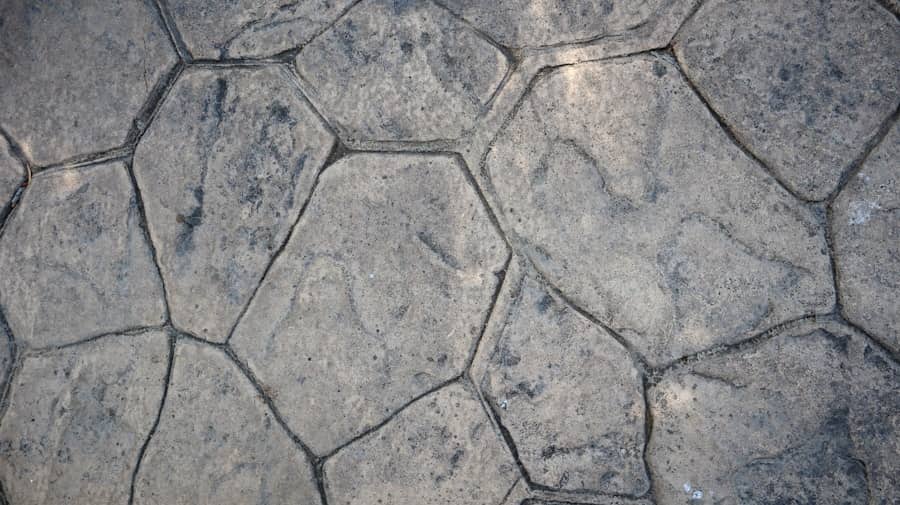
Stamped Concrete
Stone, brick, slate, and plank patterns pressed into fresh concrete, colored in layers and sealed for depth.
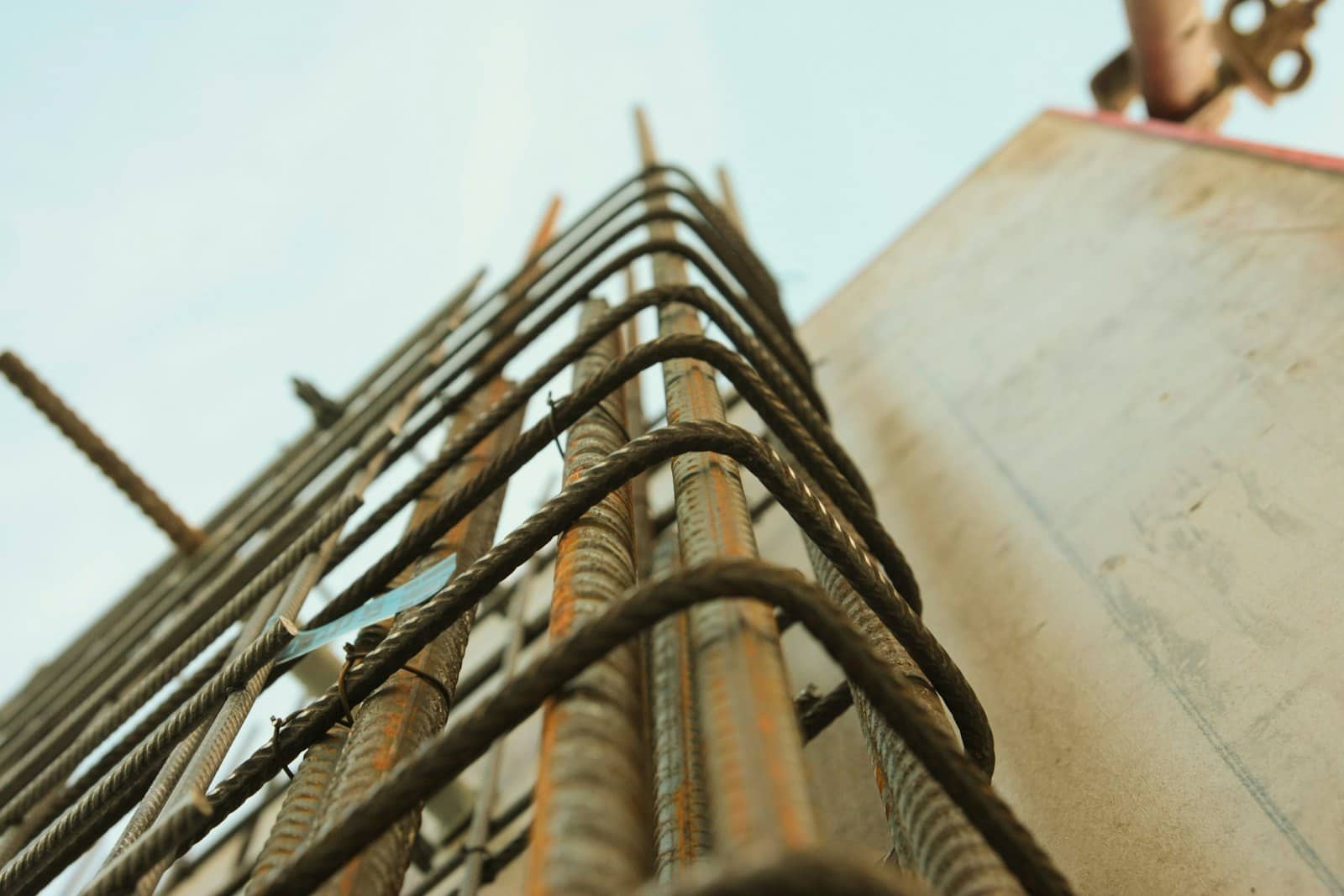
Foundations & Slabs
Structural concrete that carries the building — slab-on-grade, tilt-up panels, cast-in-place walls, and additions.
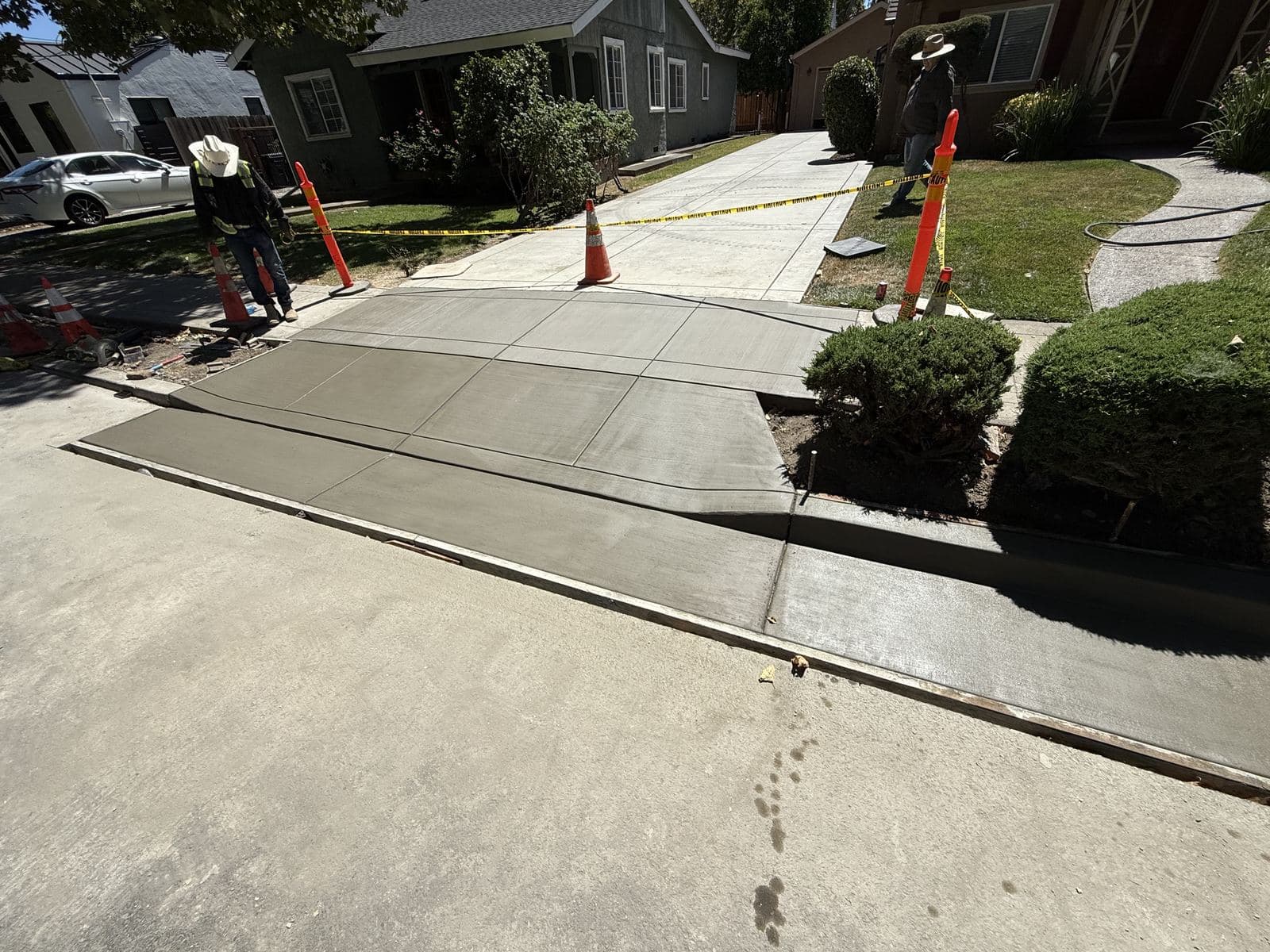
Driveway Contractor
Driveway Replacement in Fremont
Driveway replacement is the job we're called for most in Fremont. We break out the old slab, re-grade and compact the base, and pour a reinforced five- to six-inch driveway sloped to carry water away from the garage — the parts that decide whether a driveway lasts forty years or cracks in ten.
The apron between the sidewalk and the street sits in the public right-of-way, so replacing it needs an encroachment permit from the local public works department. We pull that permit as part of the job. Finishes run from a plain broom finish to exposed aggregate, stamped patterns, or a resin-bound overlay where the existing slab is still sound.
- Tear-out, haul-off, and base re-compaction
- Reinforced 5–6" slab rated for today's vehicles
- Drainage sloped away from the garage and house
- Apron encroachment permit handled for you
- Broom, exposed aggregate, stamped, or resin-bound
- Per sq ft, broom finish
- $12–$18Per sq ft, broom finish
- Lifespan, built properly
- 30–50 yrsLifespan, built properly
- Written estimate
- FreeWritten estimate
Concrete Driveway Cost in Fremont
Installed pricing including demolition of the old slab, base preparation, reinforcement, and finishing. Your written estimate is fixed to your site after we've seen it.
| Finish | Installed cost | Typical 600 sq ft driveway |
|---|---|---|
| Standard broom finish | $12–$18 / sq ft | $7,200–$10,800 |
| Exposed aggregate | $15–$22 / sq ft | $9,000–$13,200 |
| Stamped & colored | $18–$28 / sq ft | $10,800–$16,800 |
| Resin-bound overlay (existing slab) | $18–$28 / sq ft | $10,800–$16,800 |
05
Property Styles Across Fremont
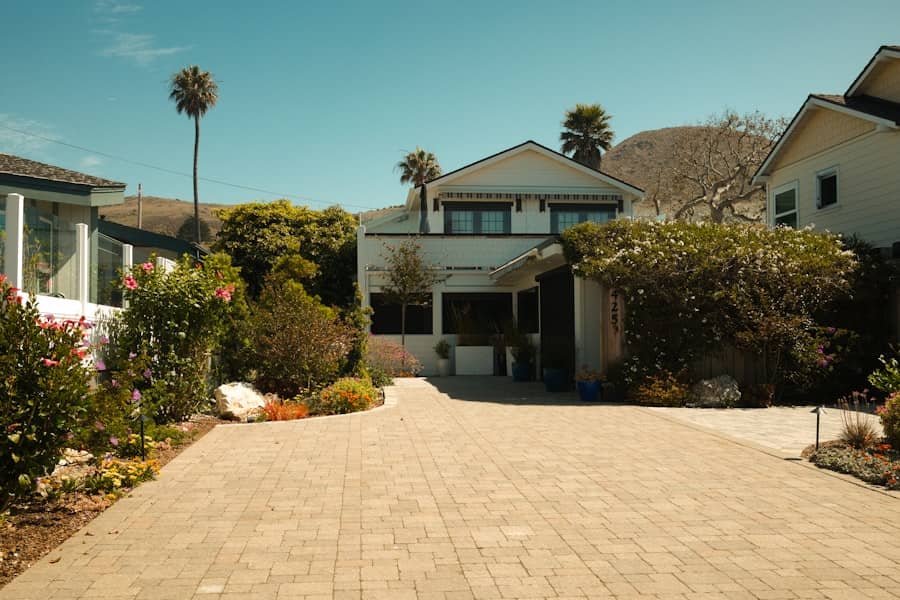
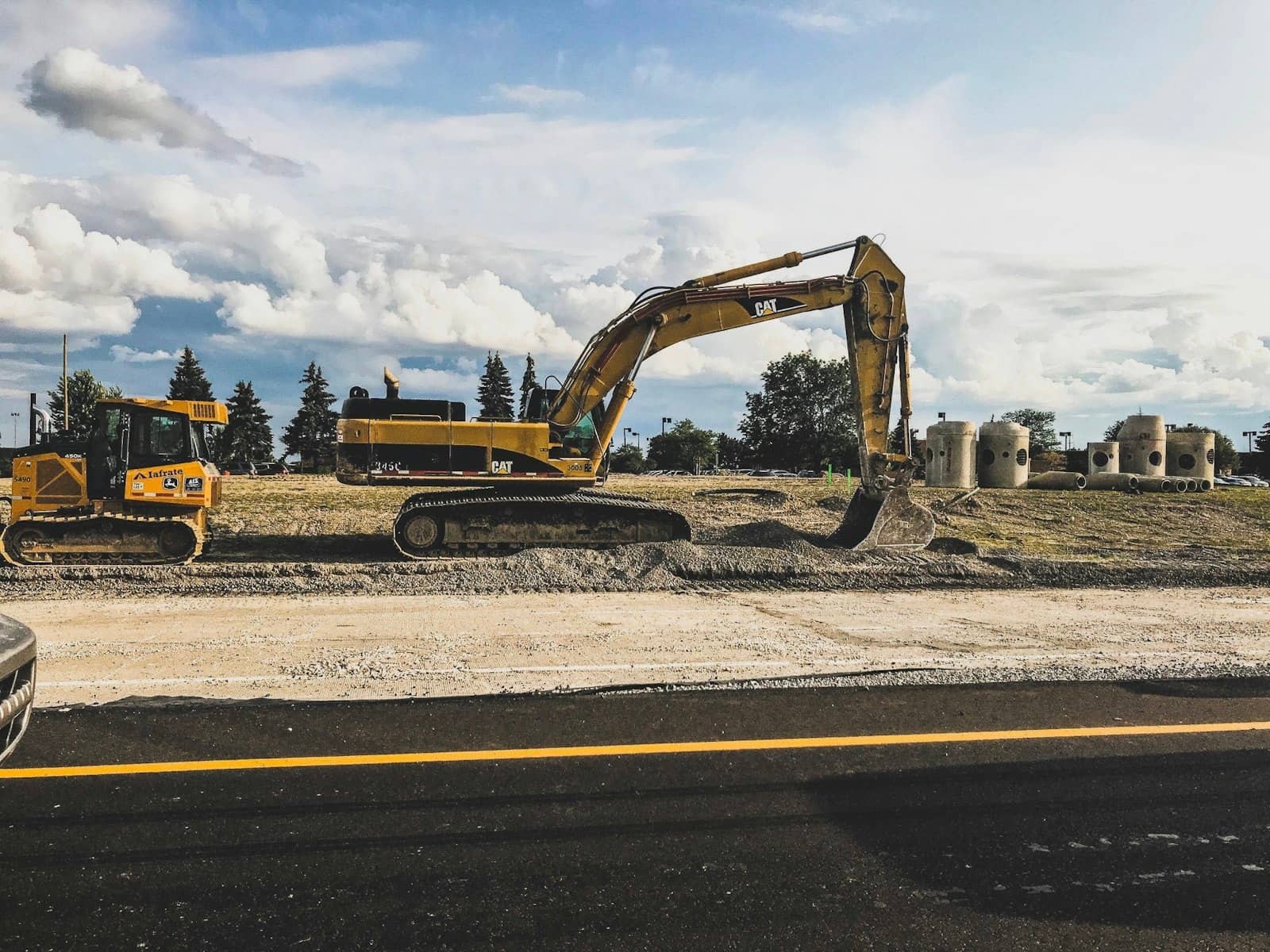
Housing spans a century, from early-twentieth-century homes in Niles and Mission San Jose through extensive postwar tract development across Centerville and Irvington, to substantial recent construction in Warm Springs and along the transit corridors. Lot sizes and driveway configurations vary accordingly.
06
Ground Conditions and Site Considerations
Fremont runs from the bay margin on its western edge up to the hills in the east, and the ground changes considerably along that gradient. Bay-adjacent western areas can involve fill, softer soils, and a higher water table. Eastern neighborhoods toward Mission Peak bring slope and firmer ground.
How Fremont Weather Affects the Work
Warm and dry through summer with a moderating bay influence on the western side. The city's size means conditions differ slightly between the bay edge and the hills, though not enough to change construction practice significantly.
Concrete Problems We See Most in Fremont
Every city has its own recurring issues. These are the ones that come up disproportionately here.
Soft soils near the bay margin
Western Fremont's proximity to the bay means some areas have fill or compressible soils where base preparation and slab design need more attention than a standard valley lot.
Aging postwar tract concrete
The large Centerville and Irvington tracts have original driveways now well past their design life, typically failing at the apron and along the garage approach.
Character-appropriate work in historic districts
Niles and parts of Mission San Jose have genuine historic character where a standard modern slab looks out of place on the streetscape.
Built to Last
How We Build Concrete That Survives This Ground
Whatever the soil does in Fremont, the answer is the same in principle: build the layers under the slab properly and design for the movement rather than hoping it doesn't happen.
This is what a slab we build looks like in section. Skipping any one of these layers is the single most common reason concrete in this area fails early.
What happens when a layer gets skipped
- 5
Concrete slab
3,000–4,000 PSI · 4" home, 6"+ vehicles
Four inches under a delivery truck cracks, every time. Thickness has to match the heaviest thing that will ever sit on it — not the family car.
- 4
Reinforcement
#4 rebar at 18" centers, chaired
Rebar lying on the base does nothing at all. It has to sit in the slab's middle third, where it can hold a crack closed instead of watching one open.
- 3
Vapor barrier
10-mil sheeting under interior slabs
Without it, ground moisture wicks up through the concrete. That delaminates coatings, lifts flooring, and leaves a garage or shop slab that never fully dries.
- 2
Aggregate base
Crushed Class 2 rock, 4–6" in lifts
Pour straight onto soil and water has nowhere to drain. It collects under the slab, softens the ground, and the support the slab was designed around disappears.
- 1
Compacted subgrade
Graded to fall, compacted to 90–95%
Skip the compaction and the slab settles unevenly within a few wet seasons. One side drops, a crack opens across the difference, and no surface repair will hold it.
Transformations
The Condition We're Usually Called To
Representative comparisons of the problems that bring people to us, and what replacement achieves. Drag the handle across each frame.
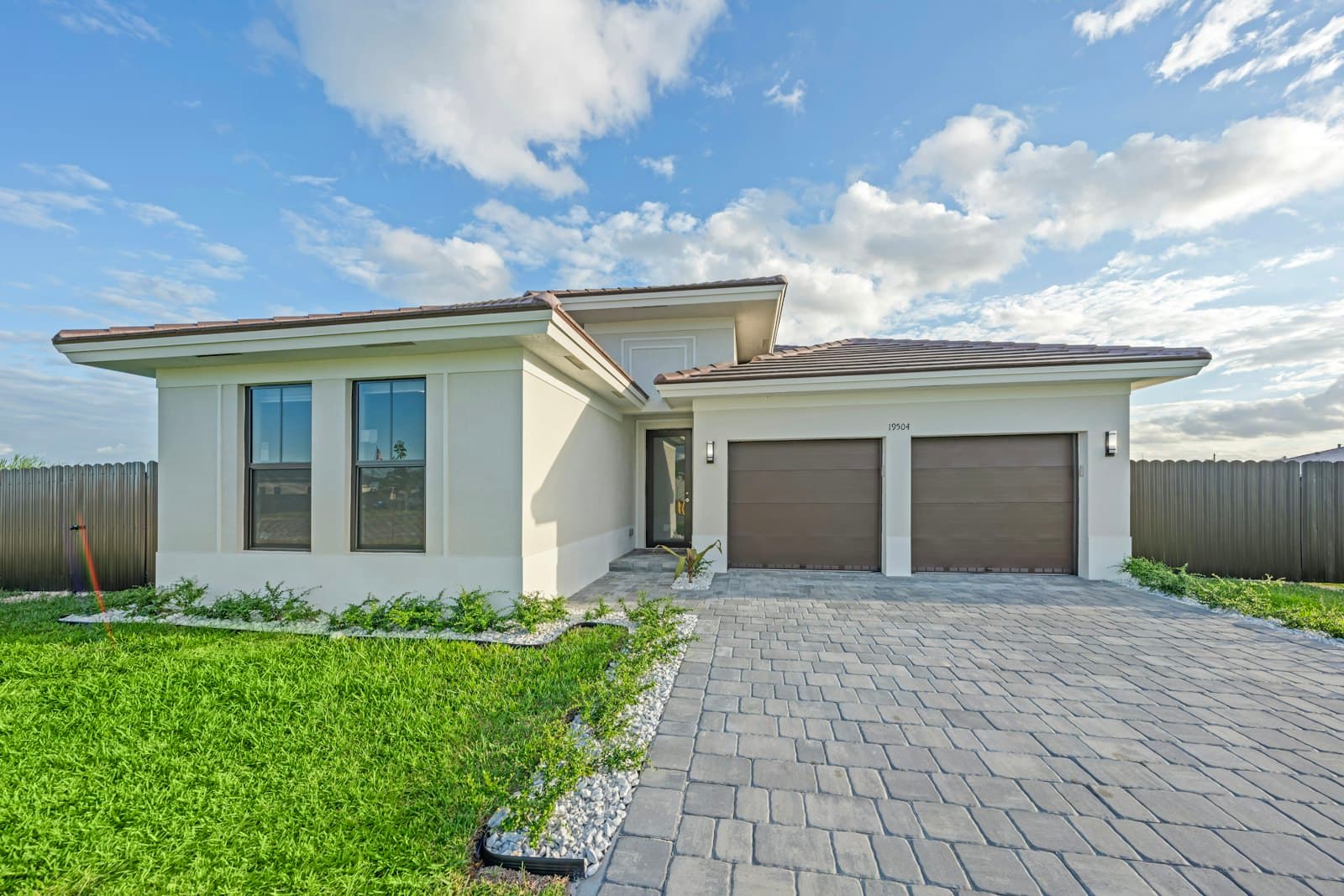

Typical 1960s tract home
Driveway replacement
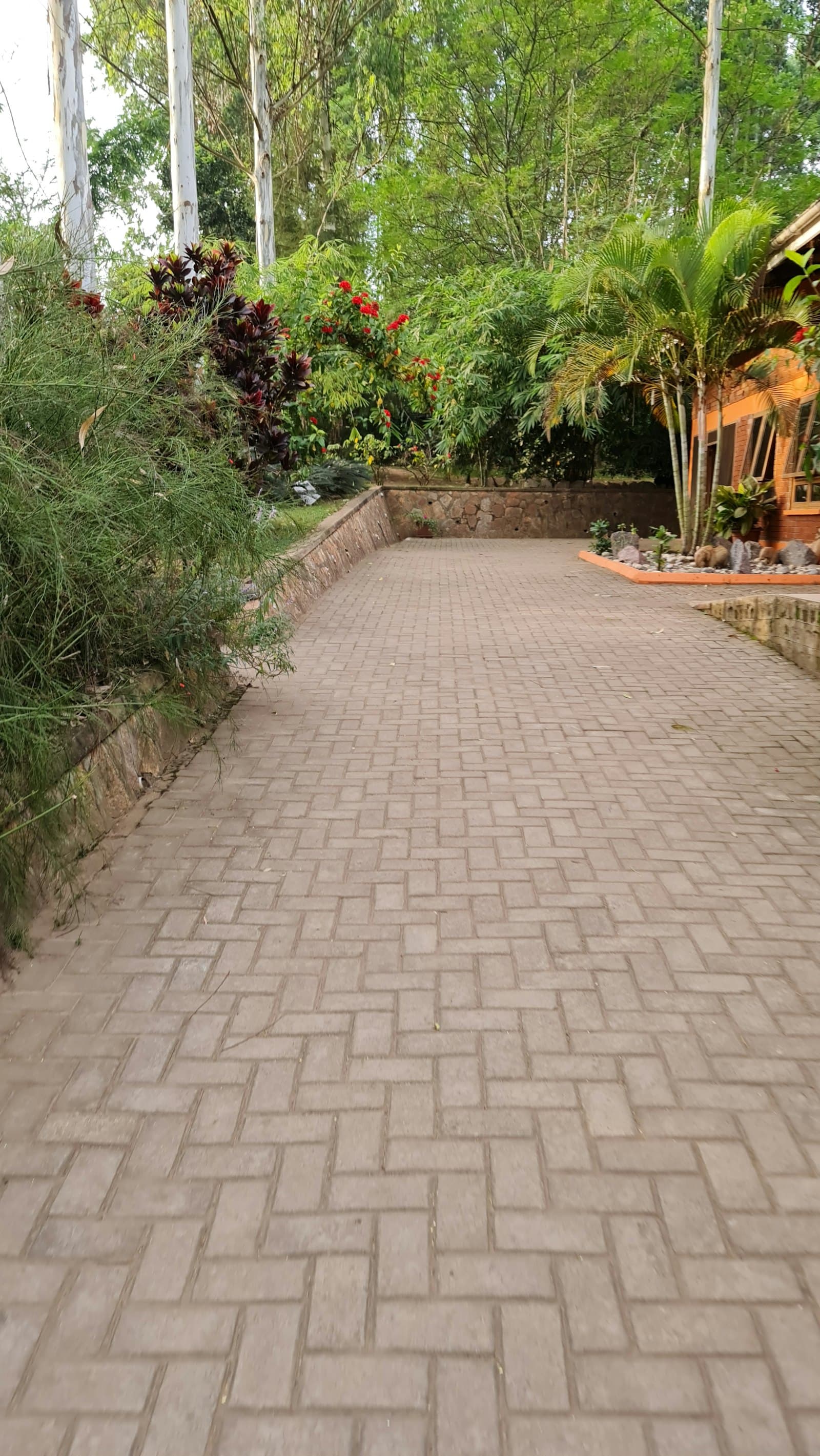
A driveway poured at three and a half inches on uncompacted native soil, cracked through in three places and settling toward the garage. Replacement went in at five inches over six inches of compacted Class 2 base, with rebar chaired into the slab and the fall reversed away from the house.
- Water now runs to the street instead of the garage slab
- Thickness and reinforcement rated for two modern vehicles
- Control joints cut on a grid, so future movement is directed
Shaded rear yard
Patio rebuild
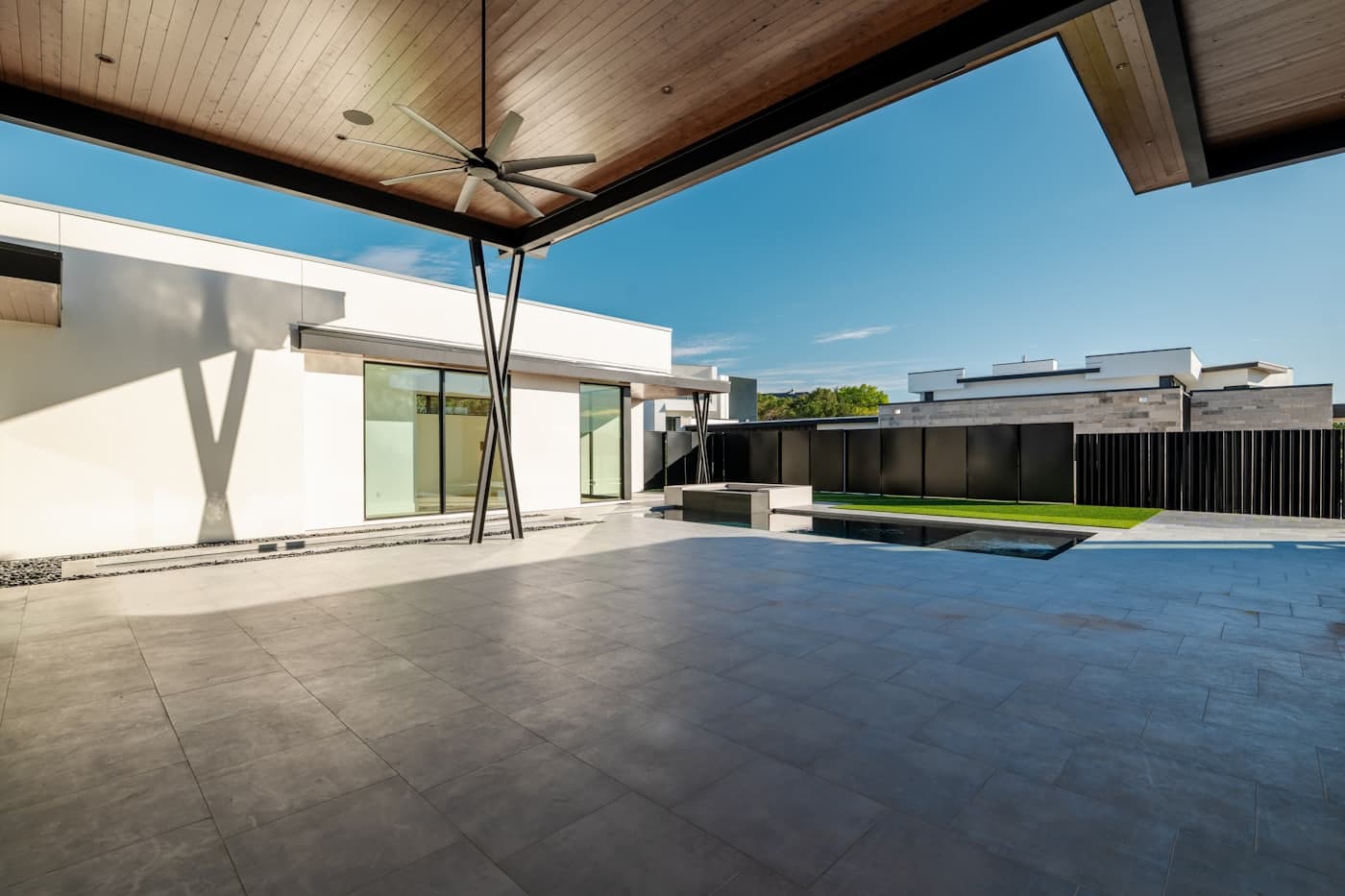
A north-facing patio that stayed damp year round, growing moss in the joints and holding water against the house wall. Rebuilt with fall built into the slab, a wider footprint, and a sealed decorative finish that sheds water instead of holding it.
- Positive fall away from the building, no standing water
- Sealed surface that resists moss and organic staining
- Footprint extended to take a full outdoor dining setting
Mature street-tree frontage
Front walkway & entry
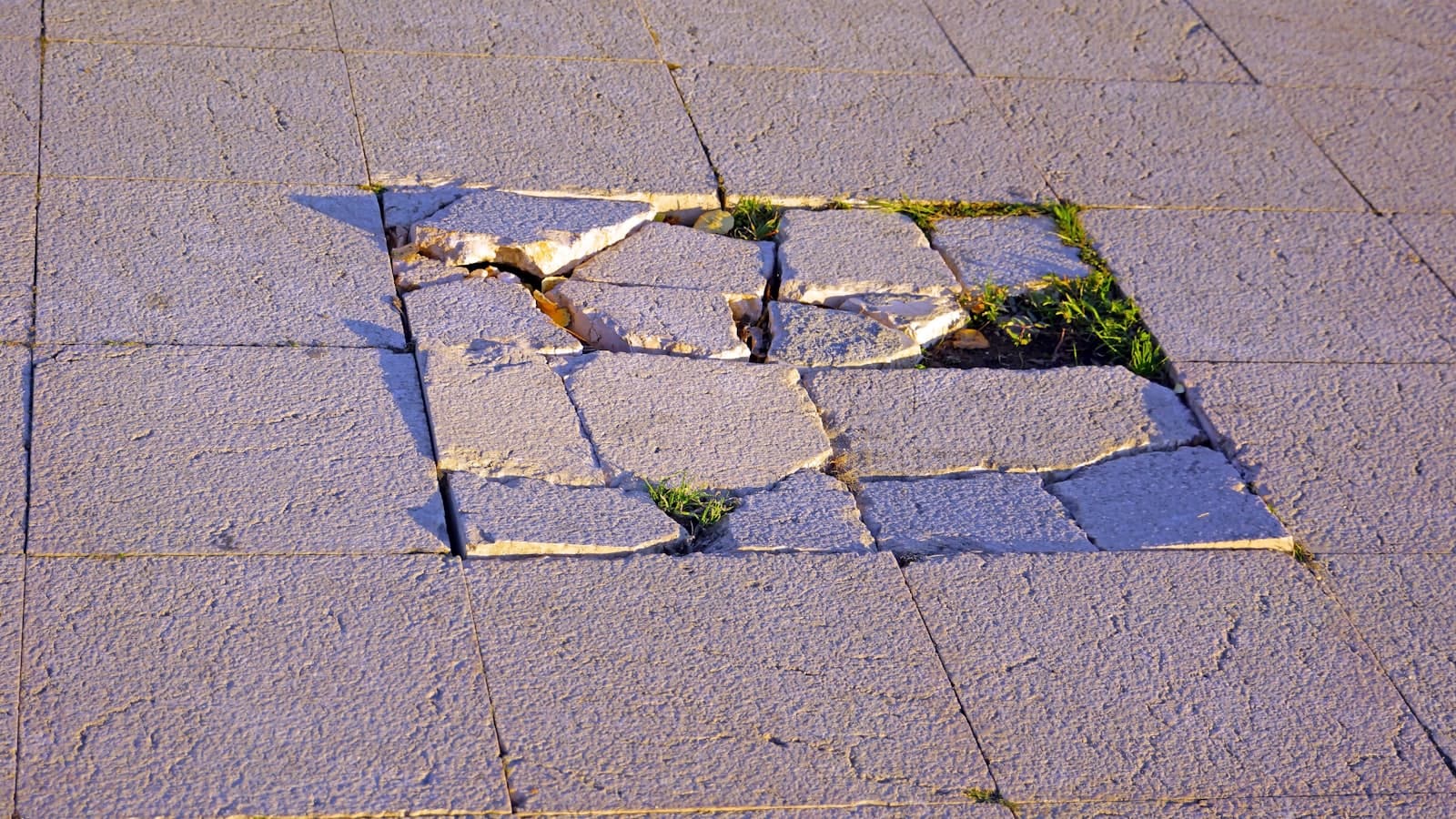
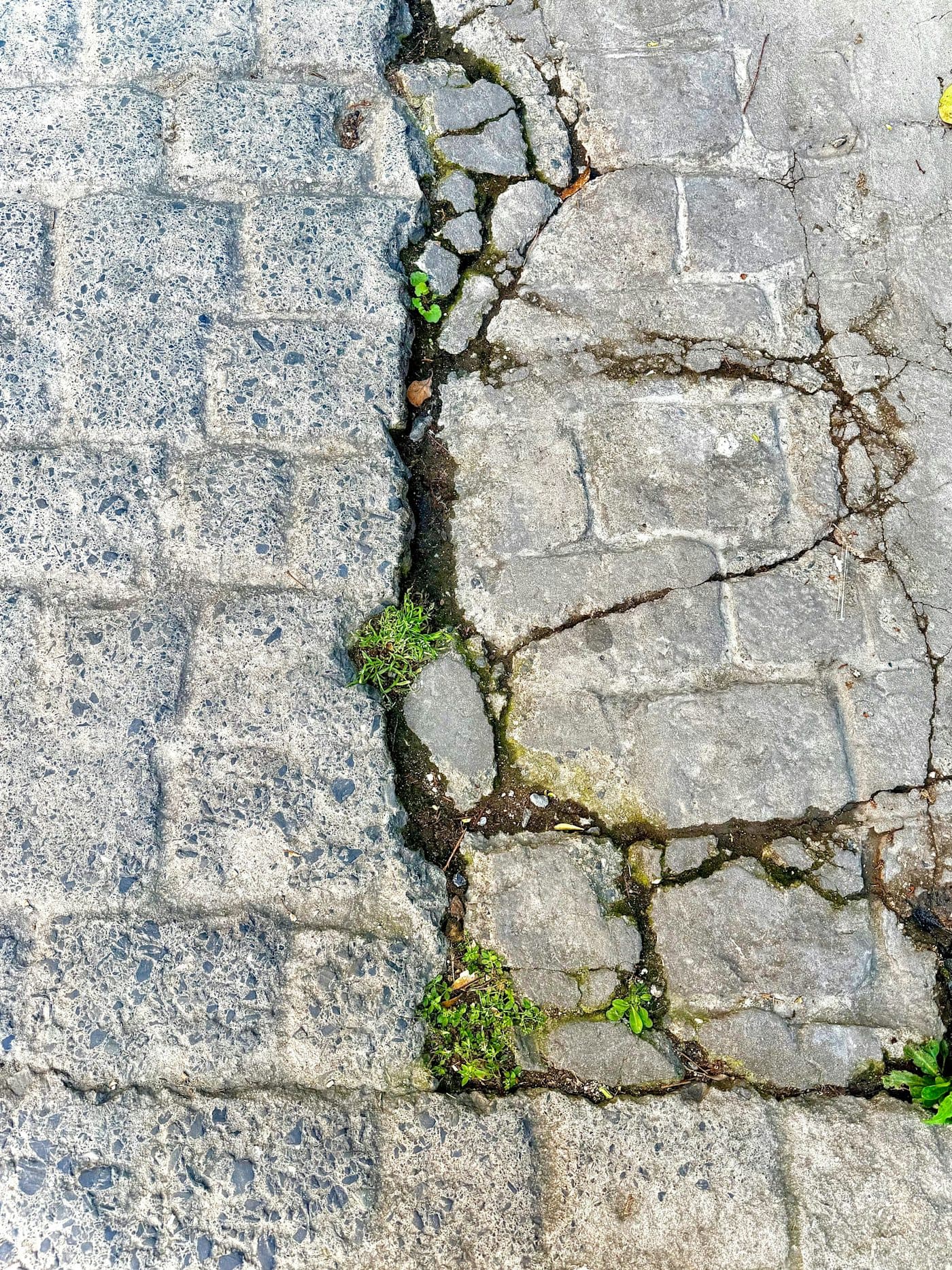
Root heave from a protected street tree had lifted three panels into a trip hazard and opened the joints to weeds. Replaced with a root barrier, a flexible joint at the tree side, and a patterned finish that ties the entry to the house.
- Trip hazard removed and the accessible route reinstated
- Root barrier installed without harming the protected tree
- Decorative finish that lifts the whole entry approach
Drag the handle — or use the arrow keys — to compare the condition before and after.
Residential and Commercial Work in Fremont
Two sides of the same business — the same crews and the same standards, sized to the project.
For Homeowners
- Driveways and vehicle aprons
- Patios and outdoor living areas
- Pool decks and surrounds
- Garage and workshop floors
- Hot tub and equipment pads
- Steps, landings, and stoops
- RV and boat parking pads
For Businesses
- Parking lots and drive aisles
- Loading docks and truck aprons
- Industrial and warehouse floors
- Foundations, footings, and slabs
- Sidewalks and accessible routes
- Curbs, gutters, and wheel stops
- Trash enclosure and equipment pads
- Courtyards and pedestrian plazas
For Businesses
Commercial Concrete in Fremont
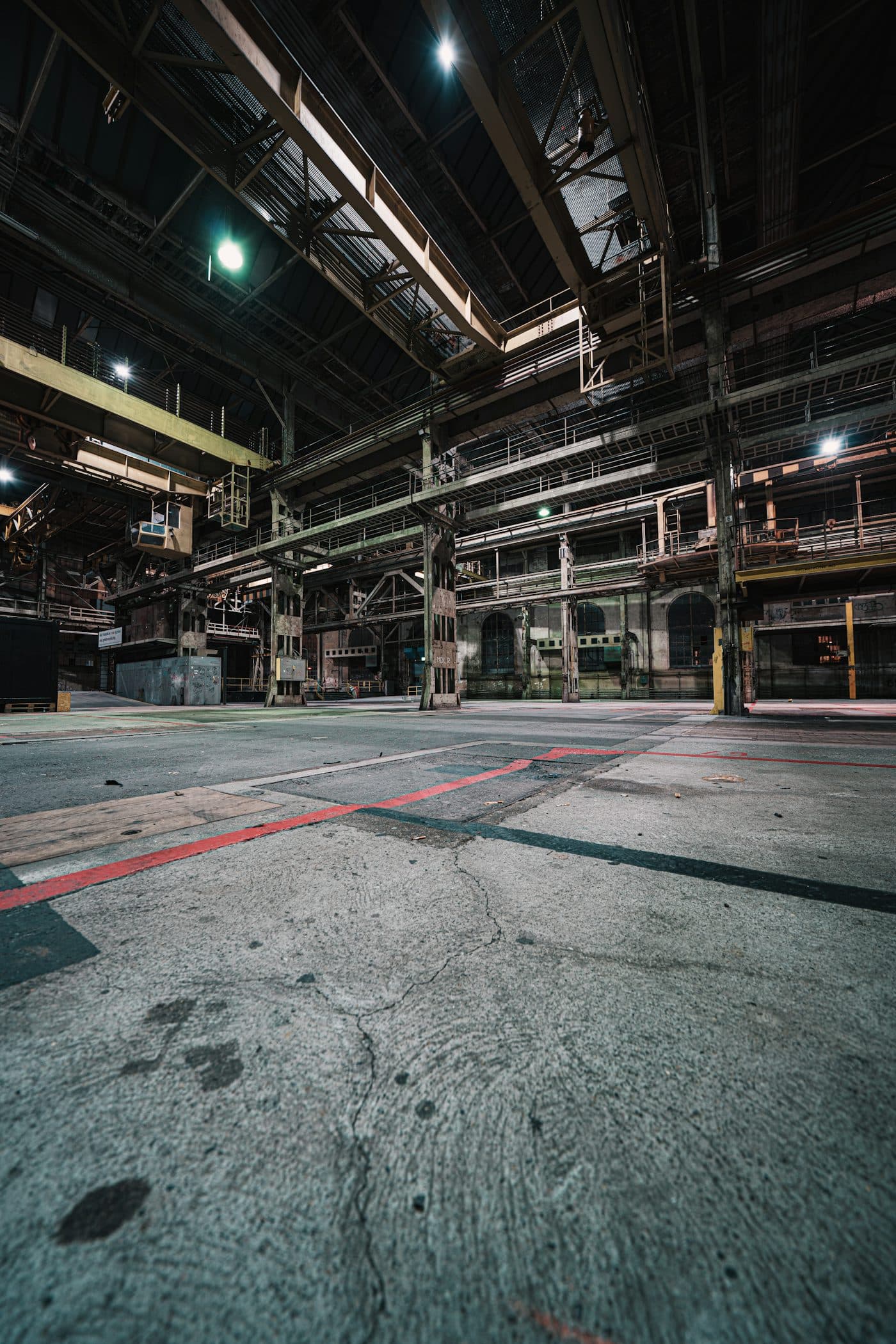
Fremont has a substantial industrial and manufacturing base, which keeps us working on warehouse floors, loading docks, and truck circulation surfaces, alongside retail parking along the major corridors and the commercial development around the transit stations.
- Parking lots and drive aisles
- Loading docks and truck aprons
- Industrial and warehouse floors
- Foundations, footings, and slabs
- Sidewalks and accessible routes
- Curbs, gutters, and wheel stops
Neighborhoods We Work In
Mission San Jose · Niles · Irvington · Centerville · Warm Springs · Ardenwood · Glenmoor
Mission San Jose and Niles call for a more considered approach given their historic character. Centerville, Irvington, and Glenmoor are classic postwar tract territory with straightforward replacement work. Ardenwood and Warm Springs skew newer, with more recent construction and HOA-managed common areas.
Why Work With Us
What Fremont Property Owners Get
The commitments written into every estimate we send, and what you can hold us to once the job is done.
Licensed & Fully Insured
General liability and workers' compensation on every job, so work happening on your property is never your exposure.
Two Decades Locally
Twenty-plus years working this ground. We already know how Fremont permitting runs and what fails here.
Free Written Estimates
On-site assessment, written scope, itemized price, no obligation — and no verbal number that drifts later.
What Working With Us Looks Like
From first call to finished slab, here's how a Fremont project runs.
Free on-site consultation
We come out, look at the existing conditions, and talk through what you're trying to achieve — including whether the work you're asking about is actually the work you need.
Written estimate and design decisions
You get a written scope and price, plus a walkthrough of finish, color, and layout options with physical samples where decorative work is involved.
Permits and scheduling
Where the work needs city approval or an encroachment permit, we handle the application and build the timeline around it.
Demolition and site preparation
Old material is removed, the base is graded to the drainage design and compacted properly. This stage decides how long the finished slab lasts.
Pour, finish, and cure
Concrete is placed and finished to the specification you chose, control joints are cut on a planned grid, and the slab is cured under controlled conditions.
Walkthrough and aftercare
We walk the finished work with you and leave you with clear guidance on when you can use it and how to keep it looking right.
Aftercare
Keeping Concrete in Good Condition in Fremont
Four habits that do most of the work of getting three decades out of a slab in this climate.
Reseal on a schedule
Every 2–3 yearsDecorative and stamped work every two years, plain flatwork every three. Waiting until it looks tired means it has already been absorbing water for a season.
Clear and refill the control joints
AnnuallyJoints exist so the slab cracks where you chose. Packed with grit and weeds they stop working, and the slab cracks somewhere you didn't choose.
Check drainage before the wet season
Each autumnConfirm downspouts discharge past the concrete and soil hasn't built up above the slab edge. Most local concrete failures are water failures first.
Clean oil and rust quickly
As it happensPetroleum breaks down the surface paste and rust penetrates deep enough to become permanent. Degreaser and a stiff brush within a few days is enough.
Fremont Concrete Questions
Questions we're asked regularly by Fremont property owners.
Every Service Available in Fremont
Flatwork covers the surfaces you walk and park on. Structural concrete carries buildings and heavy commercial loads.
55 Cities Served
Santa Clara, Alameda, San Mateo & Santa Cruz counties
Nearby
Also Serving Around Fremont
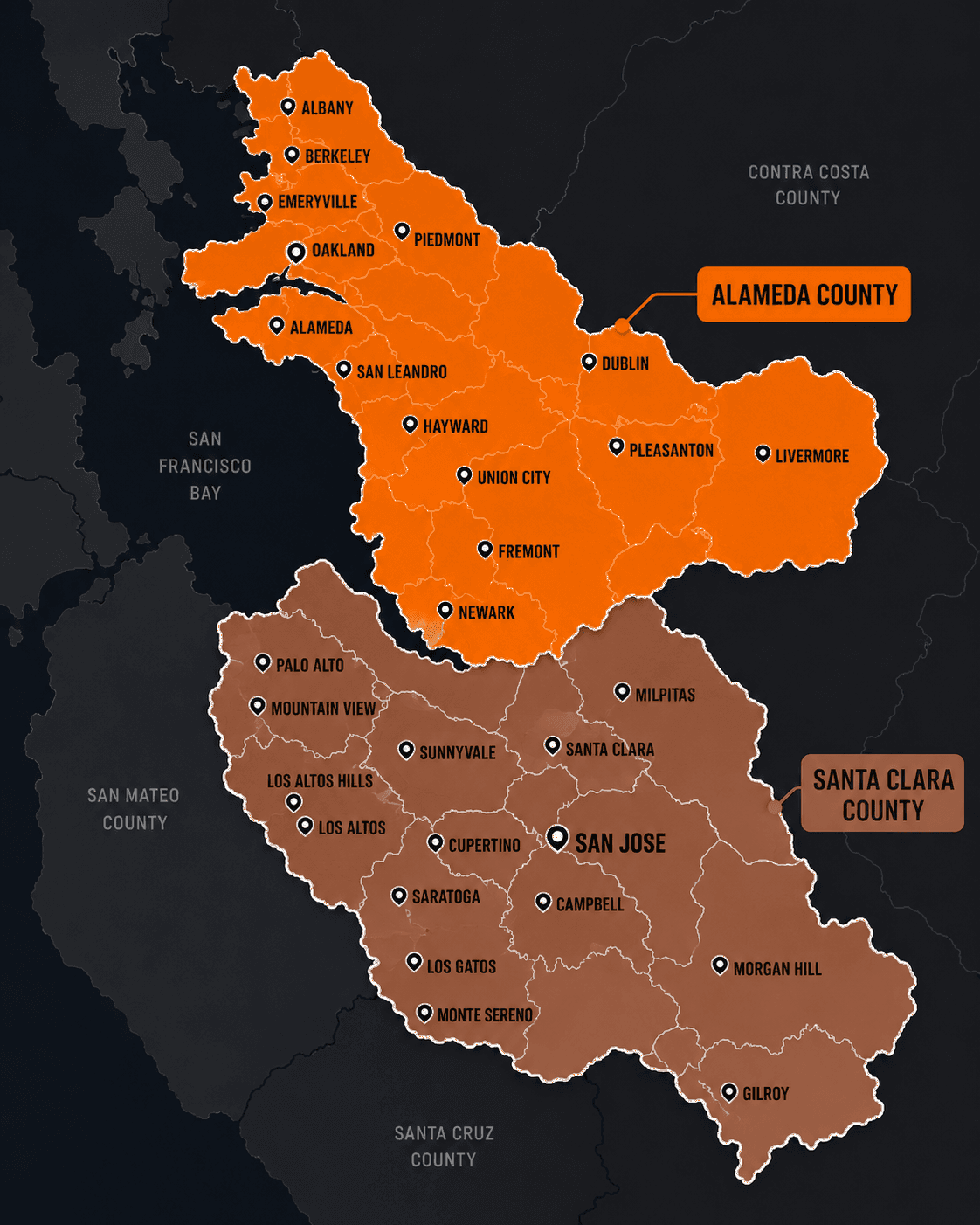
We work throughout Alameda County and across the county line. If your property sits just outside Fremont, we almost certainly cover it — these are the pages closest to you.
Nearby cities
Get a Free Fremont Concrete Estimate
Tell us what you're planning and we'll come out, look at the site, and give you a written estimate with no obligation.