Quick answer
When should you seal new concrete?
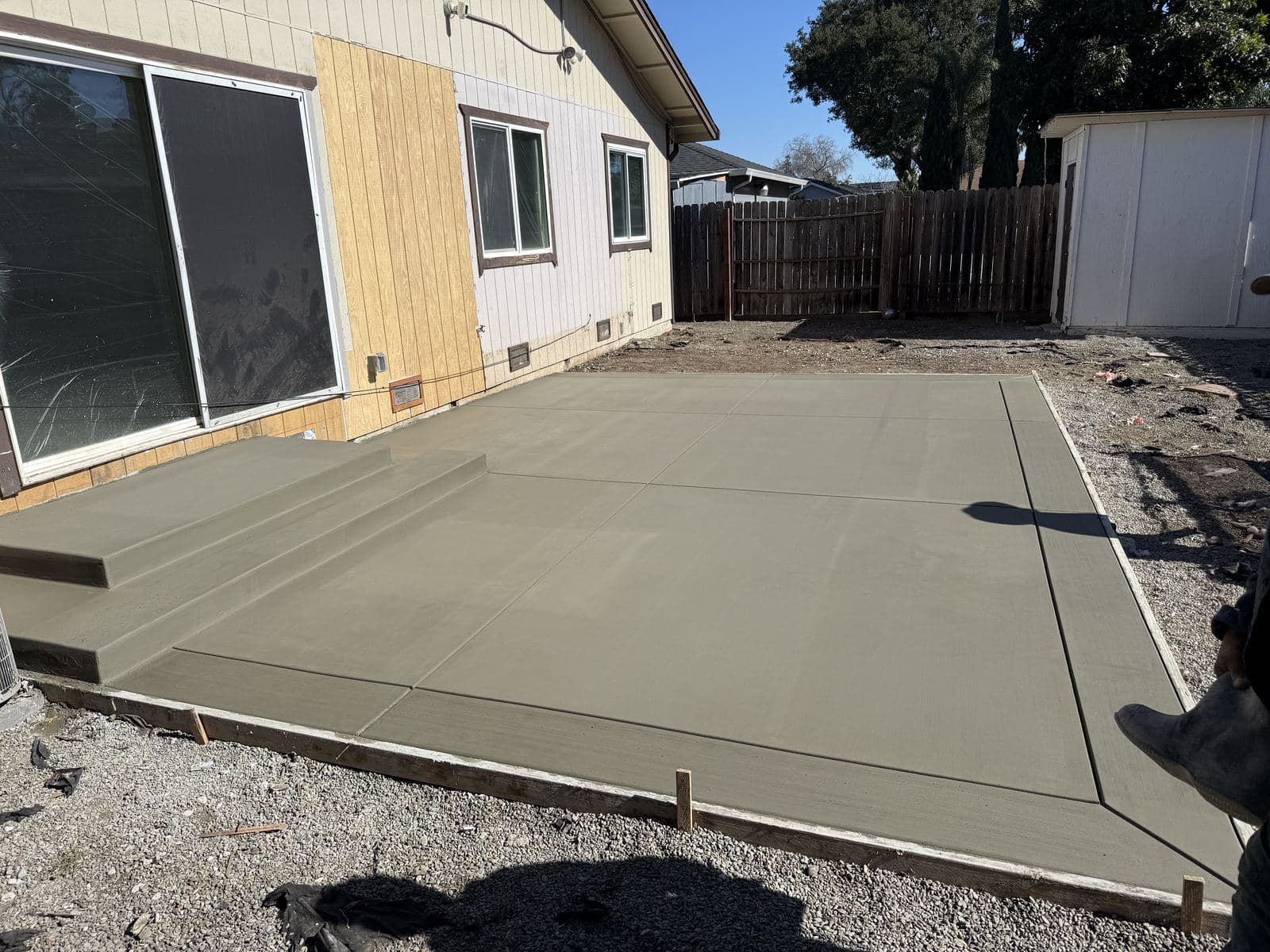
Wait at least 28 days after the pour before sealing most new concrete, so enough moisture has left the slab. Seal on a dry day with no rain forecast, with air and surface temperatures roughly between 50°F and 90°F, after cleaning the surface. Some sealers are designed to go on fresh concrete as a cure-and-seal, but standard sealers applied too early can trap moisture and turn cloudy or peel.
- Wait before sealing
- 28+ days
- Weather
- Dry, ~50–90°F
- Readiness test
- Plastic sheet test
- Then reseal
- Every 2–3 years
Why sealing too early causes problems
New concrete contains a lot of water, and much of it leaves the slab over the first weeks as the concrete cures and dries. A film-forming sealer applied too soon blocks that moisture. Vapor trying to escape gets trapped under the sealer, which can turn it white and cloudy (blushing), cause it to lose adhesion and peel, or leave blotchy patches.
Penetrating sealers — silanes and siloxanes — are more breathable and more tolerant of moisture, but they still need the surface to be dry enough to soak in. Waiting the full 28 days avoids most problems with either type.
From pour to first seal
Day 0
Pour and finish
Curing begins; a cure-and-seal product may be applied if specified.
Days 1–7
Early curing
Keep moist; light traffic only.
Days 7–28
Drying and strength gain
Moisture continues to leave the slab.
Day 28+
Ready to seal
Test, clean, and seal in suitable weather.
Every 2–3 years
Reseal
When water stops beading.
How to tell if concrete is ready to seal
The simple plastic sheet test is a good check. Tape a square of clear plastic, about 18 by 18 inches, tightly to the surface on all sides and leave it in place for a day. If condensation forms under the plastic or the concrete underneath darkens, there's still too much moisture coming out; wait longer.
Also check that the surface is clean and absorbent. Sprinkle water on it: if the water soaks in and darkens the concrete, a penetrating sealer will soak in too. If water beads, there may be a curing compound or existing sealer that needs removing first.
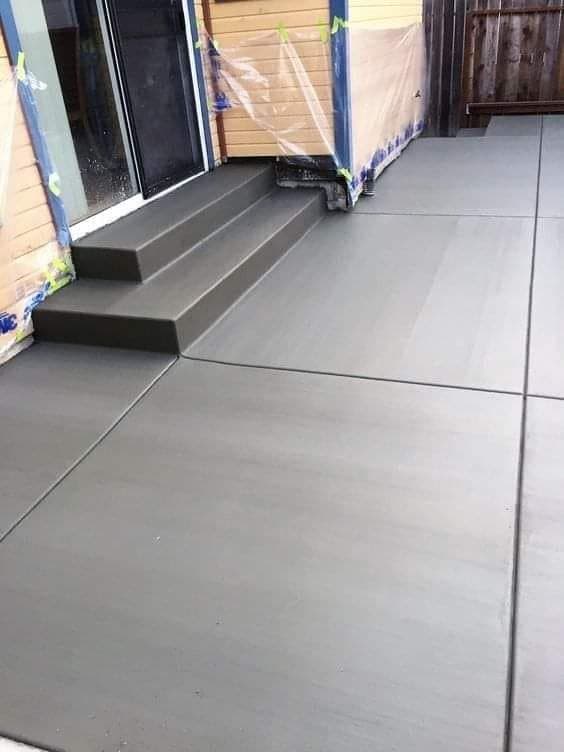
New concrete needs time
Choosing a sealer for new concrete
Penetrating (silane/siloxane)
Pros
- Invisible or nearly so
- Breathable
- Not slippery
- Long-lasting protection from water
Cons
- Doesn't enhance color
- No gloss
Verdict — Best for plain driveways, walks, and patios.
Acrylic (film-forming)
Pros
- Enhances color
- Adds sheen
- Easy to reapply
Cons
- Wears faster in traffic
- Can be slippery without grit
- Sensitive to moisture
Verdict — Standard for stamped and colored concrete.
Cure-and-seal products
Pros
- Applied right after finishing
- Helps curing
Cons
- Not a long-term sealer
- Must be compatible with later sealers
Verdict — Useful at the pour; reseal later as planned.
How to seal new concrete
Confirm it's ready
At least 28 days of curing and a passing plastic sheet test.
Check the forecast
Dry weather for at least 24 hours, within the product's temperature range.
Clean the surface
Sweep, wash, and remove any oil or stains; let it dry fully.
Protect surroundings
Mask walls, doors, and landscaping from overspray.
Apply thin coats
Use a sprayer or roller; two thin coats beat one thick coat.
Let it cure
Keep foot traffic off for the time on the label and cars off longer.
Weather and timing in the Bay Area
Late spring through early fall is the easiest time to seal in most of the Bay Area: dry, mild, and predictable. Avoid very hot afternoons inland, when the sealer can flash-dry and leave lap marks; early morning works better. On the coast, wait for a dry spell and allow fog to burn off so the surface is dry.
Winter sealing is possible between storms, but cool temperatures slow curing and dew can affect the finish. If a new slab is poured in late fall, it's often best to seal it in spring.
What happens if you never seal new concrete
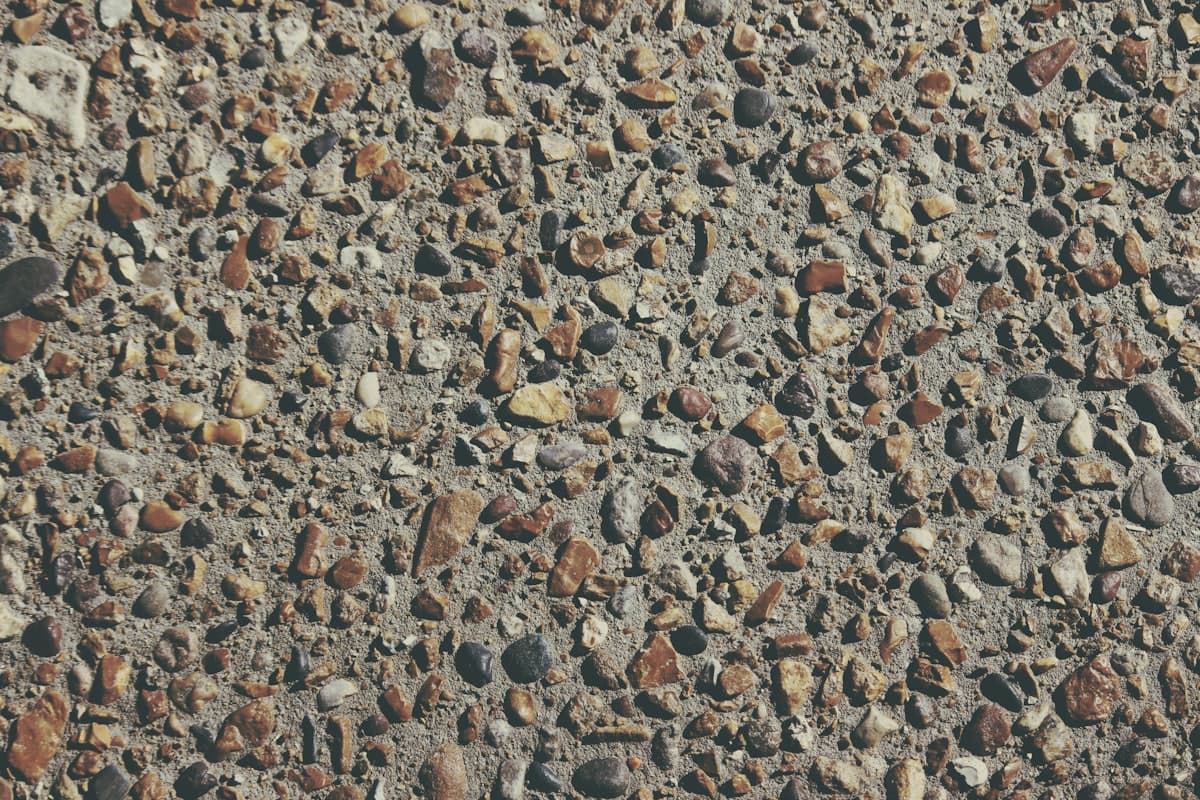
Plain concrete doesn't have to be sealed, and many slabs last decades unsealed in the Bay Area's mild climate. But sealing reduces water absorption, resists oil and other stains, slows surface wear, and keeps decorative concrete looking good. For stamped, colored, and exposed aggregate concrete, sealing is part of the finish system and should not be skipped.
Sealing decorative concrete
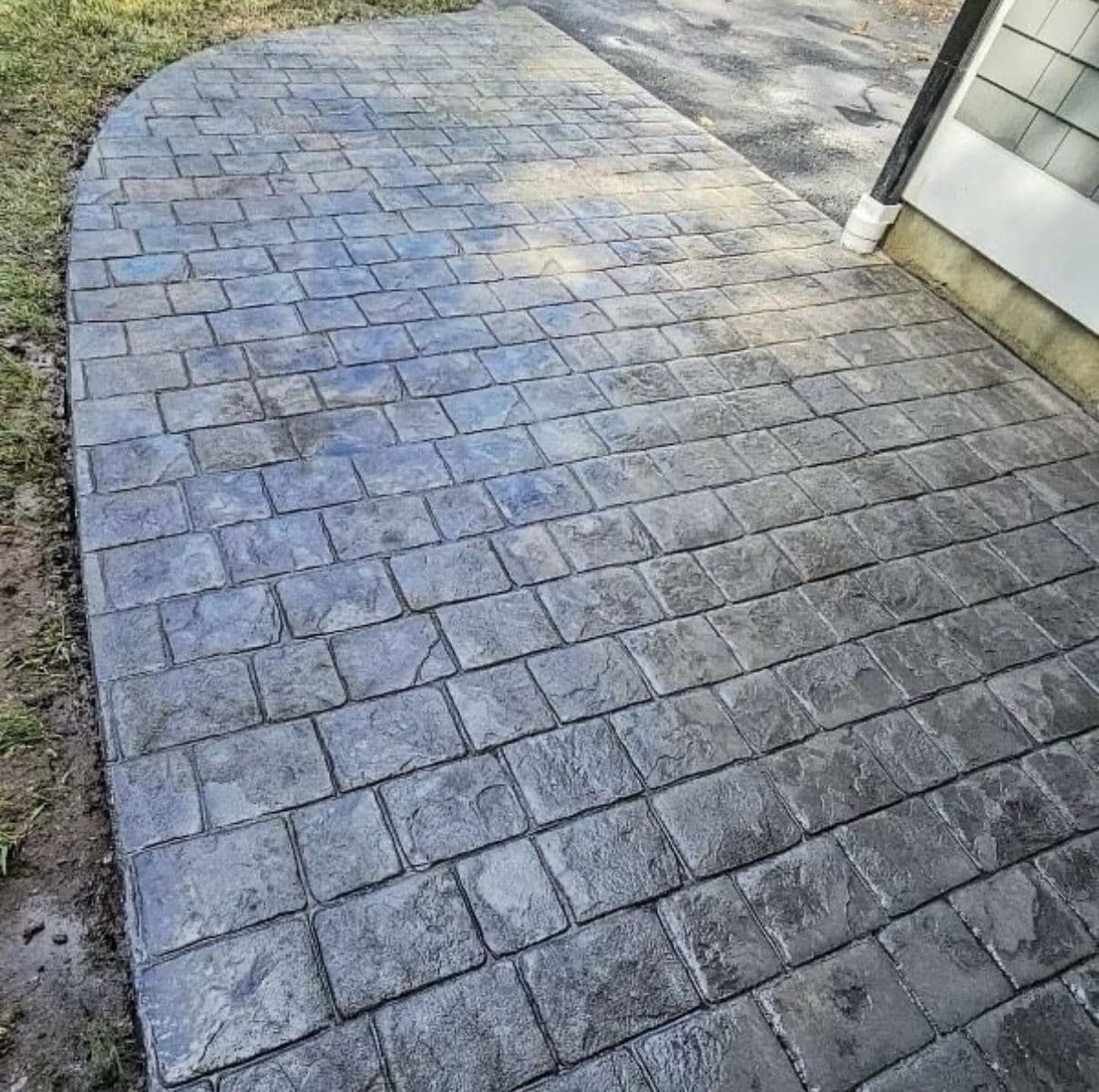
Stamped, colored, and stained concrete depend on their sealer for appearance as well as protection. The sealer deepens color, highlights texture, and protects color hardener and stain from UV and wear. Many decorative installations receive a first coat of sealer shortly after the release agent is washed off, using a product designed for that timing, followed by a full seal later.
Follow your installer's schedule for decorative concrete, because the products used are matched to that system. Mixing incompatible sealers — for example, applying a solvent-based acrylic over a water-based one — can cause the new coat to fail.
Sealer type by surface
| Surface | Typical sealer | Reseal |
|---|---|---|
| Plain driveway | Penetrating silane/siloxane | 2–3 years |
| Plain patio or walk | Penetrating or acrylic | 2–3 years |
| Stamped / colored | Acrylic (with grit if needed) | 2–3 years |
| Exposed aggregate | Acrylic or penetrating | 2–3 years |
| Interior floor | Densifier + guard or sealer | 8–10 years |
Removing curing compound before sealing
Many contractors apply a curing compound right after finishing to slow moisture loss. Some curing compounds dissipate over weeks; others leave a film that can interfere with sealers, stains, or coatings. Before sealing, check whether water soaks into the surface. If it beads where no sealer has been applied, a curing compound may still be present and may need to be removed by cleaning or light abrasion.
Decorative concrete and sealer
Sealing in the first year
After the first seal, check the surface periodically. Water that beads indicates the sealer is working. Areas in full sun or heavy traffic wear first. If water starts soaking in, it's time to reseal — typically every two to three years outdoors.
Clean the surface well before resealing, and use the same type of sealer or one confirmed to be compatible. Thin coats remain the rule.
How much sealer do you need?
Every sealer lists a coverage rate — the square feet one gallon covers — and it varies with the product and the porosity of the concrete. Rough broom-finished or exposed aggregate surfaces absorb more than smooth ones, and the first coat on new concrete usually takes more than later coats.
Measure the area, check the coverage rate, and buy enough for two coats where recommended. Running short mid-job leaves lap marks where fresh sealer meets dried sealer.
Spray or roll?
Low-pressure pump sprayers apply thin, even coats quickly and work well for penetrating sealers and the first coat on textured surfaces. Rollers work well for acrylic sealers on smoother surfaces. Many applicators spray and then back-roll to even out the coat and avoid puddles in low spots.
Whatever the method, keep a wet edge, work in manageable sections, and avoid applying in direct hot sun, which causes the sealer to dry too fast and leave marks.
Troubleshooting sealer problems
| Problem | Likely cause | Fix |
|---|---|---|
| White or cloudy | Moisture trapped; too thick | Re-dissolve with solvent (solvent-based) or strip and reseal |
| Peeling | Applied over moisture or old incompatible sealer | Strip and reseal properly |
| Slippery | Glossy film without grit | Add anti-slip additive in next coat |
| Lap marks | Uneven application, hot sun | Apply in cooler conditions, keep wet edge |
| Tire marks | Hot tires softening acrylic | Use a sealer suited to vehicle traffic |
Sealed exposed aggregate
Safety when sealing
Solvent-based sealers are flammable and give off strong vapors. Apply them outdoors with good ventilation, away from ignition sources, and wear the protective equipment the label recommends. Keep children and pets away until the sealer has cured.
Water-based sealers are lower in odor and easier to clean up, which makes them a good choice near living spaces, though they may have different performance characteristics. Always read and follow the product label.
New concrete in the garage
Interior garage slabs dry more slowly than exterior slabs because they're sheltered from sun and wind. They often benefit from waiting at least the full 28 days, and longer if the plastic sheet test still shows moisture, before applying a sealer or coating.
Coatings like epoxy are even more sensitive to moisture than sealers. If you plan to coat a new garage floor, moisture testing before application is essential, and many installers recommend waiting longer than 28 days.
Sealing after repairs
When a slab has been repaired — cracks filled, spalls patched, or a section replaced — the repair materials need their own curing time before sealing. Patching mortars may be ready in days, while new concrete sections need the full 28 days. Sealing the whole surface after repairs helps blend the appearance and protects both old and new concrete.
Key points
- Wait at least 28 days before sealing new concrete.
- Use the plastic sheet test to confirm it's dry enough.
- Seal in dry weather within the product's temperature range.
- Apply thin coats; avoid puddles and heavy build-up.
- Reseal every two to three years outdoors.
Penetrating vs film-forming: which lasts longer?
Penetrating sealers react within the concrete's pores and don't sit on the surface, so foot and tire traffic don't wear them away as quickly. Many last several years before water starts soaking in again. They're well suited to plain driveways and walkways where you want protection without changing the look.
Film-forming acrylic sealers sit on the surface, where they enhance color and add sheen but wear with traffic and sun. They typically need recoating every two to three years. On decorative concrete, that recoating is part of keeping the surface looking its best.
Sealing and slip resistance
Any sealer that forms a film can make concrete more slippery when wet, especially on smoother finishes. For walkways, pool decks, and driveways, adding an anti-slip additive — fine grit mixed into the final coat — restores traction. Penetrating sealers don't change texture, so they don't reduce grip.
If a sealed surface feels slick, adding grit to the next coat or switching to a penetrating sealer can solve the problem.
A freshly sealed patio
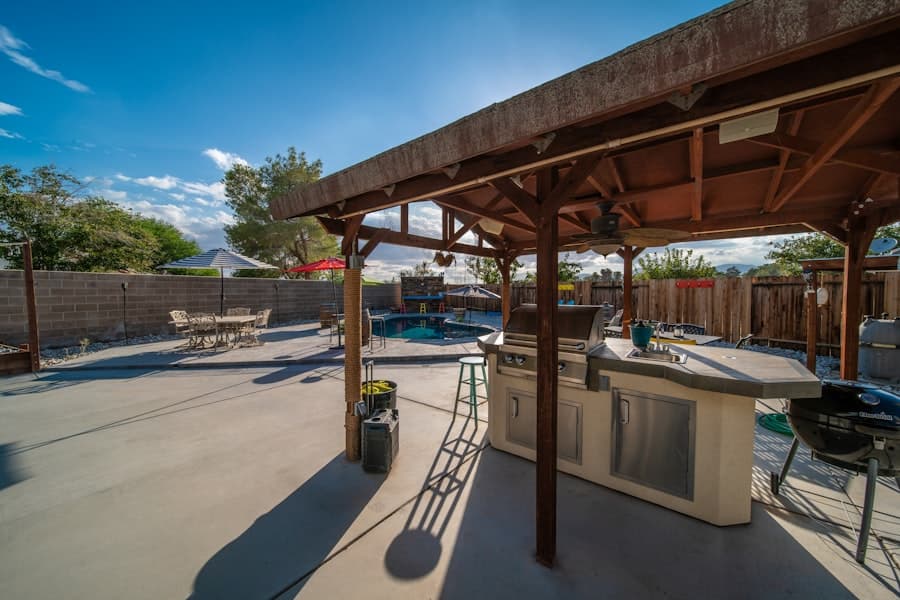
Sealing pool decks and patios
Pool decks and patios used barefoot benefit from penetrating sealers or acrylics with anti-slip grit, so the surface stays grippy when wet. Choose a sealer compatible with pool chemicals, keep splash-out from pooling, and reseal on schedule; regularly sealed decks resist staining, efflorescence, and surface wear far better than unsealed ones, and stay cooler and more comfortable underfoot. If your pool deck already has an older sealer, confirm the new product is compatible, or strip the old coating first, so the fresh sealer bonds properly instead of peeling or clouding within the first season.
Sealing and warranties
Some contractors include the first seal coat in their price, and some workmanship warranties expect sealing to be maintained. Ask whether sealing is included, which product will be used, and what maintenance is expected. Keeping a simple record of when the concrete was sealed helps if questions come up later, and makes it easier to plan the next reseal.
Summary
- New concrete needs at least 28 days before most sealers.
- Test moisture with a plastic sheet before sealing.
- Pick penetrating sealers for plain slabs, acrylics for decorative.
- Thin coats, dry weather, moderate temperatures.
- Reseal when water stops beading — usually every two to three years.
What a sealer actually protects against
Concrete is porous. Without protection, water soaks in, carrying dirt, oil, and dissolved salts. Over time that can cause staining, efflorescence, surface wear, and — where reinforcement is near the surface — corrosion and spalling. A sealer reduces how much water and contaminants enter the concrete.
Sealers also make cleaning easier, help decorative concrete keep its color, and reduce dusting on interior slabs. They don't add strength or prevent structural cracking; those depend on how the slab was built.
Signs it's time to reseal
Sprinkle water on the surface. If it beads and sits on top, the sealer is still working. If it soaks in and darkens the concrete within a few minutes, the sealer has worn and it's time to reseal. Other signs include fading color on decorative concrete, a dull or chalky appearance, and stains that are harder to remove.
High-traffic paths and sunny areas usually wear first, so it's common to see beading in one area and absorption in another. Reseal the whole surface for an even look.
Do-it-yourself or professional?
Sealing a plain patio or driveway is a manageable DIY job for many homeowners, provided the surface is cleaned well, the weather cooperates, and the product instructions are followed. Decorative concrete, large areas, slabs with old failing sealer, or surfaces needing repairs first are often better handled by a professional, who can strip, clean, repair, and seal in one coordinated job.
Sealing new concrete — questions
Related
Standards & references
The published standards and code sections this guide draws on. Requirements vary by jurisdiction — your local building department has the final word.
- ACI 515.2R-13: Guide to Selecting Protective Treatments for Concrete — American Concrete Institute
- ACI 308R-16: Guide to External Curing of Concrete — American Concrete Institute
Still deciding?
Ask us about your specific project
We'll give you a straight answer on the phone, including when that means telling you that you don't need the work you asked about. Free written estimates across San Jose & the greater Bay Area.