Quick answer
When should concrete be resurfaced instead of replaced?
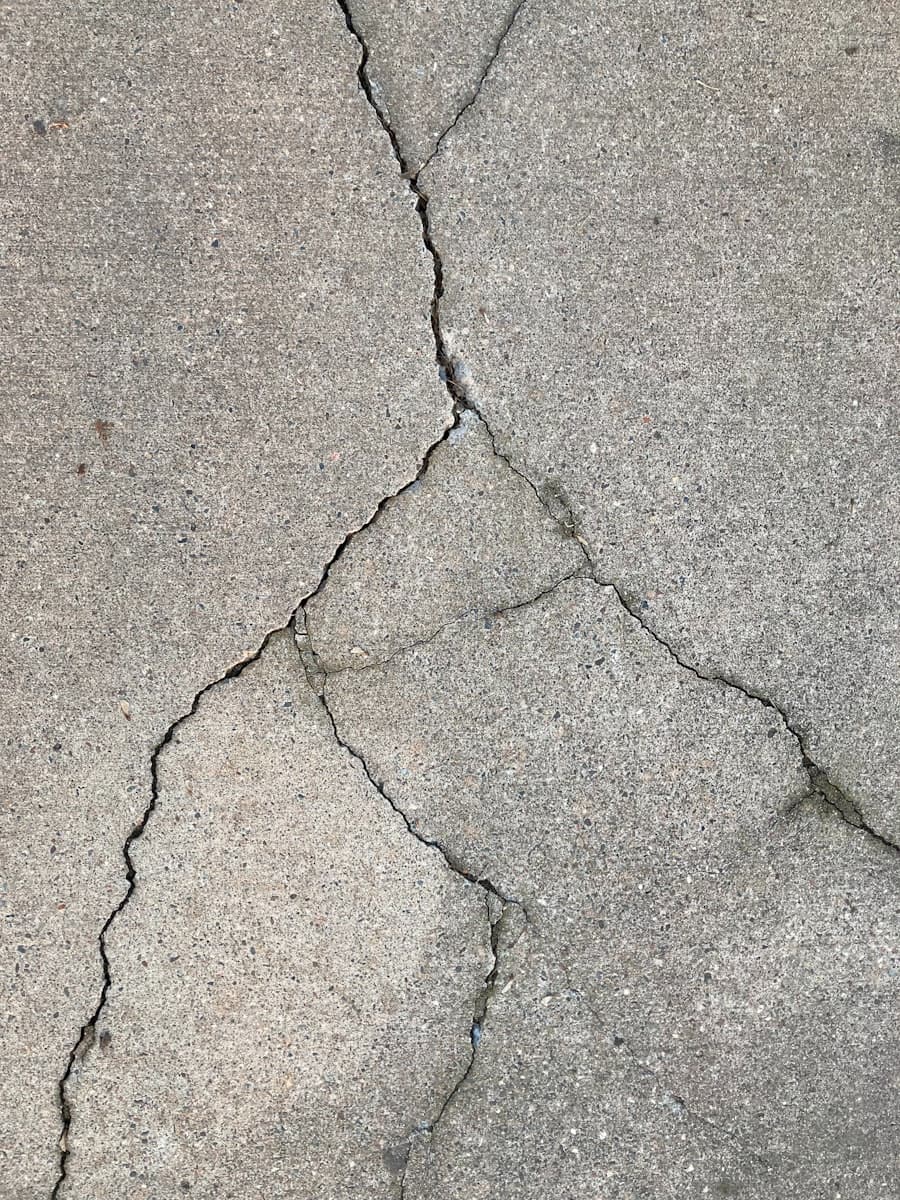
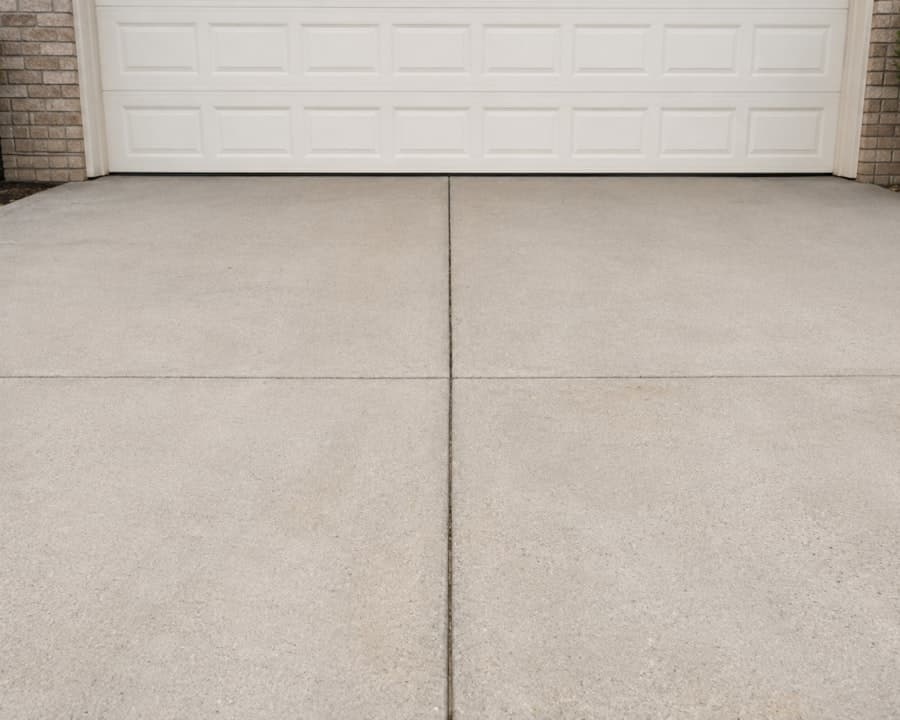
Resurface when the problem is in the surface and the slab beneath is structurally sound — scaling, staining, worn finish, or fine static cracks. Replace when the base has moved: panels at different heights, cracks with a height difference across them, or cracks that keep reopening after repair. The test is whether the concrete has lost support underneath. Surface treatments cannot fix a base problem.
- Resurfacing cost
- 40–60% of replacement
- Resurfacing life
- 10–20 years
- Replacement life
- 30–50 years
- Deciding factor
- Base condition
This is the most consequential decision in concrete repair and the one where homeowners get the least honest advice, because the two options differ in price by a factor of two and a half and the assessment is invisible to a non-specialist.
The good news is that the decision rule is genuinely simple, and you can apply most of it yourself. Everything comes down to one question: has the concrete lost support underneath it? If it hasn't, almost any surface problem is fixable at a fraction of replacement cost. If it has, no surface treatment in existence will help — the new surface will fail exactly where the old one did, on the same timeline.
The decision, as a flowchart
The assessment, step by step
This is essentially what we do on a site visit, and you can do most of it in fifteen minutes.
Check for height differences
Run a foot or a straight edge across every crack and every joint. Any step you can feel means one side has moved relative to the other. That's a base problem, and it points to replacement of at least that area.
Look along the slab at eye level
Crouch at one end and sight along the surface. Dips, humps, and dished panels are settlement. A slab that's flat but ugly is a resurfacing candidate; a slab that's undulating is not.
Check whether cracks are active
Have previous repairs reopened? Has a crack grown measurably in a year? Active movement means anything applied on top will crack in the same place.
Estimate how much area is affected
Under roughly a third and localised repair or resurfacing usually makes sense. Over a third and the arithmetic starts favouring replacement, because you're paying to work around the good areas.
Look at drainage
If water is still getting under the slab, a new surface has the same lifespan as the old one. Drainage has to be fixed either way — and if it can't be fixed without lifting the slab, that decides it.
Tap for hollow areas
Tap across the slab with a hammer or a steel bar. A hollow, drummy sound where the rest rings solid means either delamination in the surface or a void beneath. The first is resurfacable; the second isn't.
Which option fits which problem
| What you have | Resurface | Replace | Why |
|---|---|---|---|
| Surface scaling, flaking, or dusting | Yes | No | A weak top layer over sound concrete. Grind it off and overlay. |
| Staining, discoloration, dated finish | Yes | No | Purely cosmetic. Resurfacing or staining both work. |
| Fine static cracks, no height difference | Yes | No | Repair the cracks, then overlay. They won't reflect through if they're not moving. |
| Cracks with a height difference | No | Yes | The base has moved. The surface is reporting a problem underneath. |
| Panels sitting at different levels | No | Yes | Differential settlement. Only rebuilding the base fixes it. |
| Cracks that reopen after repair | No | Yes | Active movement. Anything applied on top cracks in the same place. |
| Slab is too thin for its current use | No | Yes | Overlays add no structural capacity. If it's under-thickness, it stays under-thickness. |
| Drainage runs toward the house | Sometimes | Often | A corrective overlay can reverse fall over short distances. Larger changes need repouring. |
| Widespread damage over most of the area | No | Yes | Repair economics stop working once you're patching more than about a third. |
What resurfacing actually is
Resurfacing means bonding a thin new layer of polymer-modified cementitious material — typically 1/4 to 1/2 inch — onto a prepared existing slab. Done properly it's a genuine product with a 10 to 20 year life, not a cosmetic patch.
The critical word is bonded. The existing surface has to be mechanically prepared, usually by grinding or shot blasting, to open the surface and give the overlay something to grip. Cracks have to be repaired first. The slab has to be clean, sound, and free of sealer or curing compound. Where that preparation is done properly, the overlay behaves as part of the slab. Where it isn't, it delaminates in sheets within a few years — and that's the failure mode behind most people's scepticism about resurfacing.
The upside is considerable. Resurfacing can add color, stamped texture, or a new finish, so a tired gray driveway can come out looking like new decorative work. It takes two to three days rather than a week. There's no demolition, no disposal cost, and no disruption to the base or the surrounding landscape.
What replacement involves
Replacement means breaking out the existing slab, hauling it away, and rebuilding the whole assembly — subgrade, base, reinforcement, and slab. It's disruptive and it's roughly two and a half times the cost of resurfacing.
What it buys is the chance to fix everything that's actually wrong. The base gets rebuilt to depth and compacted properly. Drainage gets corrected. Thickness can be increased for whatever you now park on it. Joint layout can be redesigned. A slab that was built to a 1980s specification for a car becomes a slab built for the truck you actually own.
That's why replacement can be the better value even when resurfacing is technically possible. If the underlying slab is 4 inches on no base and you've bought an RV, resurfacing produces a beautiful surface over a slab that's still going to fail.
Cost comparison
Bay Area ranges per square foot. Figures assume reasonable access and no significant drainage or grade work.
- Crack repair and reseal$2–$5
Where the slab is sound and only maintenance is needed.
- Partial panel replacement$10–$16
Replacing failed panels only. Expect a color mismatch.
- Resurfacing — plain$6–$10
Grind, repair, bond, overlay, seal.
- Resurfacing — stamped or colored$9–$14
Decorative overlay over sound concrete.
- Full replacement — broom finish$12–$18
Demolition, disposal, base, rebar, pour, finish.
- Full replacement — decorative$18–$28
As above with stamping and color.
per square foot
Resurfacing typically runs 40–60% of replacement cost with roughly a third to a half of the service life. The comparison is genuinely close over 20 years, which is why the structural assessment matters more than the price.
A slab that had to be replaced
Sometimes the assessment is unambiguous. This slab had lost support across a wide area and no overlay would have survived it.
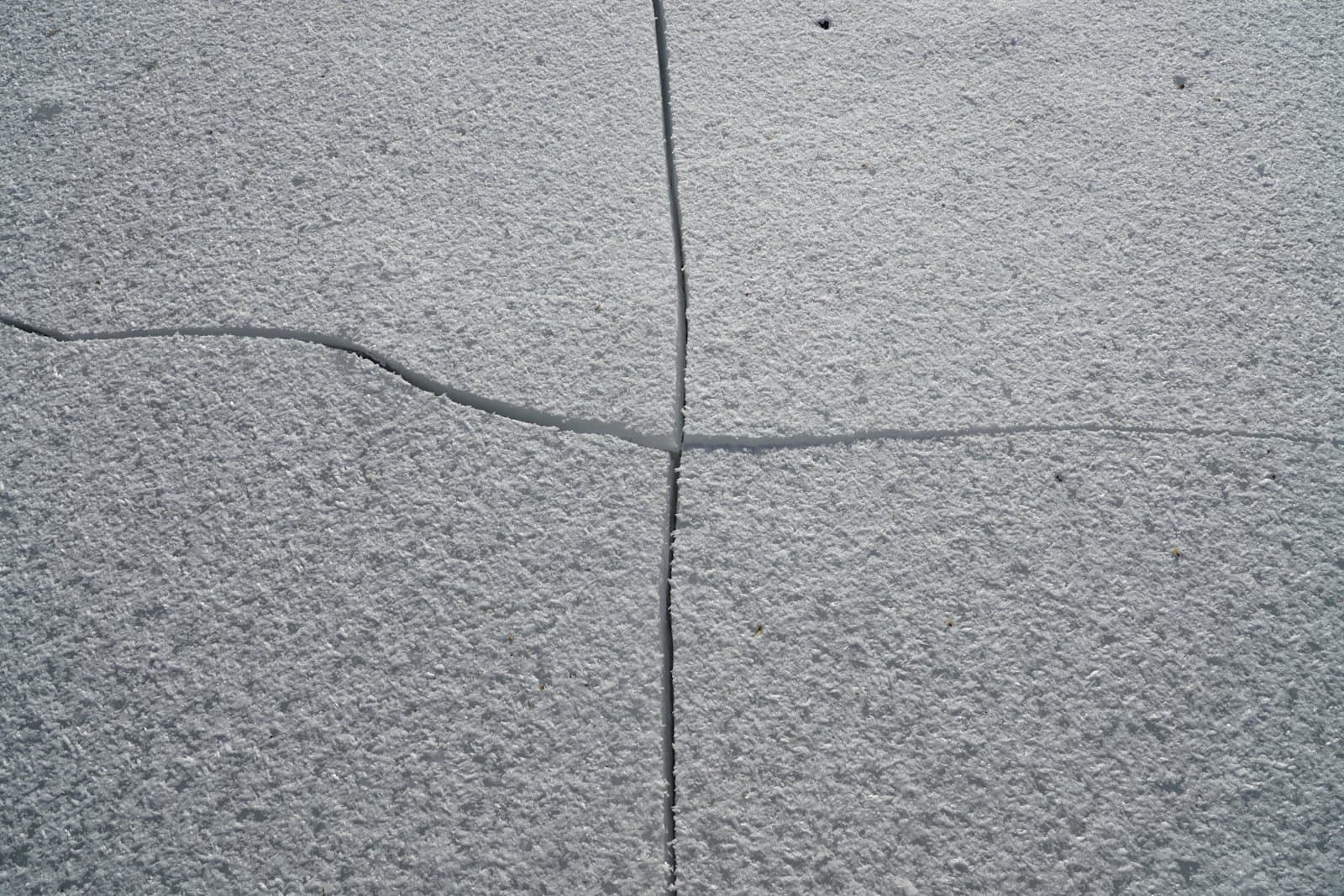
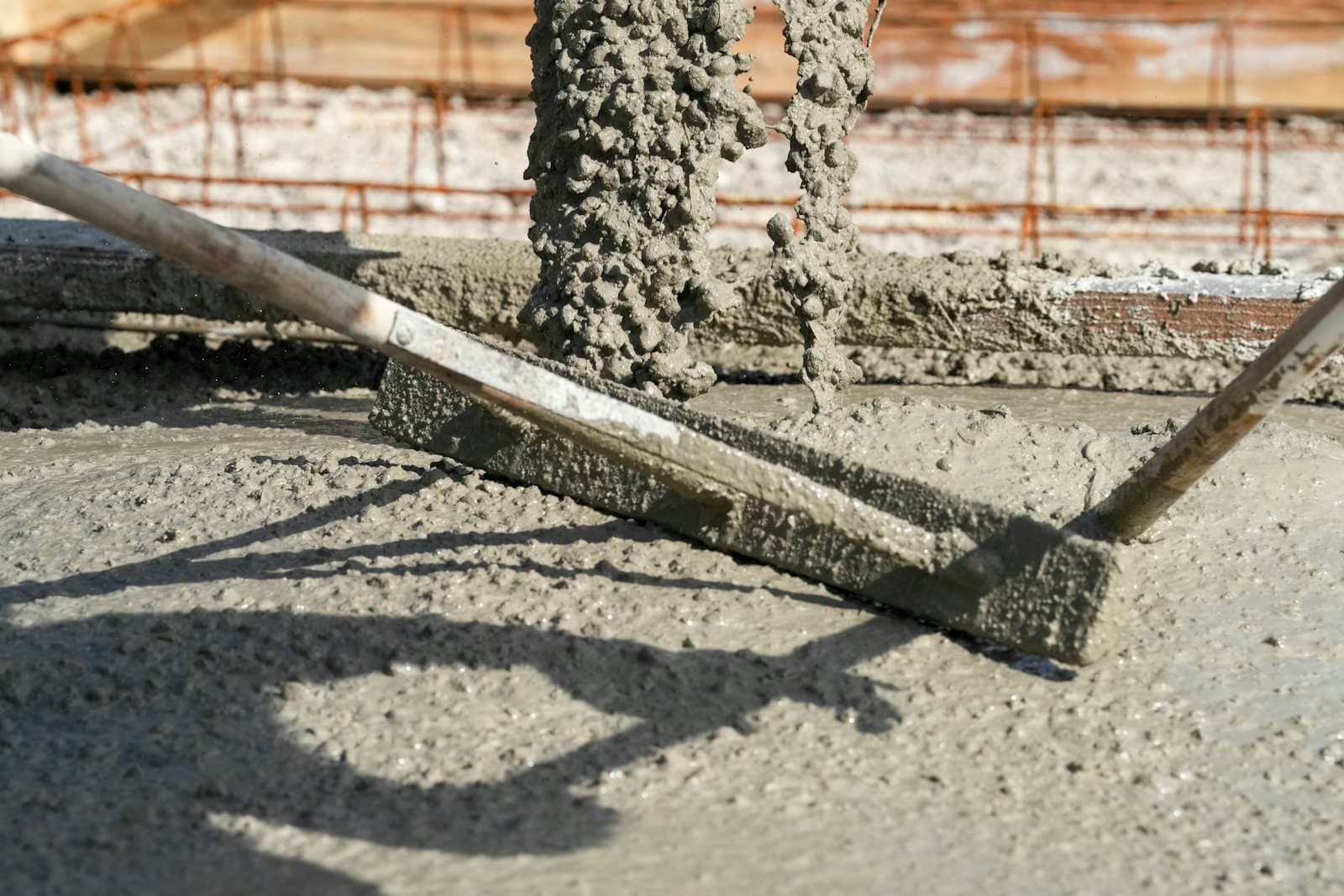
Full replacement after base failure
Multiple through-cracks with height differences, and a section that had dropped nearly an inch. The original slab had been poured directly on graded soil. Resurfacing would have looked excellent for about eighteen months.
- Existing slab removed and disposed of
- Subgrade regraded and compacted, 6" of Class 2 base in two lifts
- Reinforcement chaired to mid-depth
- Joint grid redesigned to keep panels square
Resurfacing questions
Related reading
Key takeaways
- Resurface when only the surface has failed. Replace when the base has moved.
- The deciding test is a height difference across a crack or joint — anything you can feel with your foot.
- Resurfacing costs 40–60% of replacement and lasts a third to a half as long.
- A bonded polymer overlay is a real product. Pouring plain concrete over old concrete is not.
- Overlays add no structural capacity — an under-thickness slab stays under-thickness.
- Ask any contractor quoting replacement to explain specifically why resurfacing won't work.
Still deciding?
Ask us about your specific project
We'll give you a straight answer on the phone, including when that means telling you that you don't need the work you asked about. Free written estimates across San Jose & the greater Bay Area.