Quick answer
What's the difference between stamped and stained concrete?
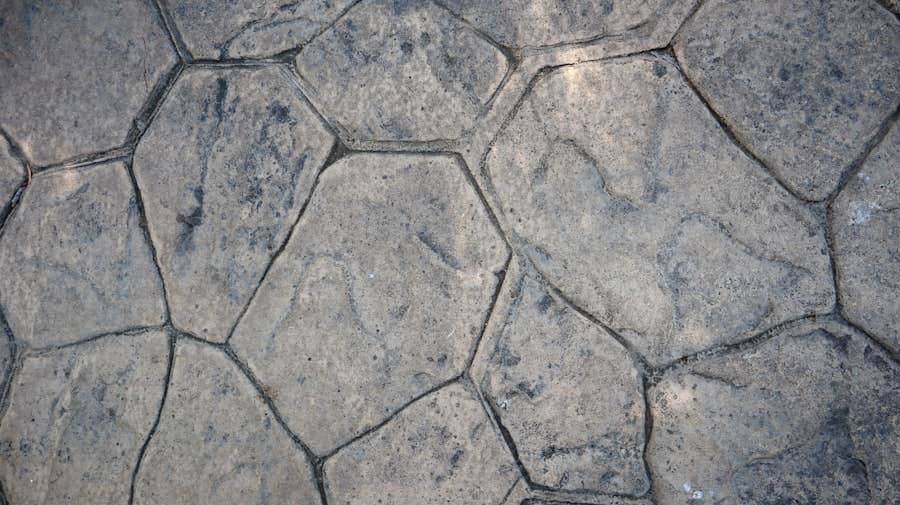
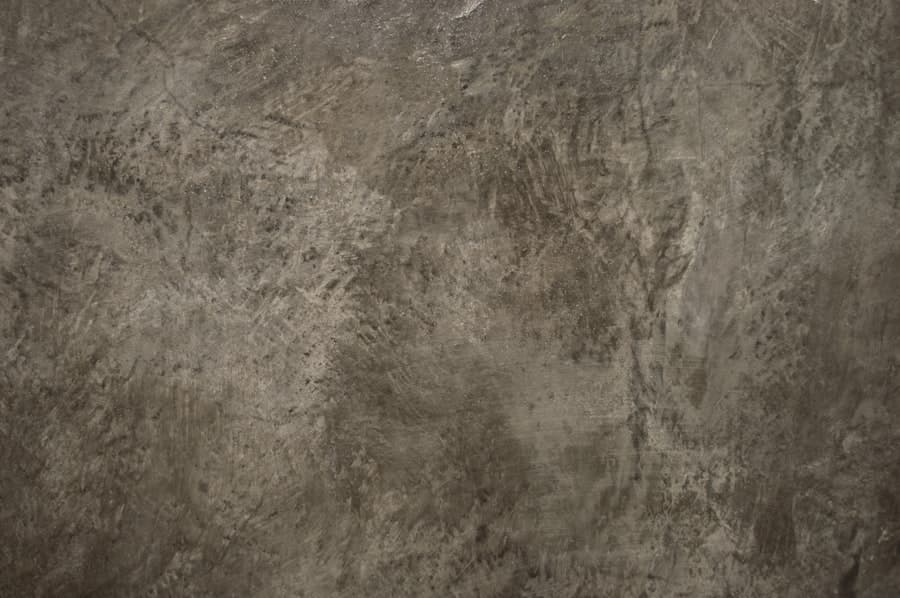
Stamping changes the texture of concrete — patterned mats press a stone, brick, or wood profile into the surface while it's still plastic. Staining changes the color — a chemical or water-based stain penetrates hardened concrete and reacts with or deposits into it. Stamping requires a fresh pour; staining works on existing slabs. They are frequently combined, with stain adding color variation to a stamped surface.
- Stamping changes
- Texture and pattern
- Staining changes
- Color only
- Stamping needs
- A fresh pour
- Staining works on
- Existing concrete
These two get compared constantly and they aren't really alternatives — they're different operations on different parts of the problem. Stamping is a forming process that happens in the hours after a pour. Staining is a coloring process that happens on cured concrete, potentially decades later.
The comparison persists because both are the answer to "how do I make concrete look better than plain gray," and because the right choice usually depends on one question: are you pouring new concrete, or working with what's already there?
The difference at a glance
| Stamped | Stained | |
|---|---|---|
| What it changes | Texture and pattern | Color only |
| When it's applied | Within hours of the pour, while plastic | On cured concrete — new or decades old |
| Works on existing slabs | Only via a bonded overlay | Yes, directly |
| Typical cost | $16–$28 / sq ft as part of a new pour | $4–$10 / sq ft on existing concrete |
| Look | Reads as stone, brick, or timber | Reads as colored concrete — mottled and translucent |
| Color permanence | Pigment in and on the surface; slow fade in sun | Acid stain is a chemical reaction and permanent; water-based sits in the pores |
| Slip resistance | Texture helps; sealer choice matters | Unchanged — whatever texture the slab already has |
| Repairability | Difficult — pattern and color both need matching | Easier — stain can be reapplied and blended |
| Maintenance | Reseal every 2–3 years | Reseal every 2–3 years |
When stamping is the answer
Stamping is the right choice when you're pouring new concrete and you want the surface to read as a different material entirely — flagstone on a patio, cobble on a driveway apron, timber plank around a spa.
It's also the answer when texture is doing functional work. A stamped surface has profile, which means grip, and on a sloped walkway or a pool surround that's a safety benefit as well as an aesthetic one, provided the sealer is chosen properly.
What stamping can't do is rescue an existing slab. A stamped overlay over sound concrete is a real option, but it's a different product with a different lifespan, and it does nothing for a slab that's cracked or settled.
When staining is the answer
Staining is the right choice when the concrete is already there and structurally fine but visually dull, or when you want color depth without changing the surface profile at all.
It's transformative on interior floors, garage floors, and patios where the existing broom finish is perfectly good but the gray is dreary. It costs a fraction of replacement, takes a day or two rather than a week, and produces a result that looks nothing like painted concrete because the color is in the surface rather than on it.
Acid stain in particular has a quality no other coloring method matches: it reacts chemically with the free lime in the concrete, producing mottled, variegated, unpredictable color that varies across the slab. Every job is genuinely unique. That's a feature if you want organic variation and a problem if you want uniformity, and it's why sample areas matter enormously.
Using both together
The best decorative results often use both, and this is where the "versus" framing breaks down entirely.
A stamped slab gets its base color from integral pigment and color hardener during the pour. Months or years later, an accent stain can be applied selectively into the pattern's low points and across individual "stones" to add another layer of variation — the sort of tonal difference between adjacent stones that occurs naturally in a real flagstone terrace and that a single stamp color can't reproduce.
It's also how faded stamped concrete gets refreshed. Rather than resurfacing, a stain and reseal can restore and deepen color on a stamped slab whose hardener has lightened over fifteen years, at a fraction of the cost of doing anything structural.
Choosing between them
Four questions that resolve it in almost every case.
Are you pouring new concrete?
If yes, stamping is on the table. If no, staining is the realistic option — or a stamped overlay if the slab is genuinely sound and you want texture badly enough.
Do you want a different material, or better concrete?
Stamping is for when you want it to look like stone. Staining is for when you're happy for it to look like concrete, just far better concrete.
How much variation do you want?
Acid stain gives unpredictable, organic mottling. Stamping with hardener and release gives controlled, repeating variation. Neither is better; they suit different tastes and different houses.
What's the budget?
Staining an existing sound slab is by a wide margin the cheapest way to transform concrete. Stamping is a new-pour decision with a new-pour price attached.
Staining an existing slab
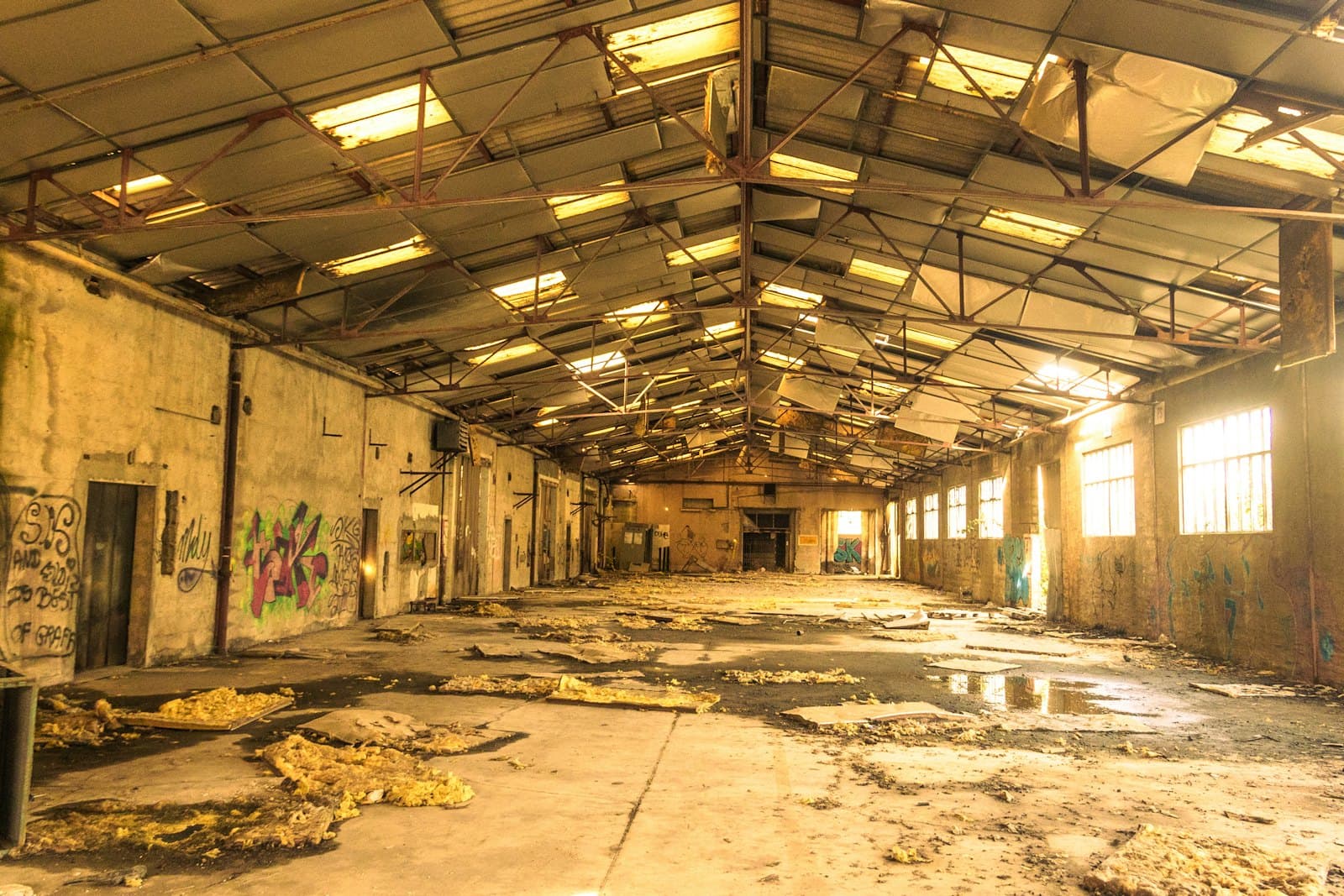
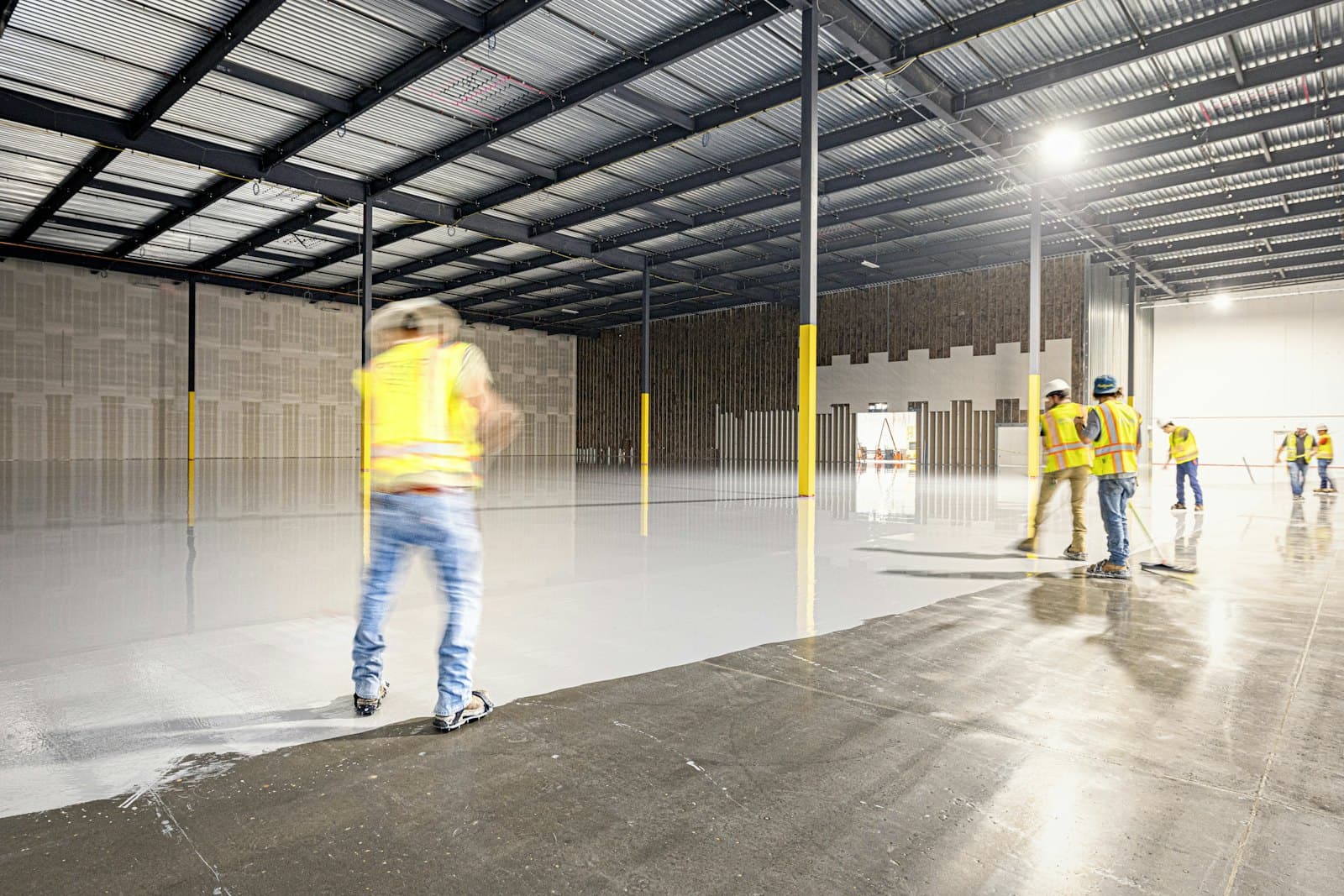
A dull but structurally sound interior slab, acid-stained and sealed. No demolition, no new concrete, two days on site.
Acid stain over existing concrete
The slab was sound but visually flat. Cleaned, acid-stained in two tones, neutralised, and sealed. The variation is a reaction with the concrete itself — no two areas came out the same, which is exactly the point.
- No demolition and no new concrete
- Roughly a fifth of the cost of replacement
- Two days on site including cure and seal
- Color is in the surface, not a coating that can peel
Common questions
Related reading
Key takeaways
- Stamping changes texture; staining changes color. They solve different problems.
- Stamping needs a fresh pour. Staining works on concrete of any age.
- Stain is translucent — every existing mark, patch, and repair reads through it.
- Acid stain is a permanent chemical reaction, not a coating. It can't peel.
- Combining them — stain as an accent over stamped work — produces the most natural results.
- Staining a sound existing slab is the cheapest meaningful concrete transformation available.
Still deciding?
Ask us about your specific project
We'll give you a straight answer on the phone, including when that means telling you that you don't need the work you asked about. Free written estimates across San Jose & the greater Bay Area.