Quick answer
Should I use 3000, 4000, or 5000 PSI concrete?
Use 3000 PSI concrete for patios, walkways, and other foot-traffic slabs; 4000 PSI for driveways, garage floors, and anything carrying vehicles; and 4500–5000 PSI or higher for commercial paving, industrial floors, and heavily loaded or severe-exposure work. PSI is compressive strength at 28 days. Higher strength costs a little more, and it does far less to prevent cracking than proper base preparation, thickness, reinforcement, and joints.
- 3000 PSI
- Patios, walks
- 4000 PSI
- Driveways, garages
- 4500–5000+ PSI
- Commercial, industrial
- Tested at
- 28 days
What the numbers mean
PSI stands for pounds per square inch. A concrete's PSI rating is its specified compressive strength — the load per square inch a test cylinder made from that concrete can carry before it crushes, measured at 28 days. A 3000 PSI mix is designed to reach at least 3,000 pounds per square inch; a 4000 PSI mix, 4,000.
Strength is controlled mainly by the water-to-cement ratio: less water relative to cement makes stronger, denser concrete. Higher-strength mixes typically contain more cement and less water, sometimes with admixtures that keep them workable.
Real slabs rarely see loads anywhere near these numbers in pure compression. Strength matters more for durability — resistance to wear, weathering, and surface damage — and for the bending and cracking a slab experiences when its support isn't perfect.
Which strength for which job
| Strength | Typical uses | Notes |
|---|---|---|
| 2500 PSI | Some residential footings and foundations | Common code minimum for foundations |
| 3000 PSI | Patios, walkways, sidewalks, garden paths | Foot traffic and furniture |
| 3500 PSI | Some exterior flatwork and garage slabs | Middle ground |
| 4000 PSI | Driveways, garage floors, aprons | Vehicle traffic, better durability |
| 4500 PSI | Commercial paving, parking lots | Heavier traffic, abrasion |
| 5000+ PSI | Industrial floors, structural elements | Heavy loads, severe exposure |
Foundations, structural elements, and commercial work follow engineered specifications.
3000 PSI concrete
3000 PSI is the workhorse for residential flatwork that carries people and furniture: back-yard patios, front walks, side-yard paths, and shed pads. It finishes easily, costs the least, and performs well when placed over a good base with appropriate reinforcement and joints.
Where a patio will carry a hot tub, an outdoor kitchen, or a masonry fireplace, the slab is usually thickened under those loads. Raising the strength alone isn't the answer.
4000 PSI concrete
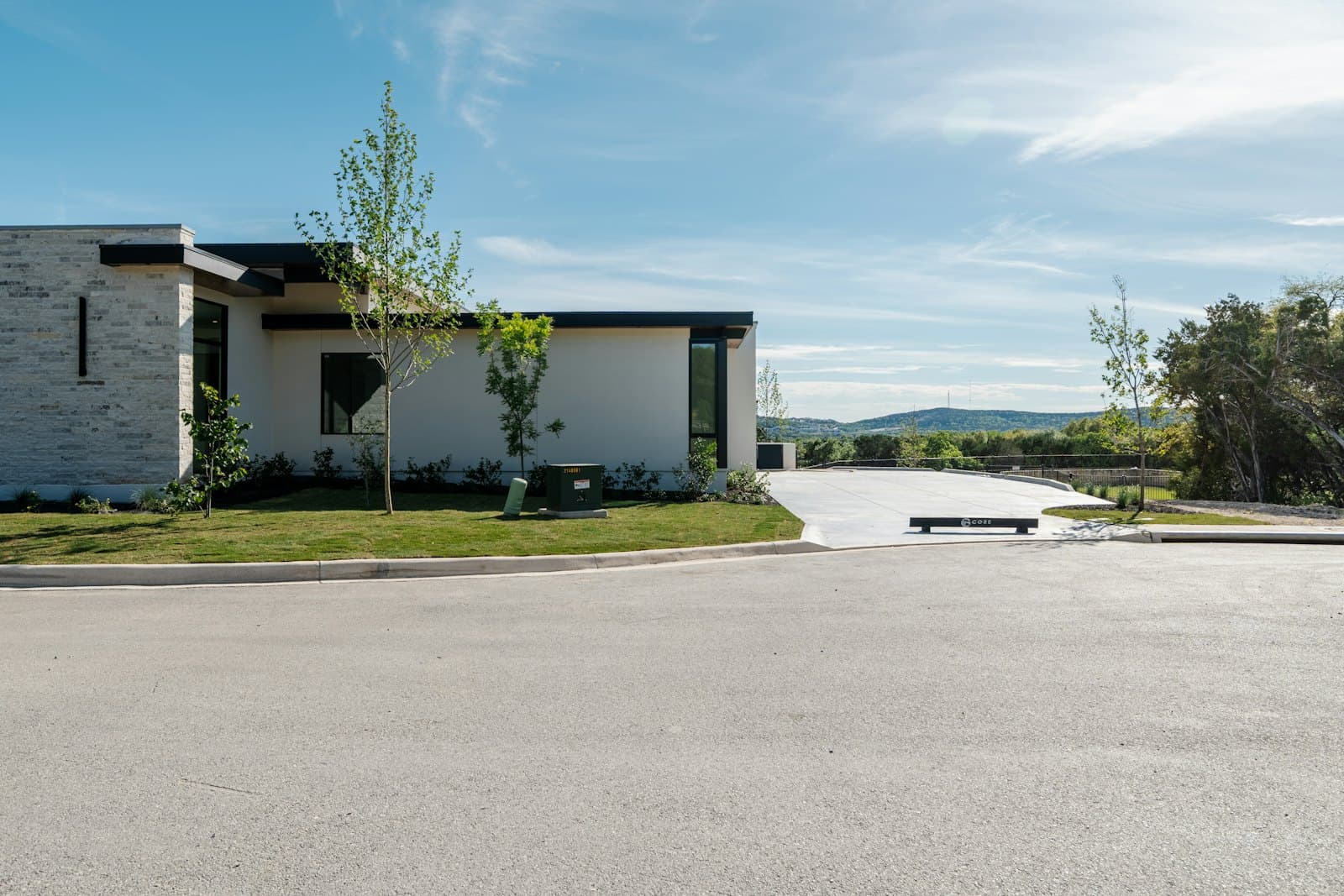
4000 PSI is the standard for driveways. Vehicles concentrate load through tires, turning wheels scuff the surface, and driveway aprons take the hardest punishment of any residential concrete. The extra strength improves abrasion resistance and durability at the surface as well as load capacity.
Garage floors benefit similarly, and so do any exterior slabs exposed to heavy use. In colder climates with freeze-thaw and deicing salts, durability requirements push exterior concrete toward higher strength and air entrainment; in the Bay Area's mild climate, 4000 PSI is a sound choice for vehicle areas.
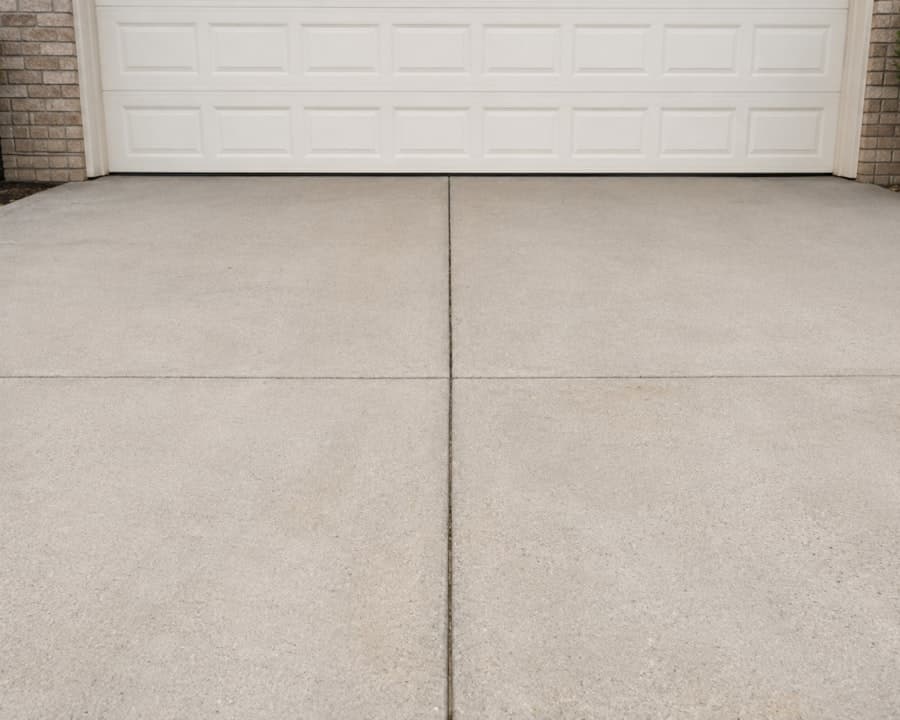
Driveways call for 4000 PSI
4500 and 5000+ PSI concrete
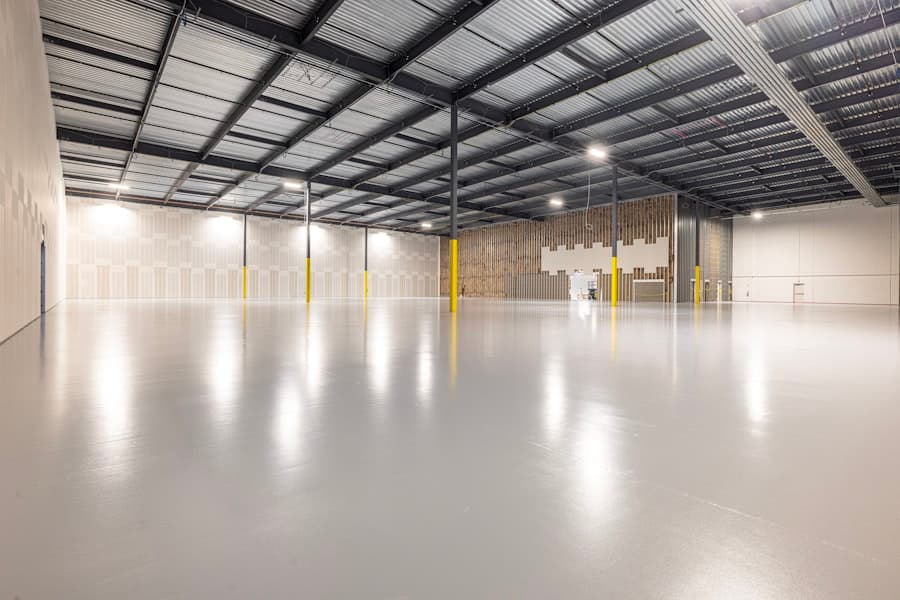
Commercial parking lots, truck aisles, loading docks, and warehouse floors use 4500 PSI and higher. Forklift wheels and trucks create concentrated loads and constant abrasion, and these slabs are expected to last decades under heavy use.
Structural elements — beams, columns, elevated slabs, and some foundations — use strengths set by the structural engineer, sometimes well above 5000 PSI. For homeowners, 5000 PSI is rarely needed outside special cases such as very heavy equipment or severe chemical exposure.
How to make sure you get the strength you paid for
Strength depends on the mix design and on what happens on site. The biggest risk is water added at the job to make the concrete easier to place. Every extra gallon per yard lowers strength and increases shrinkage. A good contractor orders a mix with the workability needed — using admixtures if necessary — rather than watering it down.
On commercial and structural jobs, test cylinders are taken and broken at 7 and 28 days to verify strength. On residential flatwork, testing is less common, but you can ask what mix is being ordered, confirm it on the delivery ticket, and ask that no water be added beyond what the mix allows.
Curing matters too. Concrete kept moist in its first days develops its strength; concrete that dries out too fast, especially at the surface, can fall short.
What matters more than PSI
| Factor | Why it matters |
|---|---|
| Compacted base | Uniform support prevents settling cracks |
| Slab thickness | Thicker slabs carry more load |
| Reinforcement | Holds cracks tight and level |
| Joint spacing and timing | Controls where the slab cracks |
| No added water | Protects strength and reduces shrinkage |
| Curing | Lets the concrete reach its strength |
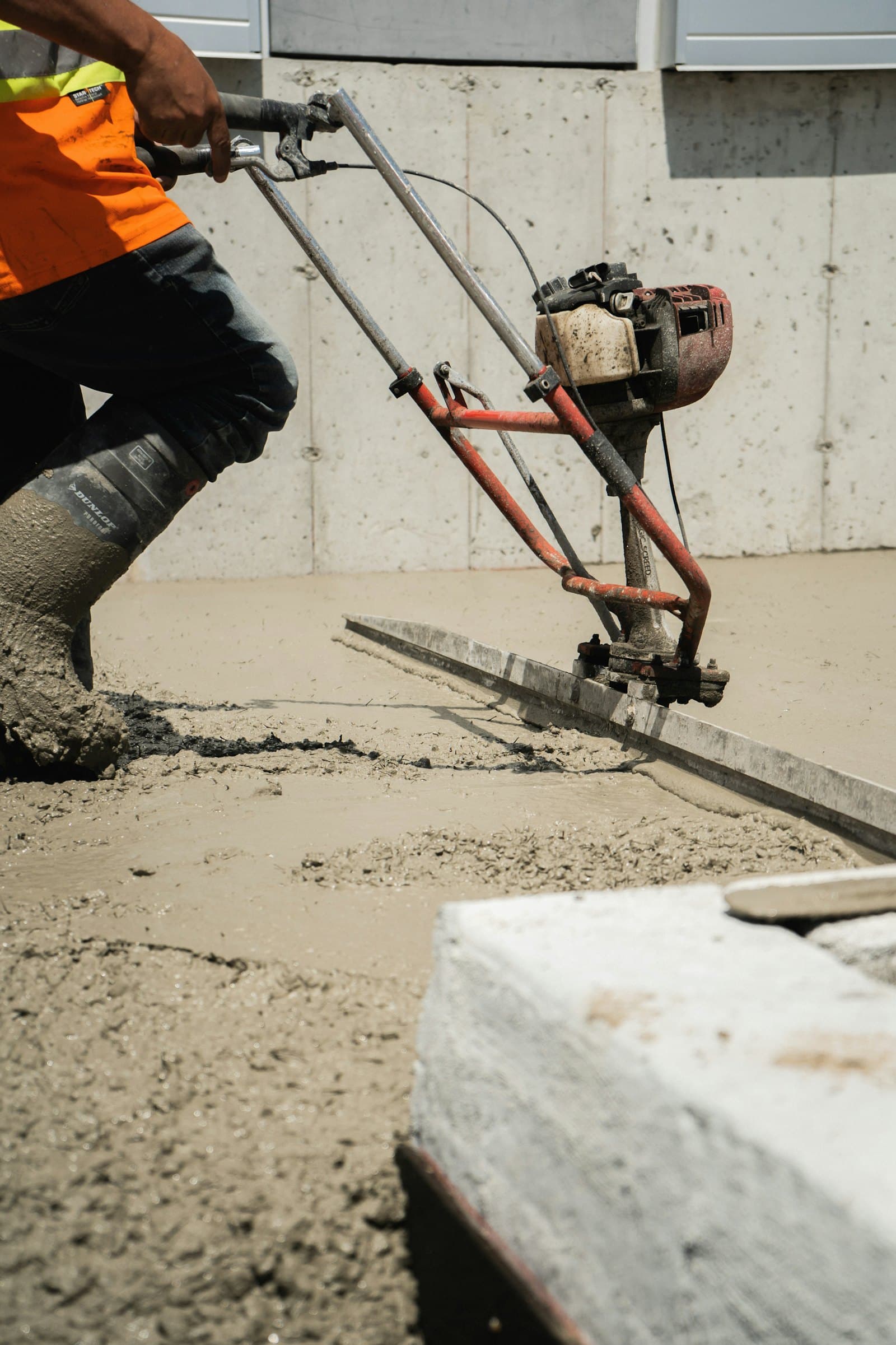
Placing the concrete
What changes inside a higher-PSI mix
The main lever for strength is the water-to-cement ratio. A 3000 PSI mix might use a relatively higher ratio; a 4000 or 5000 PSI mix uses less water per pound of cement. Less water means fewer voids left behind as the concrete cures, which produces denser, stronger, less permeable concrete.
To keep a lower-water mix workable enough to place and finish, producers use water-reducing admixtures. Supplementary materials such as fly ash or slag cement may replace part of the cement; they improve durability and long-term strength, though they can slow early strength gain.
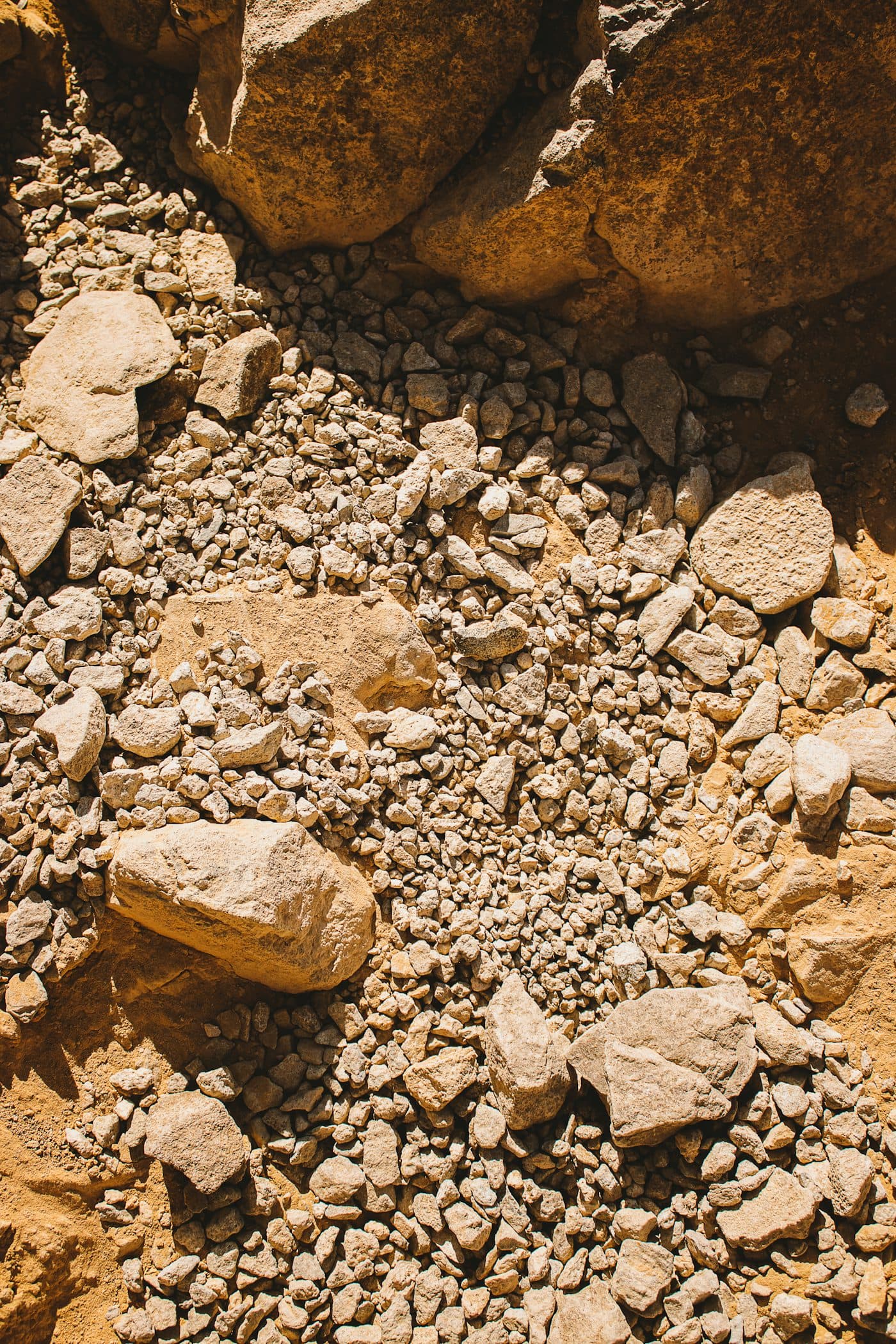
Aggregate size and quality also play a role. Strong, well-graded aggregate supports higher strengths, and the maximum aggregate size is chosen to suit the slab thickness and placement method.
Strength versus other performance
| Higher strength helps with | Higher strength doesn't fix |
|---|---|
| Surface wear and abrasion | Poor base preparation |
| Load capacity | Inadequate thickness |
| Lower permeability | Missing or late joints |
| Durability in harsh exposure | Poor curing |
| Resistance to scaling (with good finishing) | Water added on site |
Concrete strength in Bay Area conditions
In much of the United States, exterior concrete has to withstand freeze-thaw cycles and deicing salt, which pushes specifications toward higher strength and air-entrained mixes. In the Bay Area's mild climate, freezing is rare at most elevations, so the strength decision is driven more by traffic and wear than by weather.
Coastal properties face salt air, and pool decks face chlorinated water; in those settings a denser, less permeable concrete and regular sealing help protect reinforcement from corrosion. Inland, summer heat makes curing practices especially important to reach the specified strength at the surface.
Bagged concrete versus ready-mix
Bagged concrete mixes from home centers are often labeled with a strength rating, commonly around 4000 PSI for general-purpose mixes and higher for high-strength products. Those ratings assume the correct amount of water and thorough mixing. In practice, hand mixing often adds extra water for workability, which reduces strength.
For small jobs like post footings or a few square feet of repair, bagged mix is practical. For slabs, ready-mix concrete delivered by truck provides consistent quality, the right strength, and enough volume to place the slab in one continuous pour, which is essential for a good finish.
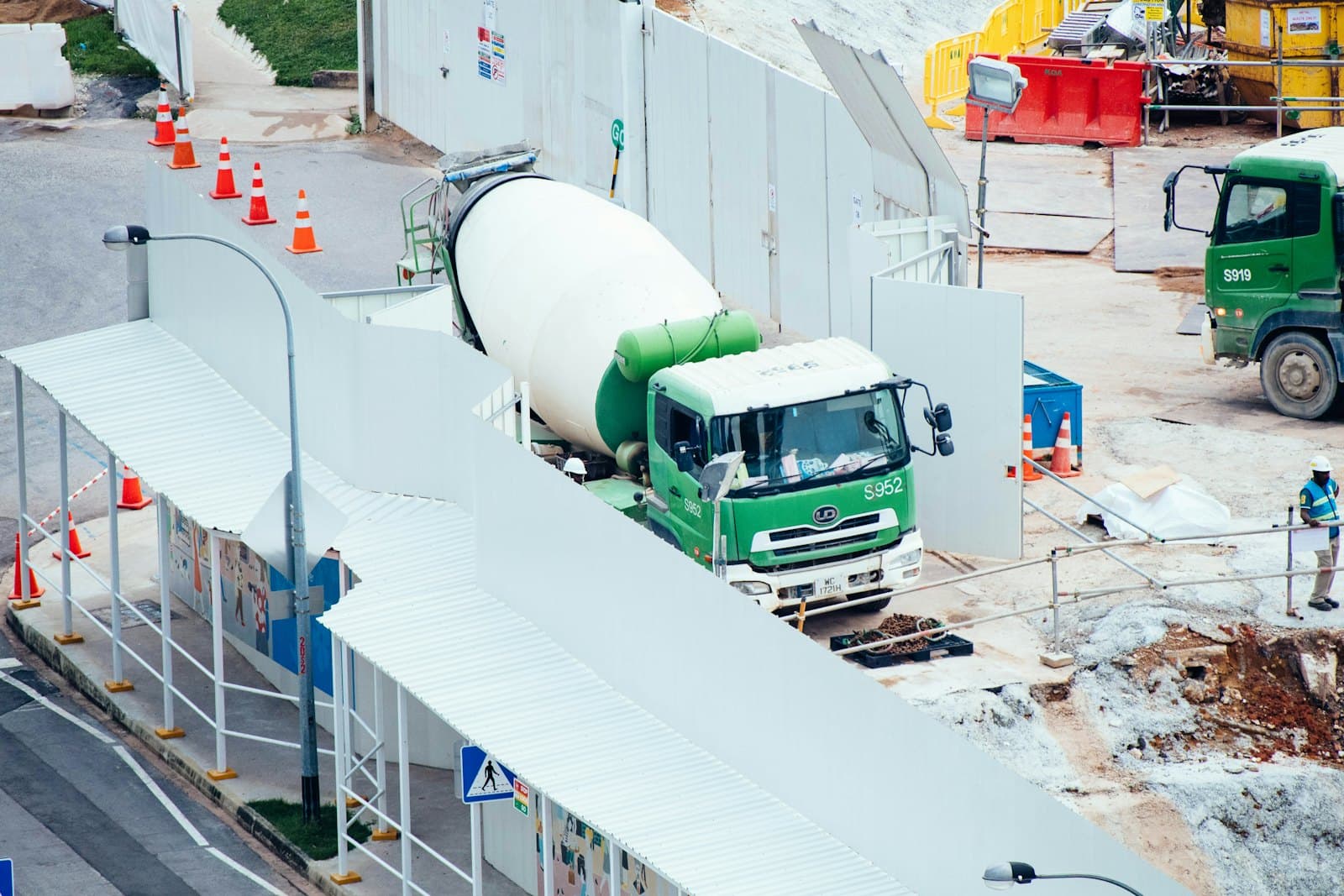
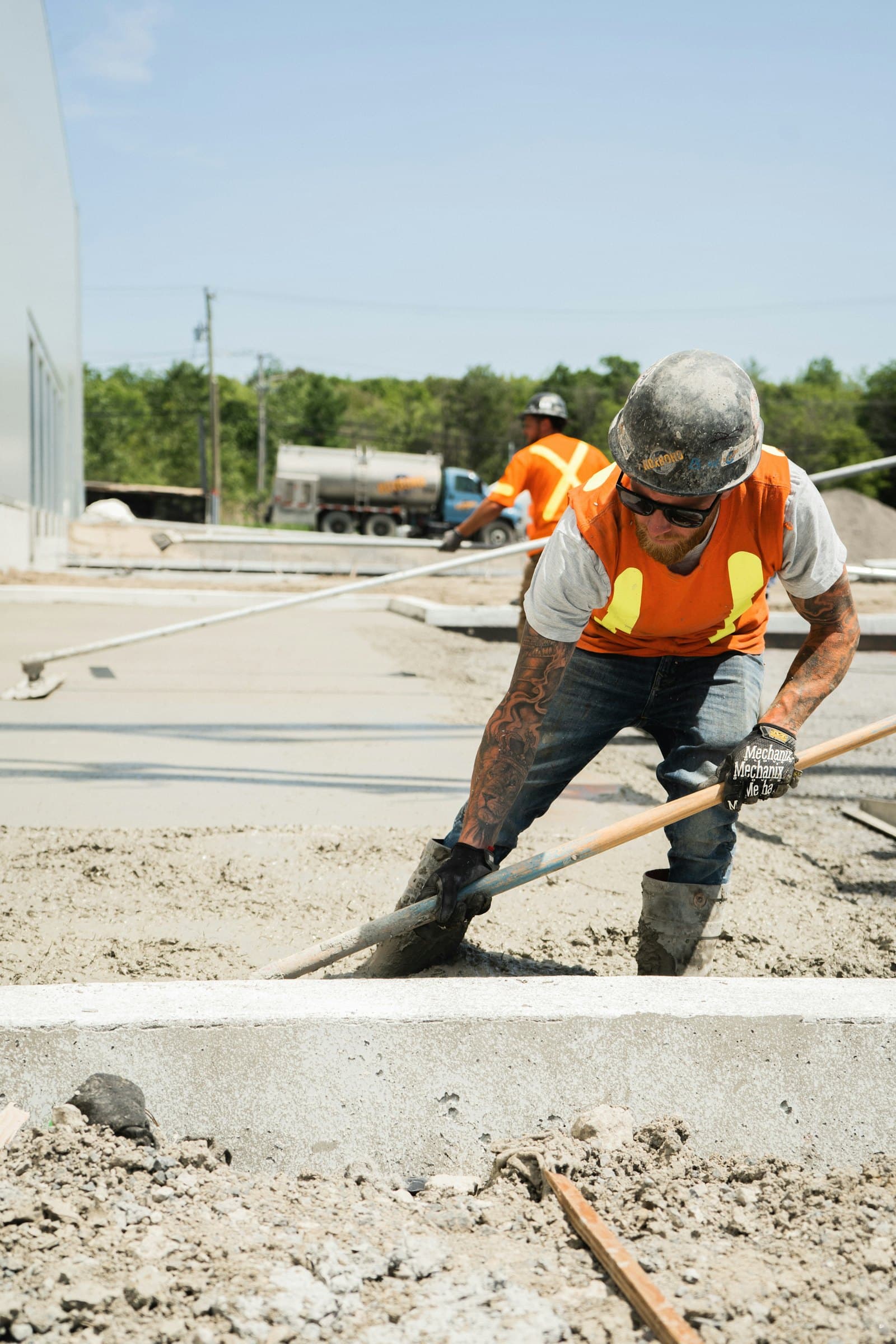
Ready-mix delivery
Reading a delivery ticket
Every ready-mix load comes with a delivery ticket listing the mix design, strength, quantity, and the time the concrete was batched. It may also record water added at the site. Checking the ticket confirms the right mix arrived and that the concrete was placed within a reasonable time after batching.
If you're unsure what was ordered for your project, ask your contractor to show you the ticket. It's a simple step that confirms the specification was followed.
Strength for garage floors and shops
Garage floors carry vehicles, tools, and sometimes heavy equipment, and they're often densified, polished, or coated. A 4000 PSI mix gives good surface durability for all of these. For workshops with heavy machinery or lifts, the slab thickness and reinforcement under those loads matter more than going above 4000 PSI, and lift manufacturers often specify minimum slab thickness and strength.
In home garages, a smooth troweled finish with good curing produces a hard surface that resists dusting. If you plan to polish later, discuss it before the pour so the finishing and curing support a good polish.
Strength for foundations and ADUs
House and ADU foundations follow the approved structural plans. Residential codes set minimum strengths — commonly 2500 PSI for many foundation elements in mild exposure — and engineers in the Bay Area often specify 3000–4000 PSI or more depending on design and soil conditions. Post-tensioned slabs typically call for higher strengths.
Because foundation strength is part of the permitted design, the inspector and the plans govern; the delivery ticket should match the specified mix.
Quick strength guide
| Project | Typical PSI |
|---|---|
| Garden path | 3000 |
| Patio | 3000 |
| Sidewalk | 3000 (or city spec) |
| Driveway | 4000 |
| Garage floor | 4000 |
| RV pad | 4000+ (thicker slab) |
| Commercial parking | 4000–4500 |
| Warehouse floor | 4500+ |
| House / ADU foundation | Per engineer |
Does higher strength cost much more?
Moving from 3000 to 4000 PSI increases the cement content and the cost per cubic yard, but because the concrete itself is only part of an installed slab's price — alongside labor, base, reinforcement, and finishing — the difference in the total is modest. On a driveway, choosing 4000 PSI is a small investment in durability.
Going far beyond what the job needs, on the other hand, adds cost without much benefit and can make the concrete harder to finish. Match the strength to the use.
Early strength and when concrete can be used
Concrete gains strength quickly in its first week. A typical mix reaches a large share of its 28-day strength within about seven days with good curing, which is why passenger cars are usually allowed on driveways after a week while heavy vehicles wait the full 28 days.
Higher-strength mixes aren't automatically faster; strength gain depends on cement type, admixtures, supplementary materials, and temperature. When a slab needs to carry traffic quickly, high-early-strength mixes are designed for that purpose.
PSI on concrete repairs and overlays
Repair mortars, overlays, and patching products have their own strength ratings, often listed on the bag. For repairs, compatibility with the existing concrete matters as much as strength; a repair that's much stiffer or shrinks more than the surrounding slab can crack at its edges.
When patching a driveway or patio, choose a product designed for the depth and exposure of the repair and follow its mixing and curing instructions.
Key points
- 3000 PSI suits patios, walks, and foot-traffic slabs.
- 4000 PSI is standard for driveways and garage floors.
- 4500–5000+ PSI is for commercial, industrial, and heavy-duty work.
- Base, thickness, reinforcement, and joints matter more than extra PSI.
- Don't let water be added on site — it lowers strength.
How strength is tested
On commercial and structural projects, technicians cast cylinders from the delivered concrete, cure them under standard conditions, and crush them in a testing machine at specified ages — typically seven and 28 days. The 28-day result is compared against the specified strength. Field tests of slump and temperature at delivery help confirm the concrete matches the mix design.
Residential flatwork is rarely tested this way, which is why ordering the right mix, refusing extra water, and curing properly are the practical ways homeowners can protect the strength they're paying for.
Strength starts with the mix
Strength and the Bay Area's clay soils
On expansive clay soils, slabs move with seasonal swelling and shrinking. Higher strength alone doesn't stop that movement from cracking a slab. Reinforcement, base preparation, moisture control at slab edges, and appropriate joint spacing are what keep cracks tight and level. Choose the strength for the traffic, then build the slab for the soil.
Strength for pool decks and patios with heavy features
Pool decks typically use 3000–4000 PSI concrete, with denser mixes and good sealing helping resist pool chemicals and splash-out. Patios carrying hot tubs, outdoor kitchens, or masonry fireplaces benefit more from thickened sections and reinforcement under those features than from a higher-strength mix across the whole patio. Discuss the planned features with your contractor so the slab is designed for them.
Choosing strength for your project, step by step
Start with what the slab will carry. Foot traffic and furniture point to 3000 PSI; cars and light trucks point to 4000 PSI; heavy trucks, forklifts, and industrial use point to 4500 PSI and up. Then consider exposure: coastal salt air, pool water, and heavy wear favor denser, stronger concrete with good sealing.
Next, confirm the slab thickness and reinforcement suit the load, because those do more to prevent cracking than strength alone. Finally, check whether any part of the project is structural or in the public right-of-way, where engineered drawings or city standards set the specification.
With those answers, the right strength is usually clear — and you can confirm it on your quote and the delivery ticket.
PSI strength questions
Related
Standards & references
The published standards and code sections this guide draws on. Requirements vary by jurisdiction — your local building department has the final word.
- ASTM C39: Standard Test Method for Compressive Strength of Cylindrical Concrete Specimens — ASTM International
- ASTM C94: Standard Specification for Ready-Mixed Concrete — ASTM International
- ACI 332-20: Residential Code Requirements for Structural Concrete — American Concrete Institute
- ACI 318-19: Building Code Requirements for Structural Concrete — American Concrete Institute
Still deciding?
Ask us about your specific project
We'll give you a straight answer on the phone, including when that means telling you that you don't need the work you asked about. Free written estimates across San Jose & the greater Bay Area.