County Coverage
Alameda County Concrete Contractors
Residential and commercial concrete across all 14 cities in Alameda County — driveways and patios for homeowners, parking lots and structural slabs for businesses.
County Coverage
Concrete Services Across Alameda County
Alameda County covers more variety than almost any comparable area in California. There's the dense, century-old urban fabric of Oakland and Berkeley, the steep hills rising immediately behind them, the flat bay-plain suburbs of Fremont and Union City, the island city of Alameda, and the hot inland Tri-Valley communities of Livermore, Pleasanton, and Dublin.
Those are genuinely different construction environments. A hillside driveway in Oakland or Piedmont involves retaining, engineered drainage, and access constraints that simply don't exist on a flat Dublin lot — where the project is far more likely to be building out an outdoor living space on a house that's twenty years old.
The county's age distribution is unusually wide too. Berkeley and Alameda have concrete that has been in the ground for a century. Dublin has neighborhoods where nothing is older than the millennium. The work those two situations call for has almost nothing in common.
- Cities covered
- 14Cities covered
- Years local
- 20+Years local
- Written estimates
- FreeWritten estimates
Every City We Serve in Alameda County
14 cities, each with its own page covering local ground conditions, recurring problems, and the work we do there.
What Shapes Concrete Work in Alameda County
The local conditions that consistently affect how we build here.
Hills versus flats
The single biggest variable in the county. Hillside properties in Oakland, Berkeley, and Piedmont bring slope, retaining, drainage engineering, and access limitations. Flatland work is comparatively straightforward.
A dramatic inland temperature gradient
Berkeley and Alameda are cool and fog-influenced year round. Livermore, thirty miles inland, gets genuinely hot summers. Hot-weather concreting practice is routine in the Tri-Valley and rarely needed on the bay side.
Bay-margin soils and groundwater
Low-lying areas near the shoreline — parts of Alameda, San Leandro, Emeryville, and western Fremont — can involve fill, softer soils, and a high water table, all of which affect how a slab should be built.
Century-old urban concrete
Oakland, Berkeley, and Alameda have extensive pre-war housing where original sidewalks, steps, and walkways are simply at the end of a very long service life, often complicated by protected mature street trees.
Built to Last
The Same Fundamentals, Whatever the Ground Does
Conditions vary enormously across Alameda County, but the response doesn't change in principle: build the layers under the slab properly and design for movement instead of hoping it won't happen.
What happens when a layer gets skipped
- 5
Concrete slab
3,000–4,000 PSI · 4" home, 6"+ vehicles
Four inches under a delivery truck cracks, every time. Thickness has to match the heaviest thing that will ever sit on it — not the family car.
- 4
Reinforcement
#4 rebar at 18" centres, chaired
Rebar lying on the base does nothing at all. It has to sit in the slab's middle third, where it can hold a crack closed instead of watching one open.
- 3
Vapour barrier
10-mil sheeting under interior slabs
Without it, ground moisture wicks up through the concrete. That delaminates coatings, lifts flooring, and leaves a garage or shop slab that never fully dries.
- 2
Aggregate base
Crushed Class 2 rock, 4–6" in lifts
Pour straight onto soil and water has nowhere to drain. It collects under the slab, softens the ground, and the support the slab was designed around disappears.
- 1
Compacted subgrade
Graded to fall, compacted to 90–95%
Skip the compaction and the slab settles unevenly within a few wet seasons. One side drops, a crack opens across the difference, and no surface repair will hold it.
Countywide
Residential and Commercial Work
The same crews and the same standards, sized from a back-yard patio to a distribution warehouse floor.
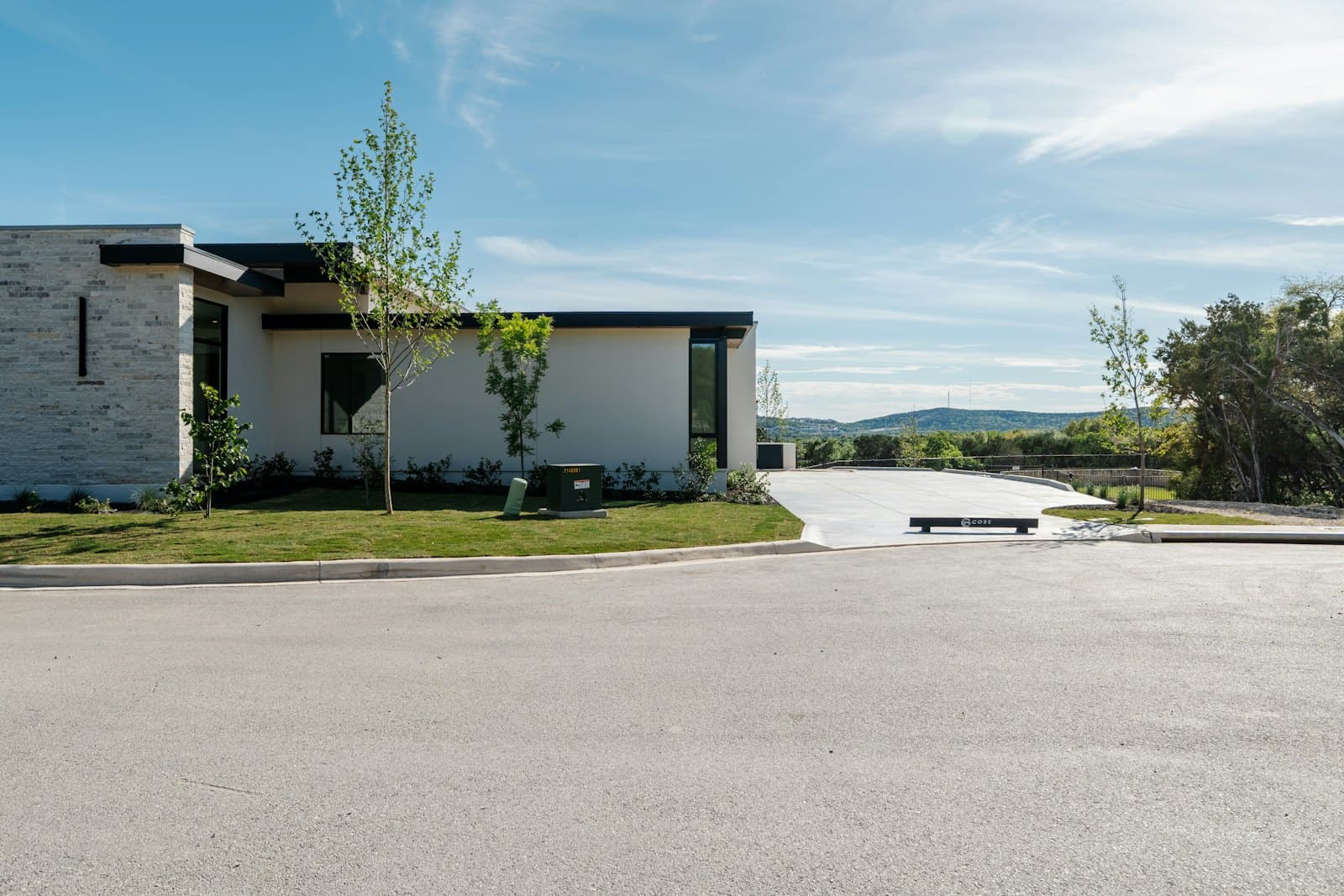
Driveways & entries
Vehicle-rated slabs with drainage designed away from the structure, not into it.
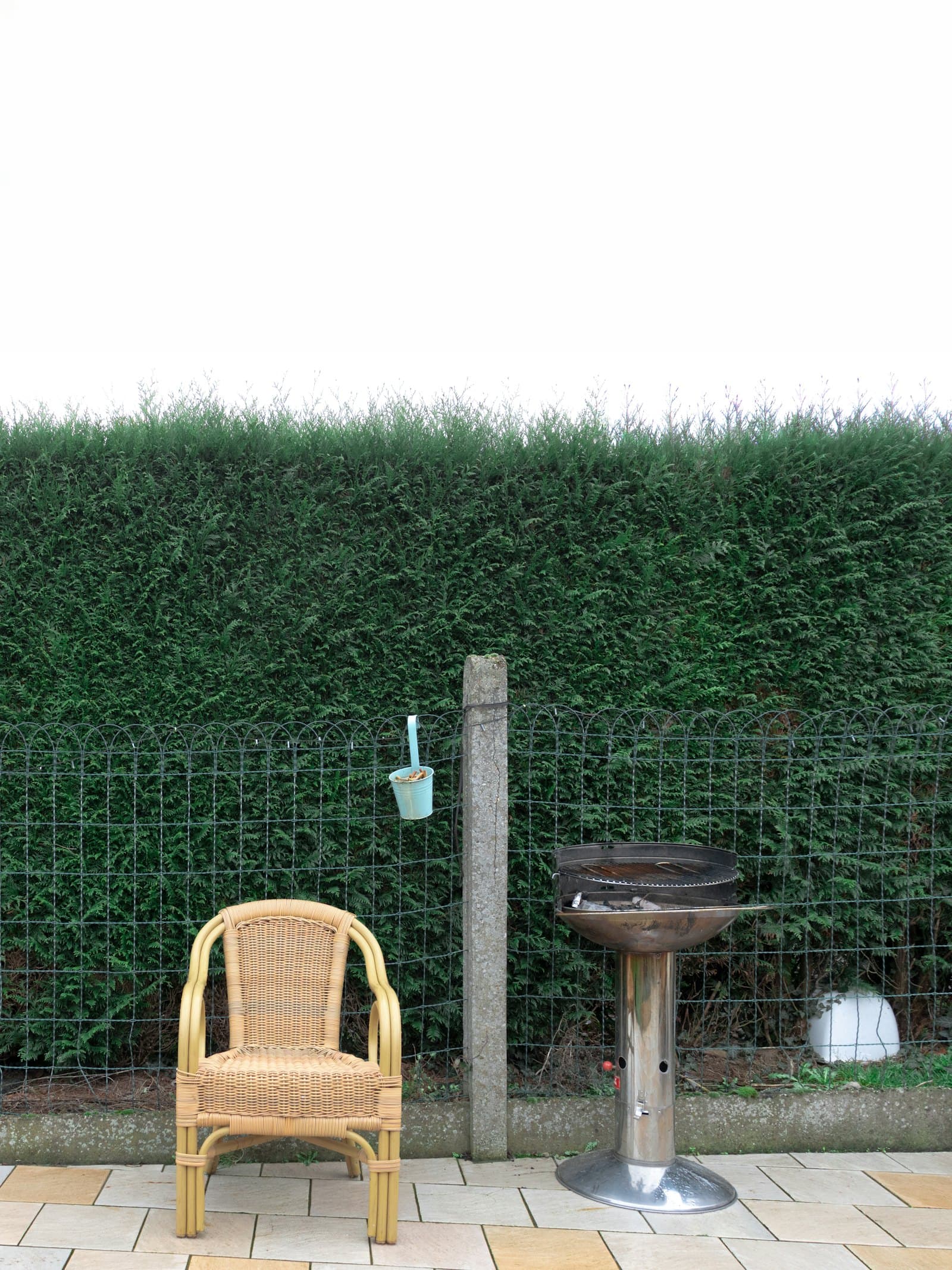
Patios & outdoor living
Outdoor rooms shaped around how the space is really used, in a finish that suits bare feet.
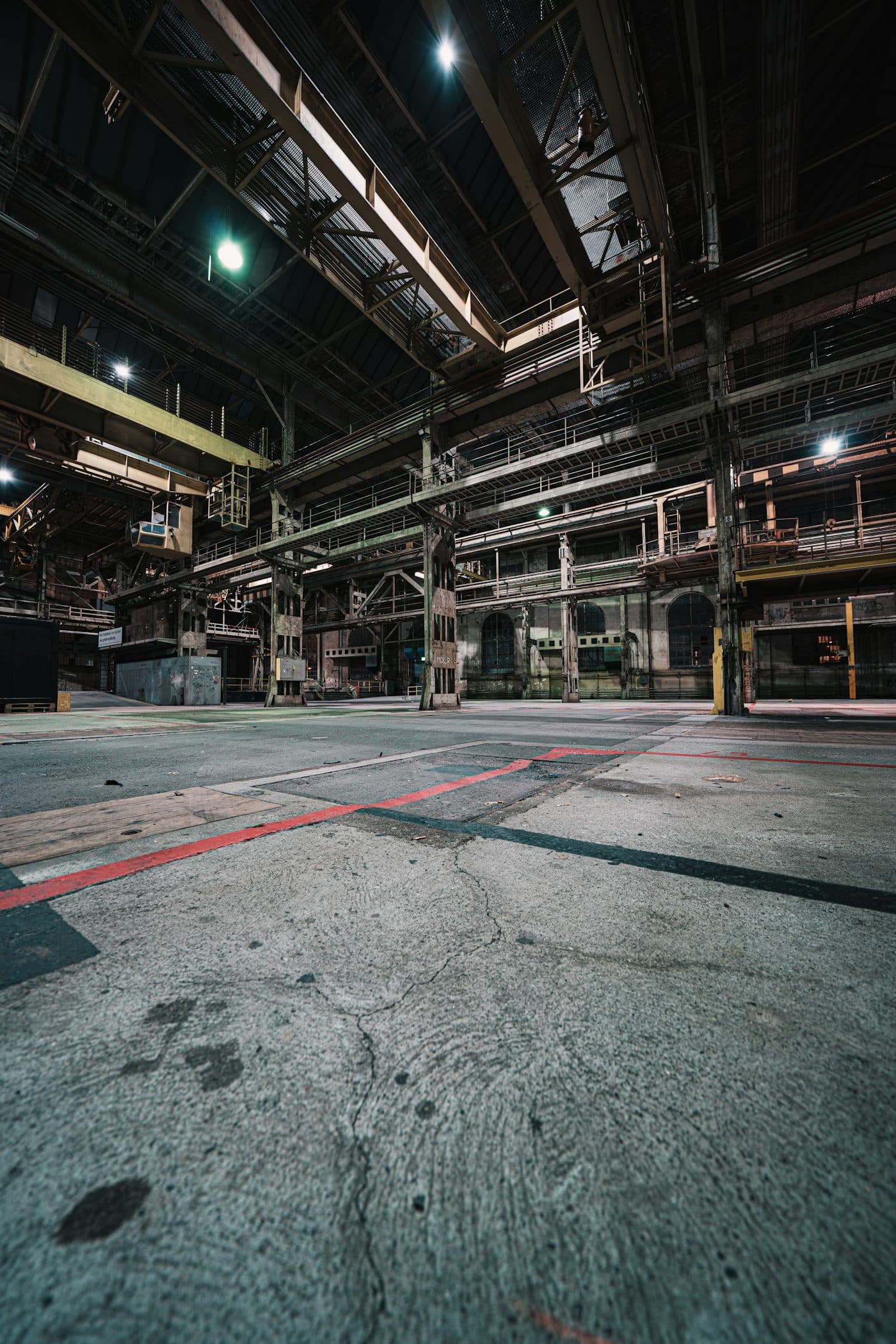
Commercial flatwork
Parking, dock aprons, and industrial floors built to the loads actually running on them.
Services Available Countywide
Residential and commercial concrete, available in every city listed above.
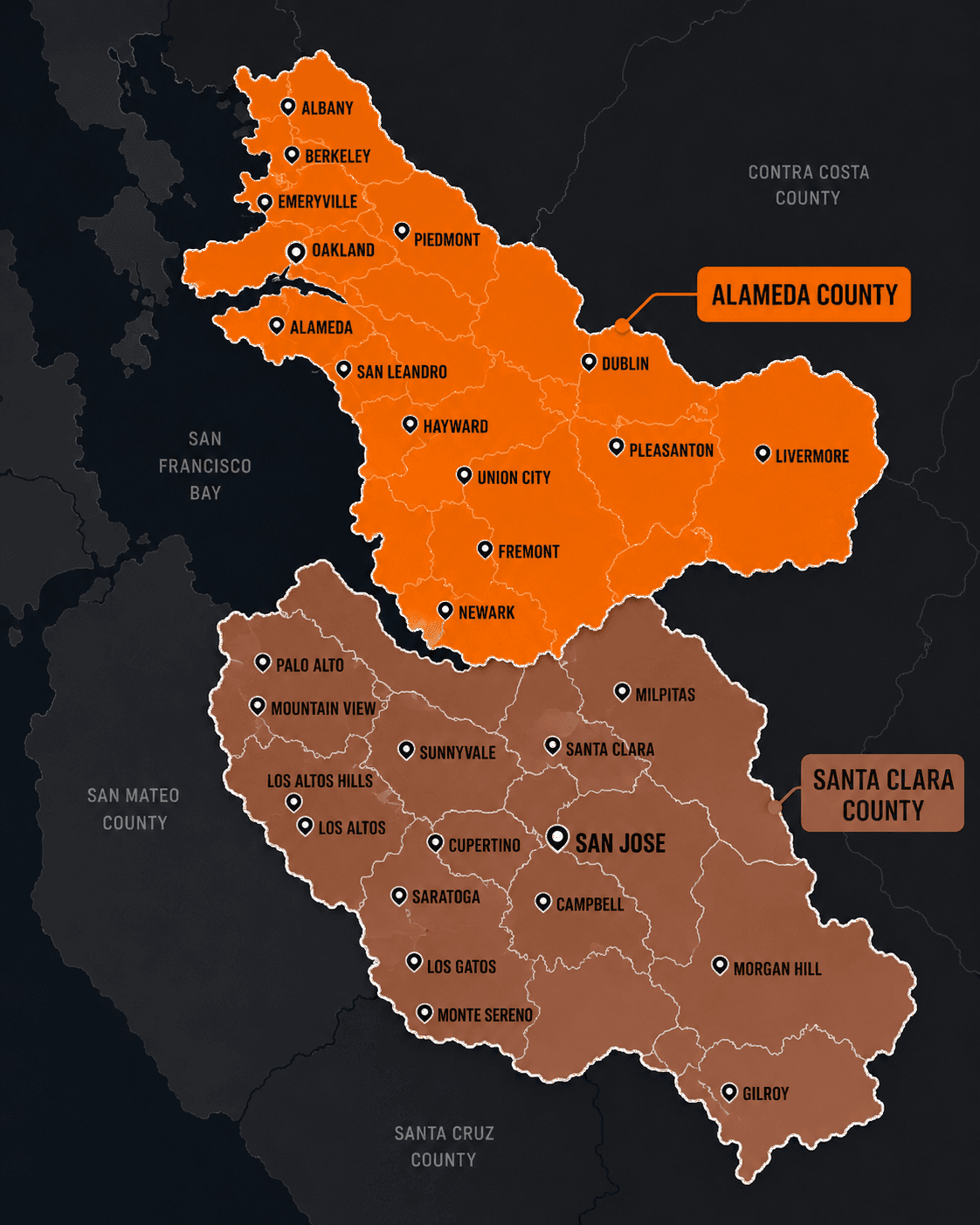
29 Cities Served
Santa Clara & Alameda counties
Service Area
The Full Coverage Map
Alameda County is one half of where we work. Between the two counties we cover twenty-nine cities across the South Bay, the East Bay, and the Tri-Valley.
Alameda County cities
Also serving Santa Clara County
Serving Every City in Alameda County
Find your city above for local detail, or request a free written estimate for your project directly.